



















































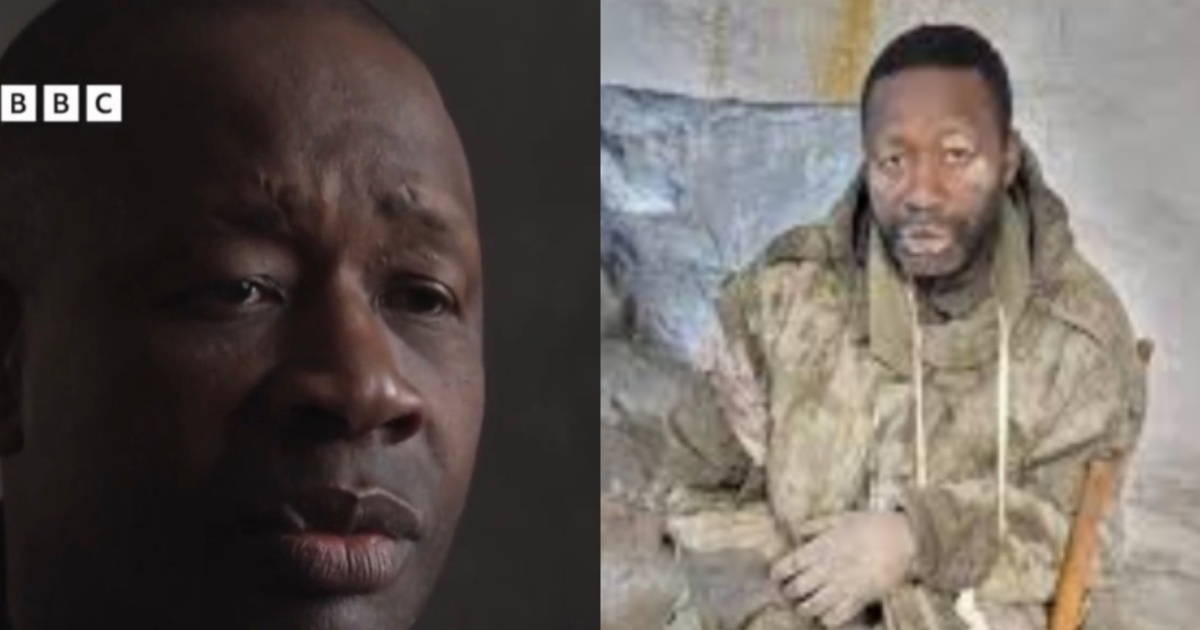
Freetown – A Sierra Leonean man captured while fighting for Russian forces in Ukraine has said that he would rather return to Russia than come back home if released.
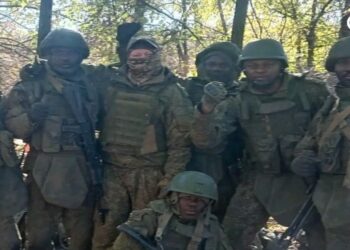
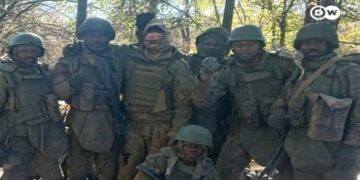
Richard Kanu, who was taken prisoner by Ukrainian forces, told the BBC he was tricked into joining the Russian military through a fake job scheme while struggling with economic hardship in Sierra Leone. He hoped the opportunity would help him support his teenage daughter, Elsie, in her dream of becoming a doctor.
“When I arrived in Rostov, I saw myself in a military camp, and they told me I have a military contract,” Kanu explained in the interview. Despite his ordeal on the frontline, he made a clear statement: “I’d 100% choose to go back to Russia.”
His daughter Elsie has backed her father’s position, saying returning to Sierra Leone would mean starting life from scratch amid ongoing difficulties.
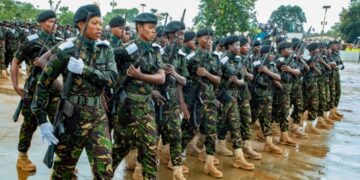
Kanu, a former soldier in the Sierra Leone military with over 10 years of service, is among hundreds of Africans drawn into the Russia-Ukraine conflict through deceptive promises of civilian jobs, high salaries, security work, or other opportunities. Many sign contracts in Russian without full understanding, only to find themselves on the battlefield.
Broader Pattern of Exploitation
This case is not isolated. Ukrainian authorities report that Russia has recruited nearly 3,000 African fighters, with more than 300 killed in combat. Fatality rates for African recruits appear high, often within months of deployment, with some estimates suggesting over 20% confirmed deaths among those listed.
Just weeks ago, the family of another young Sierra Leonean revealed he had been lured to Russia with promises of a security job, only to be conscripted and killed in Ukraine. Similar stories have emerged from countries including Ghana, Kenya, Nigeria, Cameroon, and South Africa, where vulnerable young men seeking better lives fall victim to scam recruiters and illegal agencies.
Critics accuse Russian networks of exploiting economic hardships across Africa. Recruiters often use online platforms and middlemen to promise construction work, factory jobs, or driver positions, then pressure or coerce individuals into military contracts upon arrival. Many receive minimal training before being sent to high-risk frontlines.
Warnings for Sierra Leoneans
Sierra Leoneans at home and abroad should remain vigilant against such schemes. Economic pressures push many to seek opportunities overseas, but authorities and families warn that not all offers are genuine. Several African governments have raised concerns and called for stronger action against deceptive recruitment.
Kanu’s story, while highlighting personal desperation and tough choices, underscores the dangers of these conflicts for ordinary Africans. As one of many caught in a war far from home, his experience serves as a cautionary tale about the human cost of exploitation.
For now, Kanu remains in a Ukrainian prisoner-of-war facility, like other African detainees, waiting amid uncertainty. His preference to return to Russia has sparked discussion about the harsh realities many face back home compared to the promises, however false, that led them abroad.