
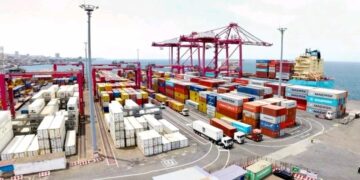

























































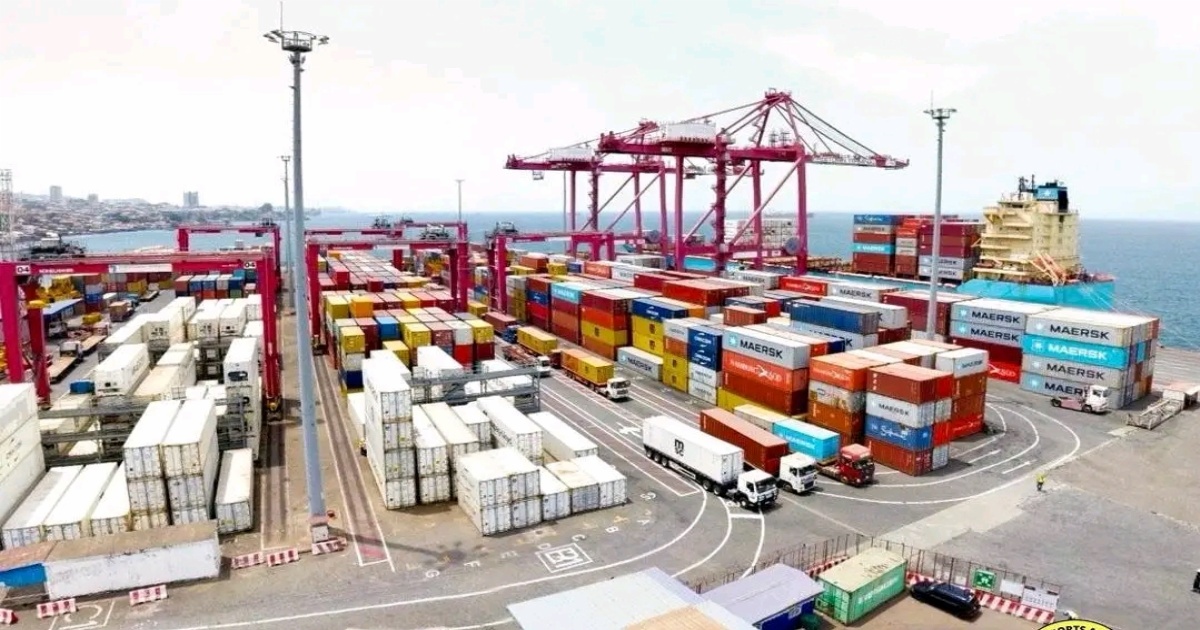
The Sierra Leone Ports and Harbours Authority (SLPHA) has moved to clear widespread confusion over port charges at Queen Elizabeth II Quay, explaining the differences between demurrage, detention and terminal storage fees during the latest edition of Ports Hour.
Speaking on the programme, SLPHA Senior Monitoring Officer Mr. Christopher F. Y. Fallah and Mr. Abass Savage broke down the often-mixed-up charges for importers, exporters and clearing agents.
They explained that demurrage is a daily fee charged by shipping lines when loaded containers stay inside the terminal beyond the agreed free period. Detention, on the other hand, applies outside the port and is charged when empty containers are not returned on time. Terminal storage is a separate fee paid directly to the terminal operator for using port space longer than allowed.
While SLPHA regulates and oversees maritime operations, the officials stressed that storage charges are calculated and applied by the terminal operator handling cargo at the quay.
Under the terminal’s three-tier storage system, importers enjoy a seven-day free period to clear and remove their goods. After that, a lower storage rate applies for the next 10 days. Beyond this window, cargo falls into the high storage charge category, with fees continuing to build up daily until the goods are cleared.
SLPHA warned that slow clearance of cargo is creating serious problems at the port. These include yard congestion, extra container handling, vessel delays, shortages of empty containers needed by exporters, and heavier traffic on access roads around the quay.
The Authority said the storage system is deliberately designed to discourage cargo sitting idle and to keep operations efficient. It reaffirmed its commitment to fair application of tariffs, close monitoring of terminal activities, and smoother cargo clearance processes.
Importers, exporters and clearing agents have been urged to complete all documentation and remove their cargo within the seven-day free period. Doing so, SLPHA said, will help them avoid extra costs and support better-functioning port operations for everyone.