












































Freetown, Sierra Leone – May 17, 2026
The Government of Sierra Leone has activated Alert Level 2 (Heightened Readiness) at the Public Health Emergency Operations Centre (PHEOC) following the confirmation of a new Ebola virus disease outbreak in Ituri Province, Democratic Republic of Congo (DRC).
In an official advisory issued today by the National Public Health Agency (NPHA), authorities confirmed that Sierra Leone remains completely Ebola-free, with no suspected, probable, or confirmed cases in the country. However, in response to the developing situation in the DRC, the government has moved swiftly to strengthen its defences.
Regional Outbreak Details
The current outbreak in Ituri Province involves the Bundibugyo strain of Ebola. As of May 17, 2026, DRC health authorities have reported 246 suspected cases and 65 deaths. Uganda has recorded one imported death from the virus, though no local transmission has been confirmed there. Regional health officials have described the risk of further spread as elevated.
While Sierra Leone’s current risk remains low, officials are drawing on the country’s painful experience during the 2014–2016 Ebola epidemic to justify immediate proactive measures.
Government Response
The activation of Alert Level 2 includes the following key actions:
– Convening of the National Emergency Health Committee.
– Enhanced screening and surveillance at Lungi International Airport, Freetown Harbour, and key land borders (Gbalamuya and Kailahun).
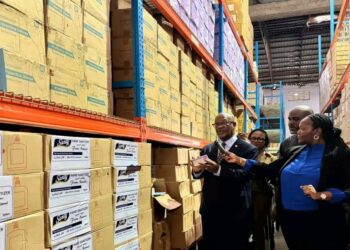
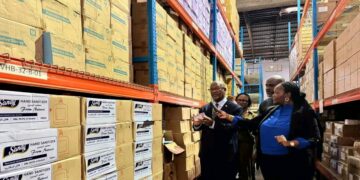
– Pre-positioning of Personal Protective Equipment (PPE), isolation materials, and rapid diagnostic kits in the Western Area and border districts.
– Placement of Rapid Response Teams on standby in all 16 districts of the country.
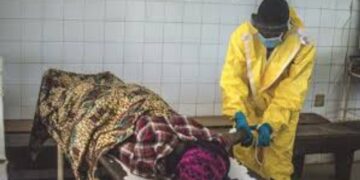
– Reinforcement of Infection Prevention and Control (IPC) protocols at health facilities.
– Strengthened coordination with the Africa CDC, ECOWAS, WHO, and neighbouring countries.
Public Advisory
The NPHA is urging the public to remain calm but vigilant. Citizens are advised to:
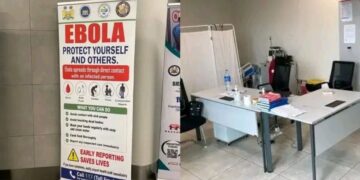
– Immediately call 117 if they or anyone around them develop sudden fever, severe headache, vomiting, diarrhoea, rash, or unexplained bleeding, especially after travel from DRC or Uganda.
– Avoid unnecessary travel to affected areas.
– Refrain from handling blood or bodily fluids of persons suffering from unexplained haemorrhagic illness.
– Maintain regular hand hygiene with soap and water or alcohol-based sanitiser.
– Source information only from official government channels: NPHA, Ministry of Health, and SLBC.
Health workers have been instructed to maintain a high index of suspicion for haemorrhagic fevers in patients with relevant travel history and to immediately report suspected cases.
This latest activation of Alert Level 2 demonstrates Sierra Leone’s commitment to early preparedness and rapid response to prevent any potential importation of the virus. Updates will continue to be provided through official channels as the situation evolves.