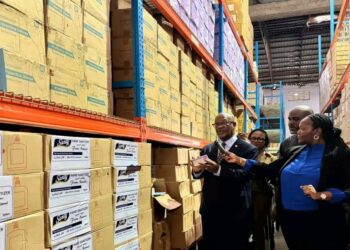















































Freetown, Sierra Leone — Sierra Leone’s progress in combating HIV/AIDS is under increasing strain as global supply chain challenges jeopardize the consistent availability of critical medical supplies, officials have warned.
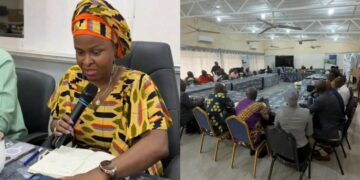
Director General of the National HIV/AIDS Secretariat (NAS), Abdul Rahman Sesay, disclosed that an estimated 81,000 people are now living with HIV in the country. While the nation has made notable strides in testing, treatment access, and viral load suppression, shortages of antiretroviral drugs (ARVs) and HIV testing kits pose a serious threat to sustaining these gains.
According to Sesay, 86% of people living with HIV are aware of their status, 87% of those diagnosed are receiving treatment, and 63% have achieved viral suppression. These figures reflect advancement toward the UNAIDS 95-95-95 targets, though the country still falls short, particularly on viral suppression.
“We have stock outs and all this has to do with the supply chain issues due to some of the challenges globally,” Sesay stated, highlighting vulnerabilities in procurement and logistics that are affecting commodity availability nationwide.
Broader Context and Challenges
Sierra Leone’s adult HIV prevalence stands at approximately 1.5–1.7% (ages 15–49), with higher rates among women (around 2.2%) than men (1.1%), and elevated prevalence in urban areas and certain districts like the Western Region. The epidemic is characterized as mixed, generalized, and heterogeneous, with concentrated impacts among key populations.
The country has achieved significant milestones in recent years, including a reported 73% drop in HIV/AIDS-related deaths and a 43% reduction in mother-to-child transmission between 2022 and 2025. Over 80,000 Sierra Leoneans are said to be on free HIV treatment, supported by government efforts and international partners like PEPFAR and the Global Fund.
However, persistent challenges remain. These include fragile health system infrastructure, still recovering from the 2014–2015 Ebola outbreak and the COVID-19 pandemic, limited viral load testing capacity, commodity forecasting issues, stockouts of ARVs and opportunistic infection drugs, stigma (particularly affecting key populations), and heavy reliance on donor funding.
Recent global disruptions, including shifts in major international supply mechanisms for HIV, TB, and malaria commodities, have amplified these risks. Uncertainties around procurement transitions have raised alarms about potential interruptions in lifesaving ARV deliveries.
Implications and Outlook
Health experts and advocates warn that any prolonged shortages could lead to treatment interruptions, increased drug resistance, higher transmission rates, and reversals in hard-won gains toward epidemic control. The National Strategic Plan on HIV/AIDS (2021–2025) emphasizes strengthening supply chain management, pharmacovigilance, and integration of HIV services into broader health systems as key priorities.
Officials are urging enhanced domestic resource mobilization, improved local forecasting and logistics, and stronger partnerships to build resilience against global shocks. As Sierra Leone works toward ending AIDS as a public health threat by 2030, maintaining uninterrupted access to ARVs and diagnostics will be critical.
The NAS continues to monitor the situation closely while calling for sustained support from development partners to safeguard treatment continuity for the tens of thousands of Sierra Leoneans who rely on these lifesaving interventions.