
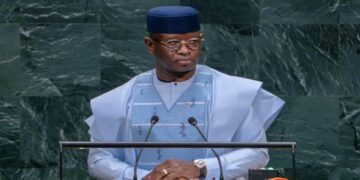








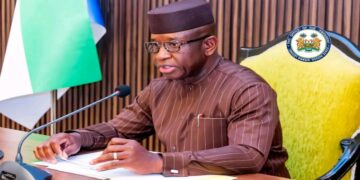
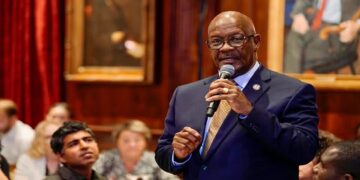


















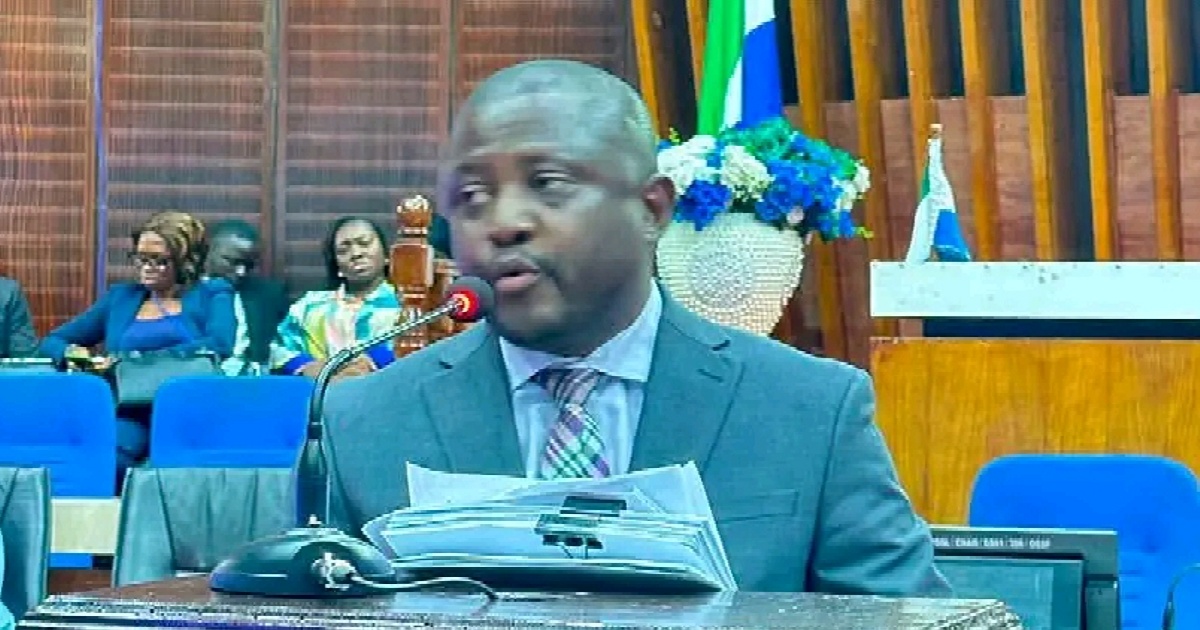
Freetown, July 29, 2026 — Attorney General and Minister of Justice Alpha Sesay Esq. has described the Constitution of Sierra Leone (Amendment) Bill, 2025 as a landmark opportunity to embed gender equality in the country’s supreme law and permanently strengthen women’s political participation.
Delivering a Ministerial Statement in Parliament on Tuesday, Sesay updated lawmakers and the public on nationwide consultations held since the Bill’s first hearing.
He identified constitutional protection of women’s representation as one of its most transformative elements.
The proposed legislation would make a minimum 30 percent quota for women in political nominations at both national and local levels a binding constitutional requirement rather than a policy aspiration.
“It constitutionally mandates a minimum 30% women’s quota in political nominations at both national and local levels. This will no longer be an aspiration but a fundamental constitutional requirement,” Sesay said.
He stressed that the reforms provide lasting safeguards for women’s political representation.
“This reform process is therefore a conversation about our shared future. It is a blueprint designed to ensure that 52% of our population, our women, are no longer just silent observers of growth but the primary drivers of such growth.”
Sesay paid tribute to Deputy Minister of Justice Saptieu Elizabeth Saccoh for her advocacy of a gender-responsive constitution.
He also reaffirmed the government’s commitment to incorporating all 16 recommendations in the Women’s Manifesto prepared by a consortium of Sierra Leonean women’s organisations.
“I make bold to commit before this Honourable House and to our nation that we will not fail our women,” he declared.
The Attorney General linked electoral reform directly to gender equality, arguing that the 1991 Constitution’s winner-takes-all framework has long hindered women’s participation in governance. Introducing proportional representation alongside constitutionally guaranteed quotas, he said, would foster a more inclusive system based on competence, diversity and equal opportunity.
“We are not fixing an election law. We are re-engineering the journey of Sierra Leone’s governance to ensure that women are no longer guests in the rooms of power, but the rightful owners of them.”
Greater women’s representation in decision-making, he added, would advance national development through progress on equal pay, maternity protection and social welfare.
“When we strengthen the integrity of our elections through this Act, we are directly strengthening the voice of Sierra Leonean women.”
Sesay concluded that the Bill is not merely electoral reform but the foundation for a more inclusive democracy in which women are constitutionally assured a meaningful role in shaping the nation’s future.