







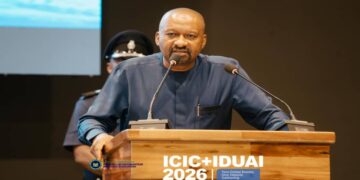























































Freetown, Sierra Leone – June 30, 2026 — The Council of Legal Education has moved swiftly to ensure continuity at the Sierra Leone Law School by appointing Hon. Justice Fatmata Bintu Alhadi, JSC, as Acting Director following the formal end of the previous Director’s tenure today.
According to a public notice issued on Tuesday, the Council accepted the resignation of Dr. Abu Bakarr Bangura, whose notice period expired on June 30, 2026. Dr. Bangura had tendered his resignation earlier this year amid reports of investigations by the Anti-Corruption Commission (ACC) into alleged misconduct.
The Council, chaired by the Chief Justice, approved the appointments during a meeting held on the same day. Justice Alhadi, a distinguished jurist with extensive experience on the bench, will now lead the institution in an acting capacity. She has served as a Justice of the Supreme Court of Sierra Leone since May 2025, following her elevation by President Julius Maada Bio. Prior to that, she was a Justice of the Court of Appeal (2020–2025) and a High Court Judge (2015–2020). Notably, Justice Alhadi has lectured at the Sierra Leone Law School since 2018 on various subjects, giving her deep familiarity with the institution’s academic programs.
Emmanuel Sahr Tondoneh Esq., the current Ombudsman of the Republic of Sierra Leone (appointed by President Bio in 2025), has been named Assistant to support the administration during this transitional period. Tondoneh brings significant legal and administrative expertise to the role.
The Sierra Leone Law School, established in 1989 under the Council of Legal Education Act, is the country’s primary institution for professional legal training. It prepares law graduates for the Bar examinations and plays a critical role in producing competent legal practitioners who uphold ethical standards and contribute to the rule of law.
In its notice, the Council emphasized that the recruitment process for a substantive Director will be advertised in due course, underscoring a commitment to transparency and merit-based selection for long-term leadership stability.
These interim appointments come at a time when the institution seeks to maintain uninterrupted operations and academic excellence amid the leadership change.