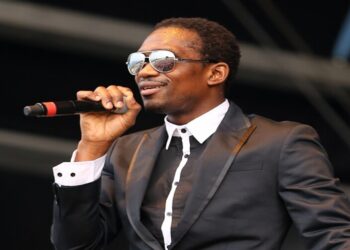

































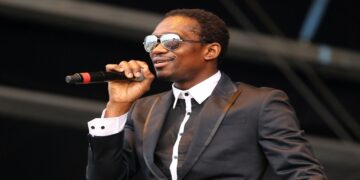



















Freetown, Sierra Leone — In a strongly worded social media statement, Ismail Bah, brother of popular Sierra Leonean rapper Alhaji Amadu Bankareya Bah widely known as King Boss LA has pushed back against mounting criticism following the release of a teaser for the artist’s new song “Menu.”
The track, which has ignited heated debate across Sierra Leonean social media, sees Boss LA resuming his role as a vocal critic of the government under President Julius Maada Bio.
In the snippet, the rapper uses the metaphor of a “menu” to lament how national resources appear to benefit only a select few, rapping lines such as “The country don turn menu nah dem nomo dey eat” while critiquing ministers and urging citizens to register and vote.
Brother’s Robust Defense
Ismail Bah, who says he helped raise the artist, described his younger brother as one of the calmest and most equitable individuals, treating people of all ages, genders, and backgrounds equally. He highlighted Boss LA’s reputation for generosity, claiming the rapper has often gone without to assist those in need.
“LA will starve himself and family just to render help to the needy,” Ismail wrote. He argued that past accusations against the artist often stem from him helping close associates or standing up for what he believes is right.
Industry Pioneer and National Icon
Boss LA is credited by supporters with transforming Sierra Leone’s music scene by introducing a distinctive style and mindset that elevated local sounds internationally. Many fans view him as the most popular entertainer in the country, with a fanbase spanning every tribe, district, and region — reportedly present in nearly every household.
Ismail went further, asserting that Boss LA ranks as one of the most recognized figures in Sierra Leone, second only to the President in terms of widespread popularity, surpassing many politicians and fellow artists.
Addressing Rumors and Rivalries
The statement directly tackles rumors of deportation and visa difficulties, dismissing them as baseless. Ismail emphasized that the artist’s fame serves as its own “security deposit” for international travel, noting multiple confirmed bookings for shows across Europe, Australia, and Canada from reputable promoters.
He accused politicians and some entertainers of ganging up against his brother out of fear of his influence. “It kinda funny how you politicians and entertainers ganging up to suppress and bring him down,” Ismail wrote, criticizing artists who rely on politicians for visa guarantees or performance opportunities rather than independent tours.
Recent Controversies Fuel the Fire
The release of “Menu” comes at a sensitive time for Boss LA. Earlier in 2026, he was removed from his role as a Peace Ambassador following a legal dispute involving alleged derogatory remarks toward Kenema’s mayor. He spent over a month in detention before the charges were discharged after an apology.
While he initially expressed gratitude to the President post-release, the new song marks a return to his “voice of the voiceless” persona, drawing both praise for boldness and criticism over timing.
The full track has not yet been released, but the teaser alone has dominated conversations, with supporters hailing it as a necessary critique of governance and detractors questioning motives.
Ismail concluded his message with a rallying call: “We the people of Salone love you LA.”
Boss LA’s blend of music, social commentary, and political engagement continues to make him one of Sierra Leone’s most polarizing yet influential cultural figures. The unfolding reaction to “Menu” underscores ongoing tensions between artists, government, and public sentiment in the country.