
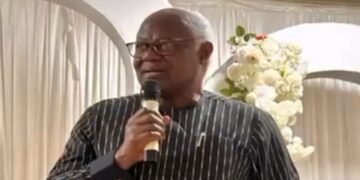



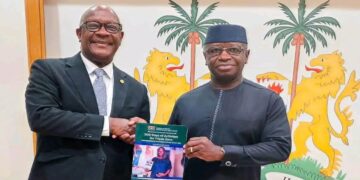













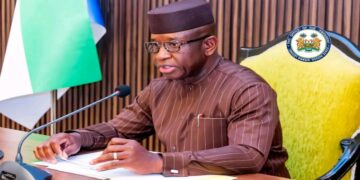
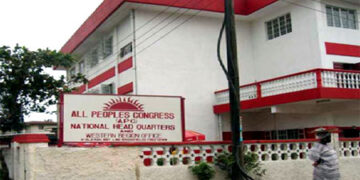

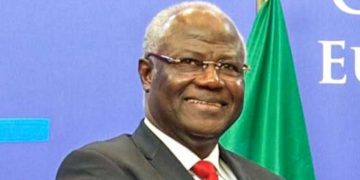

























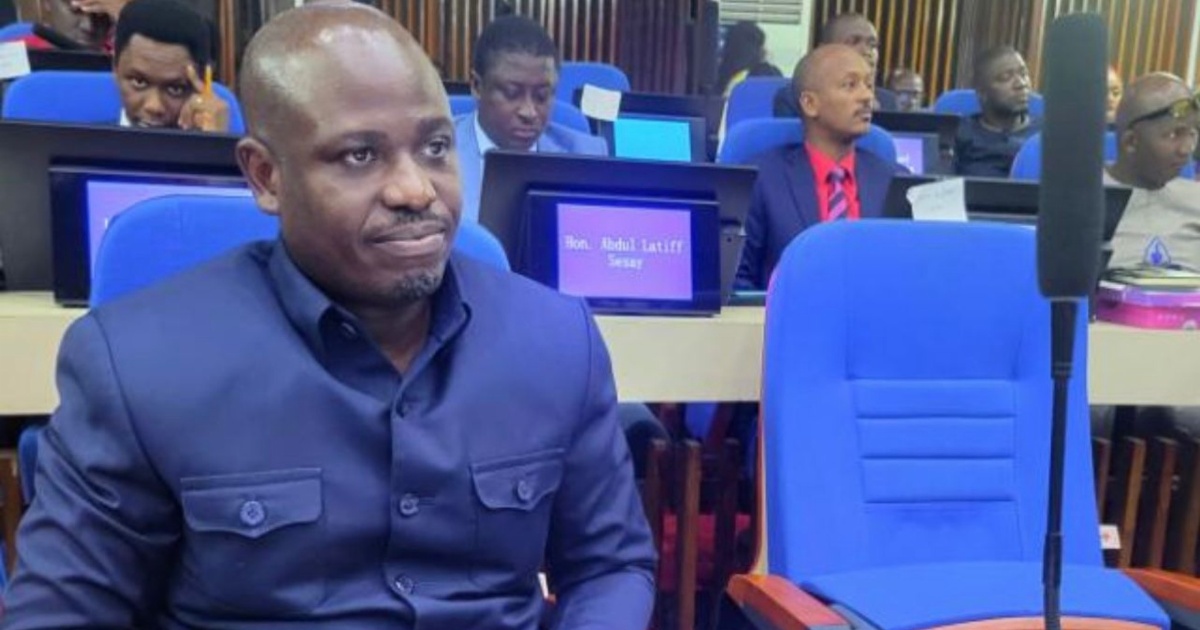
Freetown, Sierra Leone – The Leader of the Opposition in Sierra Leone’s Parliament, Hon. Abdul Kargbo of the All People’s Congress (APC), has raised alarm over reports that the European Parliament is discussing possible sanctions and the suspension of development assistance to the country.
The discussions stem from growing international concerns about Sierra Leone’s role as a transit hub for drug trafficking and its alleged reluctance to extradite high-profile fugitives linked to transnational organized crime.
In a recent Facebook post and earlier open letter to President Julius Maada Bio dated May 10, 2026, Kargbo described the developments as a “serious warning” to all patriotic Sierra Leoneans.
He warned that the country risks being perceived as a safe haven for drug traffickers, particularly if individuals connected to powerful networks appear to receive protection.
“The European Parliament is now openly discussing sanctions and the possible suspension of development assistance to Sierra Leone over growing concerns about drug trafficking and the refusal to extradite individuals linked to transnational organised crime,” Kargbo stated. “This is a serious warning… Our country cannot afford to gain an international reputation as a safe haven for drug traffickers.”
He highlighted potential severe repercussions, including damage to the economy, foreign relations, investor confidence, and national security.
Kargbo urged the government to mount a “credible, impartial, and non-political” fight against drug trafficking to preserve Sierra Leone’s international standing.
Background and Key Cases Fueling Concerns
The opposition leader’s warnings follow repeated international reports linking Sierra Leone to large-scale cocaine trafficking. Notable incidents include the interception by Spanish authorities of the vessel MV Arconian, which allegedly departed from Freetown carrying over 30 tonnes of cocaine destined for Libya.
A focal point is the case of Dutch drug kingpin Jos Leijdekkers, also known as “Bolle Jos,” one of Europe’s most wanted fugitives. Leijdekkers, sentenced in absentia in the Netherlands, is believed to be sheltering in Sierra Leone. Despite extradition requests from Dutch authorities (submitted in early 2025), progress has been limited, partly due to the absence of a formal bilateral extradition treaty, though Sierra Leone has cooperated in past cases.
Members of the European Parliament have urged the European Commission to consider suspending funding under the NDICI–Global Europe instrument and to accelerate a horizontal sanctions regime targeting transnational organized crime.
Sierra Leone receives significant EU development aid, making any suspension a major concern for the nation’s economy and governance programs.
Broader Context of Drug Trafficking in Sierra Leone
West Africa, including Sierra Leone, has long served as a transshipment point for cocaine from South America and synthetic drugs from Asia heading to Europe. Reports from the UN Office on Drugs and Crime (UNODC) and other bodies document the country’s ports, territorial waters, and borders being exploited by criminal networks. Domestically, this has fueled a rise in drug abuse, particularly synthetic substances like “Kush,” exacerbating social and security challenges.
Opposition figures and analysts argue that the government’s perceived hesitation risks turning Sierra Leone into a “narco-transit state,” undermining years of post-civil war recovery and international partnerships. The government has previously acknowledged ongoing cooperation with international partners on extradition and anti-trafficking efforts, but critics say more transparent and decisive action is needed.
As discussions in the European Parliament continue, Kargbo’s intervention underscores a bipartisan call for accountability. Sierra Leone’s response in the coming weeks could significantly shape its reputation, aid flows, and security landscape in the region.