




























































Freetown, Sierra Leone – In a significant procedural victory for opposition figure and entertainer Yeabu Zainab Sheriff, the High Court has rejected the State’s application to dismiss her appeal against a four-year prison sentence, clearing the path for a full merits hearing on July 2, 2026.
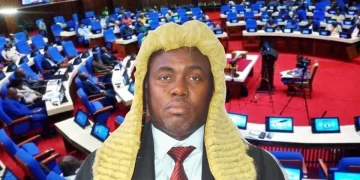
Honourable Justice Mark Ngegba delivered the ruling on Thursday, June 18, 2026, stressing that the issues raised in the appeal deserved careful judicial scrutiny.
“The appellant has come to this court citing issues of considerable dissatisfaction with the judgment of the magistrate, which I cannot in good conscience ignore,” the judge reportedly stated, underscoring the court’s responsibility to thoroughly examine the appellant’s concerns.
Sheriff, a well-known musician, reality television personality, politician, and chairperson of the Wi Duti Movement, was convicted on April 14, 2026, by Principal Magistrate Mustapha Brima Jah at Magistrate Court No. 1 on Pademba Road. She received a four-year sentence for incitement and two months for using threatening language under the Public Order Act of 1965, with the terms running concurrently.
The charges stemmed from remarks Sheriff allegedly made during an All People’s Congress (APC) political rally on January 31, 2026. Prosecutors claimed her statements encouraged violence against those who might rig elections and included threatening language directed toward President Julius Maada Bio. Sheriff has maintained that her comments were political expressions aimed at deterring electoral malpractice rather than inciting harm.
Her defense team, led by lawyer Roland Wright, filed a comprehensive appeal with 19 grounds, challenging the magistrate’s findings, the jurisdiction of the lower court, the clarity of the charges, procedural fairness, and the severity of the sentence for a first-time offender.
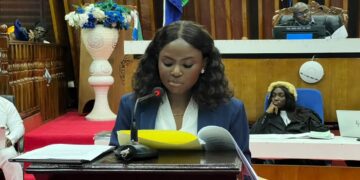
During the preliminary High Court proceedings, the prosecution, represented by Mr. I. Thorlie from the Law Officers’ Department, argued for dismissal, citing alleged defects in the appeal documents under older court rules. The defense vigorously opposed the move, insisting that substantive legal and factual issues warranted full appellate review. Justice Ngegba ultimately sided with allowing the case to proceed.
Legal observers and civil society groups have welcomed the decision as an important affirmation of the right to appeal, particularly in a case that has sparked broader debates about freedom of speech, the application of the Public Order Act, and judicial independence in Sierra Leone. Organizations like AdvocAid have previously criticized the original sentencing and highlighted concerns over prolonged pre-trial detention, as Sheriff was held for weeks with bail repeatedly denied.
The upcoming July 2 hearing will examine the substance of the appeal, including the circumstances of the conviction and the magistrate’s judgment. The outcome could have wider implications for how laws on incitement and threatening language are interpreted in the context of political expression.
Sheriff remains in custody pending the appeal’s resolution. The case continues to draw significant public and media attention, with many viewing it as a key test of democratic space and rule of law in the country.