











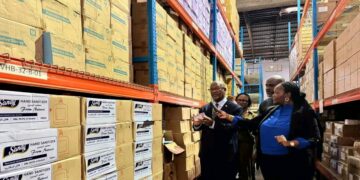
















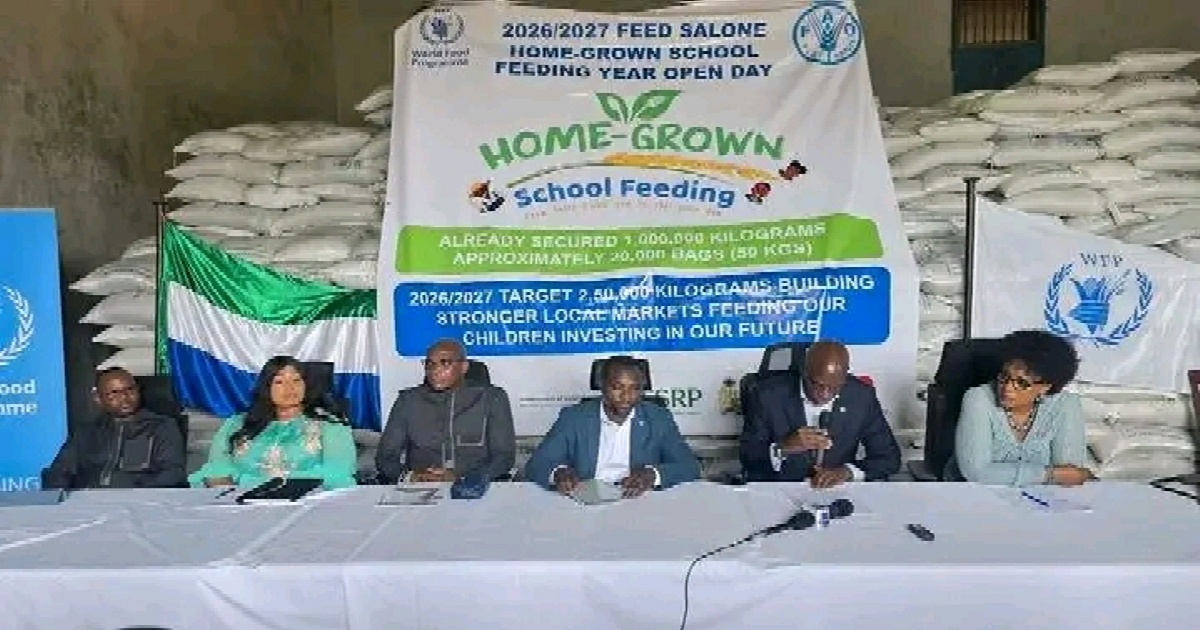
Freetown, August 2026 – The Government of Sierra Leone, in partnership with the World Food Programme (WFP), has officially launched the 2026/27 Feed Salone Home-Grown School Feeding Year, with 1,000 metric tonnes of locally produced rice already procured to feed schoolchildren and boost the domestic agricultural sector.
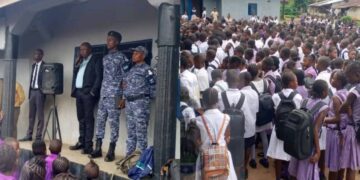
The launch ceremony took place in Kissy, eastern Freetown, underscoring the Government’s determination to ensure that pupils across the country receive nutritious meals made from food grown and bought right here in Sierra Leone.
The 1,000 metric tonnes of rice – equivalent to 20,000 bags of 50 kilogrammes each – represents a major market opportunity for local rice farmers and other players in the agricultural value chain.
The Home-Grown School Feeding Programme directly links school meals to local farming. It gives farmers a reliable institutional buyer while guaranteeing that children get the nutritious food they need for good health, concentration and better performance in class.
The initiative is firmly rooted in the Government’s Feed Salone agenda, which seeks to make agriculture more productive and commercially viable, increase domestic food production, cut dependence on imports, create jobs and strengthen national food security.
By choosing locally grown rice for school feeding, the programme is expected to stimulate domestic markets, encourage more investment in local food production and open bigger opportunities for smallholder farmers to sell their produce. This, in turn, can raise household incomes and improve livelihoods in rural communities.
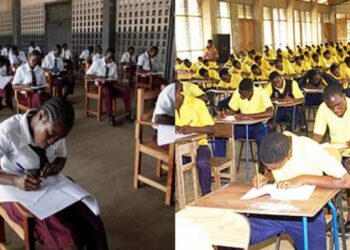
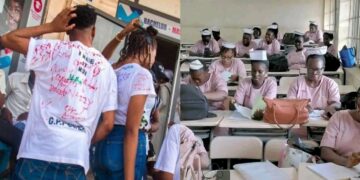
For thousands of schoolchildren, especially those from vulnerable homes, the programme means more than just a daily meal. Regular access to nutritious food can improve attendance, help children concentrate better and increase their participation in class.
The partnership between the Government and WFP therefore advances two critical national priorities at once – better child nutrition and stronger investment in Sierra Leone’s agricultural economy.
Officials note that the procurement of local rice will also generate economic activity further along the value chain, benefiting aggregators, transporters, processors, traders and other businesses that move food from farms to schools.
As Sierra Leone works towards greater food self-sufficiency, the Home-Grown School Feeding Programme is emerging as a practical way of connecting agricultural production with social development.
The 2026/27 edition is expected to reinforce the Government’s goal of building a food system in which Sierra Leonean farmers produce more of what the nation consumes, while public programmes such as school feeding create steady demand for local produce.
Government and its development partners are expected to continue working with farmers and other stakeholders to strengthen supply chains, improve the quality and availability of locally produced food, and ensure that the benefits of the programme reach communities nationwide.
The Kissy launch signals a renewed commitment to using school feeding not only to improve child nutrition and educational outcomes, but also as a catalyst for agricultural transformation, local economic growth and the full realisation of the Feed Salone vision.