































Freetown, Sierra Leone – January 12, 2026 – The Government of Sierra Leone has announced the establishment of the country’s first National Remembrance Day, to be observed on Sunday, January 18, 2026.
This significant occasion marks a dedicated moment for the nation to honor the victims and survivors of the brutal civil war (1991–2002), reflect on the profound costs of conflict, and renew its collective commitment to peace, unity, and democratic coexistence.
The announcement, issued by the Ministry of Information and Civic Education, emphasizes that National Remembrance Day is not a public holiday. Government offices, schools, markets, and businesses will remain open as usual, allowing citizens to participate in remembrance activities while continuing their daily routines.
The date of January 18 holds deep historical resonance, coinciding with the day in 2002 when then-President Ahmad Tejan Kabbah officially declared the end of the civil war, a conflict that claimed tens of thousands of lives and left lasting scars on the nation.
Nationwide Observance and Key Activities
The government has outlined a series of meaningful ways for the day to be observed across the country:
1. Presidential Address and Civic Call to Action
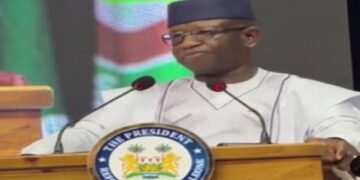
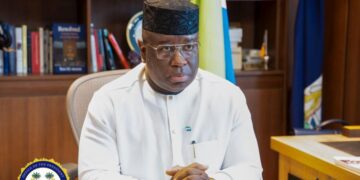
His Excellency the President will deliver a national address to inaugurate the day, pay tribute to victims and survivors, and reaffirm the nation’s dedication to unity and peace. A two-minute traffic stop will accompany this civic moment.
2. National Moment of Silence
At exactly 12:00 noon, the entire country will pause for two minutes of silence. This will be observed in schools, workplaces, markets (where feasible), places of worship, public gatherings, and broadcast live on radio and television nationwide.
Here are some symbolic representations of peace and remembrance that citizens are encouraged to embrace:
These white ribbons serve as powerful symbols of hope, healing, and solidarity.
3. Wearing of White Ribbon or White Cloth
From January 14 to 21, all citizens—students, public servants, private sector workers, religious groups, and communities—are encouraged to wear a white ribbon or piece of white cloth as the official emblem of remembrance, peace, and national cohesion.
4. Memorials and Walls of Remembrance
Communities, schools, and public spaces are urged to create Walls of Remembrance featuring victims’ names, reflective messages, and pledges for peace. Activities may include candle-lighting, flower-laying, kola nut sacrifices, and other cultural practices.
5. Community, Inter-faith, and Media Activities
Community leaders are encouraged to hold discussions, particularly with youth, while mosques and churches may host special prayers. Media outlets are invited to broadcast remembrance songs, civil war documentaries, and peacebuilding content.
Call to Every Citizen
The government is urging all Sierra Leoneans to:
– Observe the two-minute silence at noon
– Wear white ribbons or cloth from January 14–21
– Avoid hate speech, political provocation, and divisive behavior
– Participate respectfully in community and religious events
– Use the day for personal and collective reflection on the war and a renewed commitment to peaceful coexistence
The message is clear: “Never again.” Peace is not guaranteed—it is built and protected through the daily choices of citizens. The government calls on all Sierra Leoneans, at home and in the diaspora, to mark the day with dignity, responsibility, and unity.

Official hashtags for sharing:
#SaloneDaeMemba #SaloneRemembers #WiNorForget #SaloneBigPassWiAllu
This inaugural National Remembrance Day represents a vital step in the nation’s ongoing journey of healing and reconciliation, ensuring the lessons of the past guide a more peaceful future.