


















































Freetown, Sierra Leone – The latest Salone Development Scorecard released by the Institute for Governance Reform (IGR) underscores persistent and serious challenges in protecting women and children from physical and sexual violence, even as the country makes notable strides in boosting women’s participation in governance.
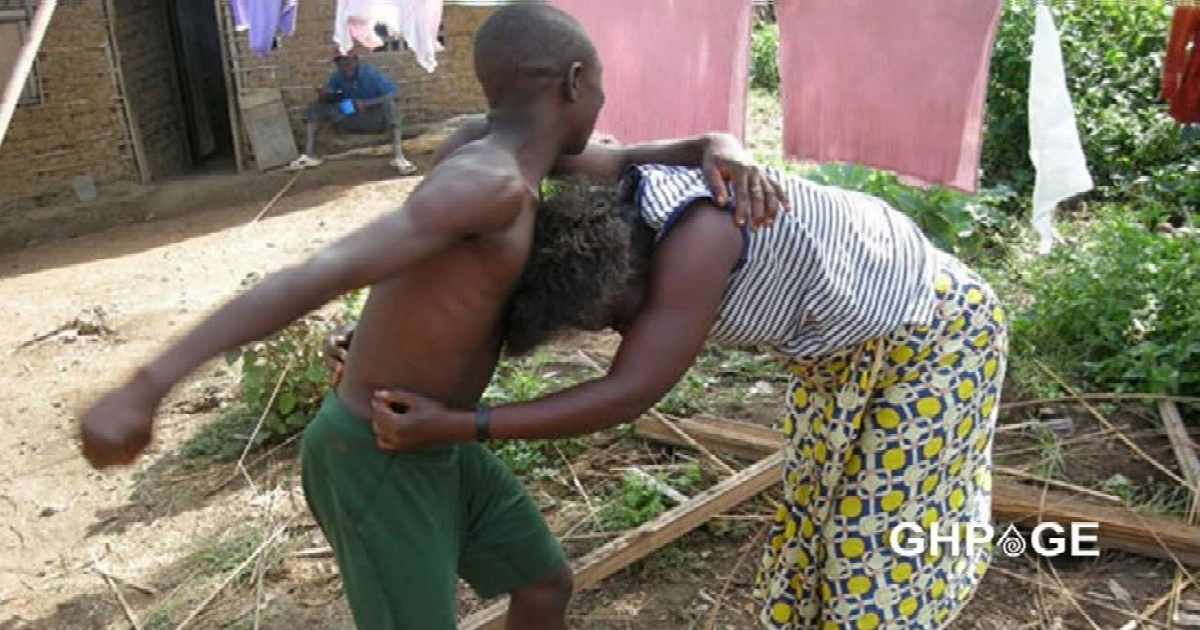
According to the report, Rainbo Centres – specialized facilities providing medical, psychosocial, and support services to survivors of sexual and gender-based violence (SGBV), documented 3,053 cases of physical and sexual assault in 2025. This marks a roughly 10% increase from 2,771 cases in 2024. Children aged 11–15 were among the most affected groups.
Separately, the Sierra Leone Police recorded 15,188 cases involving women and children, accounting for 45% of all reported crimes nationwide. These figures highlight the scale of the issue in a country still recovering from the long-term impacts of civil war, poverty, and social vulnerabilities.
The scorecard also points to a worrying rise in adolescent pregnancy. 22% of girls aged 15–19 became pregnant in the period under review, up from 17.2% in 2024.
Sierra Leone has long had one of the highest adolescent fertility rates in the world, with broader historical data showing that around 28% of girls in this age group had begun childbearing in earlier surveys. Such pregnancies are linked to higher risks of maternal mortality, school dropouts, and cycles of poverty, particularly in rural areas where access to education and family planning remains limited.
Progress in Women’s Political Empowerment
Despite these concerns, the IGR report acknowledges meaningful progress in women’s representation in leadership. Women now hold approximately 30% of parliamentary seats, a significant jump from around 12-14% in previous years, largely attributed to the Gender Equality and Women’s Empowerment Act, which introduced a 30% quota for women in parliament, cabinet, and other institutions following the 2023 elections.
Additionally, women occupy 33% of cabinet positions and 41% of deputy ministerial roles. These gains reflect broader efforts under initiatives like the Spotlight Initiative and national strategies to advance gender equality, though experts note that deeper cultural and institutional changes are still needed for full impact.
Call for Stronger Action
The IGR emphasized that while political representation is improving, far more concerted action is required to tackle gender-based violence, reduce adolescent pregnancies, and improve overall outcomes for women and girls. Recommendations include strengthening enforcement of laws, expanding access to support services like those provided by Rainbo Centres (which operate in multiple districts with helplines and data dashboards for real-time tracking), enhancing education and economic opportunities, and addressing root causes such as child marriage and limited contraceptive access.
The Salone Development Scorecard, launched in late May 2026, aims to provide real-time tracking of government performance across key development indicators to promote accountability and informed policymaking.
Civil society organizations, international partners like the UN and EU, and government ministries continue to collaborate on these issues, but the latest data serves as a stark reminder that significant work remains to ensure safety and equality for Sierra Leone’s women and children.