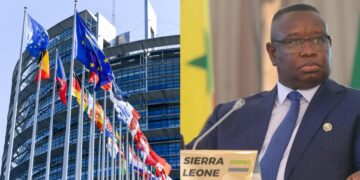
















































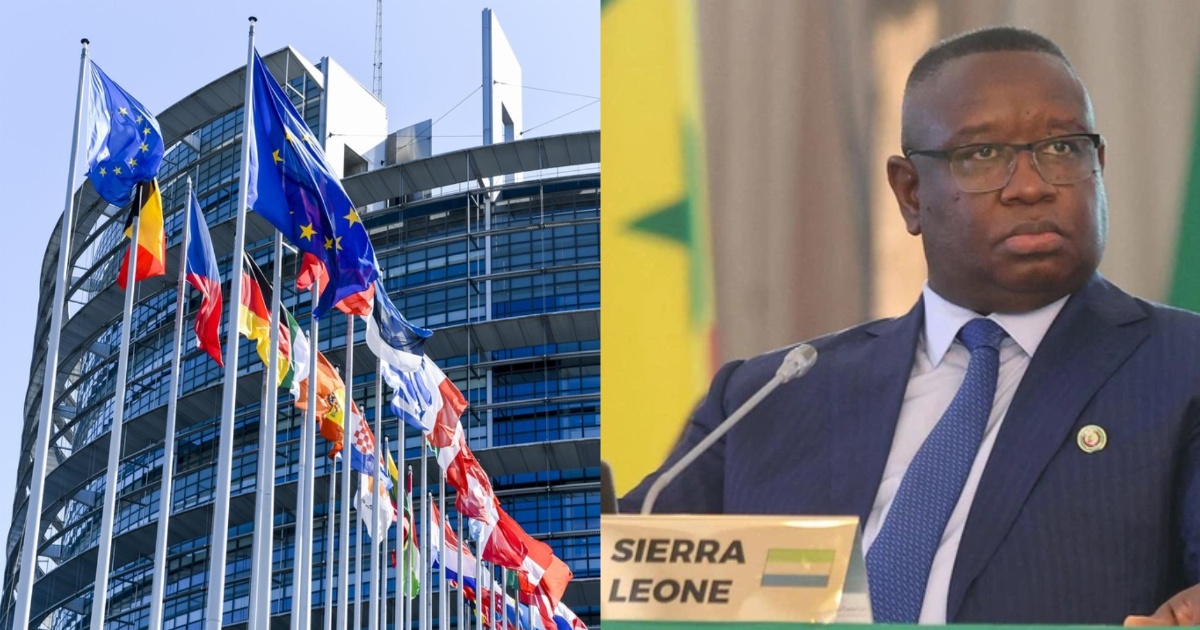
Brussels, 8 June 2026 — The European Parliament has raised serious concerns about Sierra Leone’s alleged role as a transit hub for cocaine heading to Europe and a safe haven for convicted European criminals, calling on the European Commission to take strong action including possible suspension of development funding.
In an official communication dated 5th June 2026 and addressed to High Representative Kaja Kallas and Commissioner Jozef Síkela, the Parliament states that Sierra Leone serves as a logistical base for cocaine destined for the European market while harbouring EU citizens wanted for prosecution in their home countries.
Despite bilateral talks and EU diplomatic efforts, the document notes that little progress has been made on extraditions. It highlights two key tools available to the Commission:
1. Suspension of development cooperation funds under the NDICI-Global Europe instrument.
2. Establishment of a sanctions regime targeting transnational organised crime.
The Parliament criticises the Commission for not yet using these measures, even though Sierra Leone ranks high on the Global Organized Crime Index as one of West Africa’s primary cocaine transit countries.
Political Commitments Ignored?
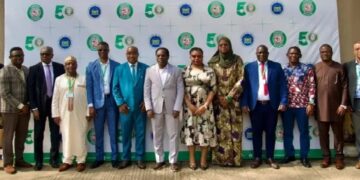
The document references the EU-Sierra Leone Political Partnership Dialogue held on 16 December 2025, chaired by President Julius Maada Bio. Both sides had agreed to strengthen cooperation against drug trafficking and organised crime.
However, just five months later, Spanish police intercepted a ship carrying 30 tons of cocaine that had reportedly departed from Freetown, according to the communication.
The EU has committed €352 million to Sierra Leone for the period 2021–2027, in addition to other regional funding. The Parliament argues that this financial support should be linked to concrete cooperation on international legal matters, including extraditions.
Call for Action
The European Parliament is urging the Commission to:
– Press Sierra Leone to extradite convicted drug criminals to EU member states, using the suspension of aid as leverage if necessary.
– Make operational a horizontal sanctions regime against transnational organised crime, as previously pledged in the Commission’s work programme.
The communication also mentions that Sierra Leone is a party to the UN Convention against Transnational Organized Crime, which includes provisions on extradition, but implementation towards EU countries has been lacking.
This latest development is likely to spark fresh debate in Freetown about the country’s international image, its cooperation with European partners, and the potential impact on vital development assistance that supports many sectors of the economy.
Sierra Leonean authorities have not yet issued a public response to the European Parliament’s communication. Further updates are expected as diplomatic discussions continue.