









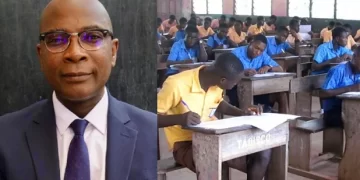













































The Sierra Leone Teachers Union (SLTU) has appealed to Vice President Mohamed Juldeh Jalloh over what it describes as continued delays in the payment of school fee subsidies, warning that many schools are struggling to sustain effective teaching and learning activities.
In a letter dated 7 May 2026 and signed by SLTU Secretary General Morris S. Conteh, the union said subsidies for the second and third terms owed to Junior Secondary and Primary Schools for the current academic year have still not been paid despite previous assurances from government.
The union reminded the Vice President that the payment of subsidy backlogs for the 2024/2025 academic year and the first term of the 2025/2026 school year formed part of the resolutions that ended the nationwide teachers’ strike in September 2025.
According to the letter, the Vice President had played a key mediation role that helped schools reopen after the industrial action.
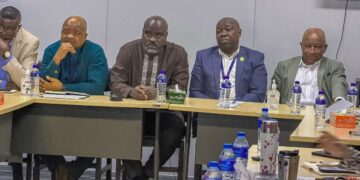
SLTU expressed disappointment that the joint committee established to address outstanding issues affecting teachers and schools has reportedly not met again since its inaugural session.
“We are already into the 3rd term with many school authorities struggling to ensure effective teaching and learning in their schools mostly without the much needed resources from Government,” the letter stated.
The union further called for “prompt intervention” from the Vice President to prevent the situation from worsening across the education sector.
The concerns come against the backdrop of longstanding disputes between teachers and government over unpaid subsidies, delayed salaries, shortage of teaching materials, and welfare concerns. In 2024, the union issued a 21-day strike notice over unpaid school subsidies and related grievances.
In September 2025, SLTU embarked on a nationwide strike, citing unresolved issues including outstanding fee subsidies, payroll concerns, and lack of teaching materials in schools.
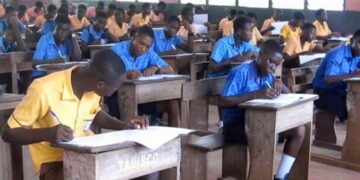
Education stakeholders have repeatedly warned that delays in subsidy payments continue to place pressure on school administrations, especially government-assisted schools that depend on the funds for operational and learning support.