









































Freetown, Sierra Leone — Sierra Leone’s Transnational Organised Crime Unit (TOCU) has firmly stated that the cargo vessel MV Arconian departed Freetown’s port without any illegal substances onboard, distancing the country from what Spanish authorities describe as one of Europe’s largest-ever cocaine hauls.
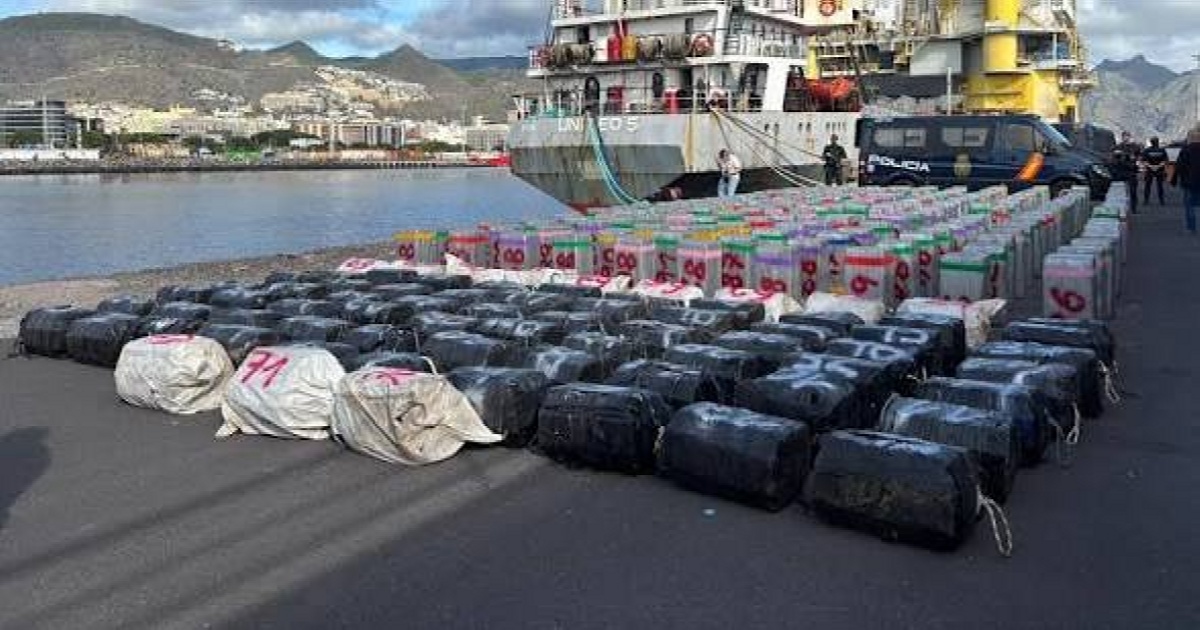
Spanish Civil Guard officials intercepted the Comoros-flagged general cargo ship on May 1, 2026, in international waters approximately 430 nautical miles south of the Canary Islands, near Western Sahara, while it was en route toward Libya (with Benghazi as the declared destination). Reports indicate authorities seized between 30 and 45 metric tons of cocaine, with one confirmed figure around 30.2 tons (30,215 kg), valued at approximately €812 million (over $950 million) on the European market. The drugs were found concealed in the vessel’s holds, alongside firearms and ammunition.
All 23 crew members were arrested. They include individuals of various nationalities, such as Filipinos, Dutch, Surinamese, and others. Some armed guards were reportedly among those detained.
According to TOCU’s investigation, the MV Arconian (a 37-year-old, 4,347 DWT, 91-meter vessel) arrived in Freetown on April 17 and officially loaded legitimate cargo before departing on April 22: 1,151 metric tons of palm kernel (likely cake or related product), 250 metric tons of marine diesel fuel, and 315 metric tons of fresh water. Comprehensive port records, CCTV footage, cargo manifests, and terminal reports showed no evidence of narcotics being loaded or concealed during its stay.
TOCU further noted that the alleged owner, Serenity Shipping Company (or Serenity Shipping SL Ltd, based in Freetown), is not registered in Sierra Leone, though some Spanish reports link the vessel’s registration to a Sierra Leone-based entity that acquired it earlier in 2026. The ship had changed flags and identifiers previously, raising questions about opaque ownership common in flags of convenience.
The operation was supported by intelligence from the U.S. Drug Enforcement Administration (DEA) and Dutch police, highlighting West Africa’s increasing role as a transit hub for cocaine heading to Europe. The vessel was escorted to Las Palmas in the Canary Islands for further inspection.
This incident comes amid broader concerns over maritime drug trafficking routes along the African coast.
Sierra Leonean authorities maintain that the country was not a loading point for the illicit cargo, suggesting the drugs may have been added at sea or prior to/after the Freetown call. Investigations by Spanish, Sierra Leonean, and international partners are ongoing.