















































FREETOWN — Sex workers in Sierra Leone’s capital are reporting one of their most difficult periods in recent memory, with a sharp decline in clients as the country’s prolonged economic struggles continue to erode household spending power.
Many women operating in nightlife hotspots, particularly around Lumley, say business has slowed to a trickle compared to previous years. Daily earnings have plummeted, making it increasingly difficult to cover basic needs amid rising inflation and living costs.
At Crab Town, one of Lumley’s busiest commercial sex work zones, several workers described a noticeable drop in patronage. Some are now forced to juggle petty trading during the day with sex work at night just to stay afloat.
“Before, you could meet enough clients to manage the day. Now, some nights you go home with almost nothing,” one woman told local observers, speaking on condition of anonymity.
Beyond income losses, health and safety risks remain a critical concern for those in the trade. Reports indicate heightened vulnerability to sexually transmitted infections, substance abuse, and various forms of exploitation, driven by economic desperation.
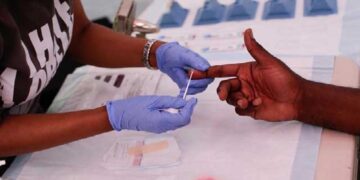
Official data from the HIV/AIDS Secretariat shows Sierra Leone has recorded more than 81,000 HIV cases nationwide, with women bearing the highest prevalence. Although awareness campaigns have gained some traction, inconsistent condom use, often linked to clients’ unwillingness to pay more or pressure for unprotected encounters, continues to expose many young women to serious health threats and long-term social consequences.
The situation underscores the broader impact of Sierra Leone’s economic challenges on the country’s informal sectors, where survival strategies are becoming more precarious for thousands of vulnerable citizens.