

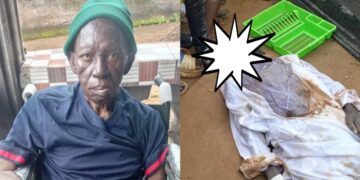



















































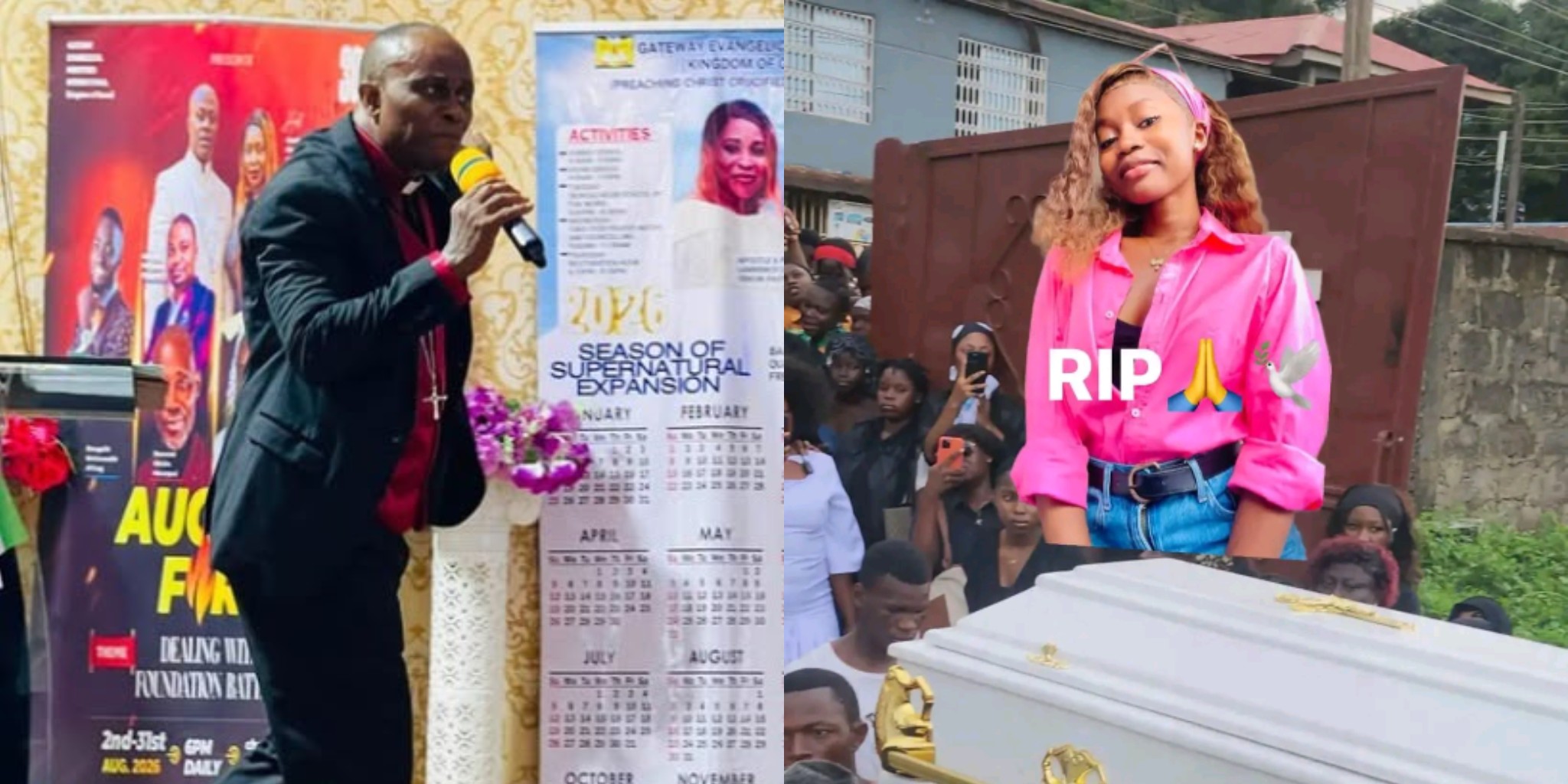
In the solemn quiet of a Freetown funeral service on Monday, 7 September 2026, family, friends, colleagues from the media and entertainment circles, and young people who had followed her work gathered to say goodbye to Glorious Aminata Bangura. Popularly known as the “GenZ Reporter,” the young journalist had died weeks earlier after a severe illness that kept her in the intensive care unit at Choithrams Hospital. Her medical bills had climbed past NLe 40,000, prompting public appeals for support before her passing. The exact nature of the illness was never publicly detailed. What was clear was the sense of loss: a bright, distinctive voice cut short, one that had spoken to Sierra Leone’s youth and the wider media community.
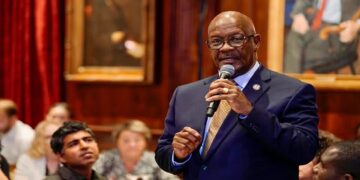
Then Pastor Amos, who presided over the service, spoke. Reflecting on upbringing, discipline and the role of spiritual and moral teaching in a person’s life, he offered a pointed suggestion. If Bangura had adhered more closely to the home training and ethical guidance she received, he believed she might have lived longer and fulfilled her purpose.
“Peradventure they gave her the training, if she had chosen to subscribe to the home training, the ethics being given to her, I don’t think she would have been dead by now; she would have fulfilled purpose,” the pastor said. He cited Joshua 1:8, urging continuous meditation on and careful obedience to the Book of the Law, and called on the mourners to consider the consequences of turning away from such guidance.
The remarks landed in a room already heavy with grief. For many Sierra Leoneans, funerals are moments of collective mourning, tribute and shared faith. Clergy often use the occasion to speak about mortality, obedience to God and the need to live rightly. Yet linking a young woman’s death, after a documented period of serious illness and hospitalisation to a supposed failure to follow home training and moral teachings has struck a raw nerve. The suggestion carries an implication of personal or spiritual shortcoming that many find both unprovable and unkind at the very moment a family is burying their daughter.
In a country where Christian faith runs deep and pastors command significant influence, such statements are not unheard of. Preachers frequently frame life’s hardships, including premature death, through the lens of divine purpose, obedience or the consequences of straying. Joshua 1:8 itself is a familiar call to stay rooted in scripture. But applying that framework so directly to a specific deceased young woman, whose medical struggle was public knowledge, crosses into territory that feels less like pastoral counsel and more like judgment. Critics see it as shifting responsibility onto the deceased at a time when compassion, not speculation, is needed. Supporters may view it as a hard but necessary reminder that spiritual discipline matters and that funerals can serve as teaching moments for the living.
The controversy highlights a tension familiar to many Sierra Leonean families and communities. On one side stands traditional and religious emphasis on parental training, moral discipline and adherence to faith as safeguards for a long and purposeful life. On the other stands the reality of illness, limited healthcare resources, and the simple fact that death does not always follow a neat moral script.
Bangura’s case, weeks in ICU, mounting costs, a young life ended, belongs firmly in the realm of medical and human tragedy. To suggest that different personal choices about “home training” and ethics would have altered that outcome risks reducing complex suffering to a moral equation.
Young people, in particular those who saw Bangura as a voice for their generation, may hear in the pastor’s words an echo of broader generational friction: the idea that modern youth have drifted from the values of their elders and must therefore bear the consequences. Media colleagues who worked alongside her, and the entertainment and youth communities that paid tribute, are more likely to remember her energy, her reporting and the promise that was cut short. For the family, the words land hardest of all, spoken in the very service meant to honour their loved one.
Pastor Amos’s message was not delivered in isolation. It formed part of a larger reflection on purpose, discipline and the importance of following established teachings. Yet the specific claim about Bangura’s death has become the focal point. In Sierra Leone’s closely knit public square, where social media amplifies every funeral moment and every pastoral pronouncement, such remarks rarely stay confined to the church walls. They invite debate about the proper role of clergy at funerals: to comfort the bereaved, to proclaim hope in the face of death, or to issue moral warnings that can feel like quiet accusations.
As the tributes continue and the young journalist is laid to rest, the conversation her funeral has provoked will likely linger. It asks Sierra Leoneans to weigh how faith is spoken in moments of loss, how far spiritual interpretation should stretch into explanations of illness and death, and whether the grief of a family and a generation is best served by speculation about what might have been. Glorious Aminata Bangura, the GenZ Reporter, leaves behind a record of work and a community that valued her voice. The manner of her farewell has now added another layer to that legacy, one that forces a public reckoning with the power of words spoken over the dead.