


















































Freetown – Academic staff at public tertiary institutions across Sierra Leone have begun a nationwide industrial action from midnight on Wednesday, 16 September 2026, after the Union of Academic Staff Associations (UASA) said its 21-day strike notice expired without a satisfactory response from Government.
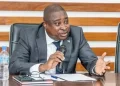
In a public notice issued on Tuesday, 15 September, UASA Secretary-General Abiodu Williams stated that the notice, served on Government on 13 August, had run out with no concrete agreement reached on the union’s two main demands: the immediate implementation of the reviewed Conditions of Service for academic staff of public tertiary institutions, and Government’s consideration of a 100% salary increment.
During the notice period, UASA engaged the Ministry of Technical and Higher Education (MTHE), the Conference of Vice Chancellors and Principals (CVCP), and the Wages and Compensation Commission (WCC) in efforts to resolve the dispute through dialogue.
The union said these engagements produced no firm commitments.
UASA has therefore directed all academic staff in public universities, technical universities and polytechnics to withdraw their services with effect from 00:00 hours on Wednesday, 16 September, until further notice. Branch executives have been instructed to communicate the directive to members and ensure full compliance.
The industrial action is aimed at addressing long-standing concerns over the welfare, remuneration and working conditions of academic staff.
UASA emphasised that it remains open to further negotiations with Government.
The strike notice follows years of engagements between academic staff associations and authorities over conditions of service, salary adjustments, promotions, allowances and related welfare issues.
Previous actions and notices by UASA and its member associations have repeatedly highlighted the impact of inflation and the need to fully implement reviewed conditions of service.
Sierra Leone’s Employment Act, 2023 recognises lawful industrial action and provides protections for workers taking part in lawful strikes, provided the relevant legal requirements are met.
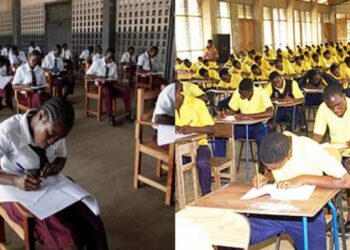
Students, parents and university authorities are now bracing for disruptions to teaching, examinations and other academic activities across public tertiary institutions until the dispute is resolved.