

























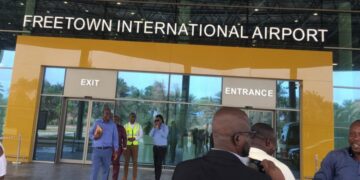

























FREETOWN, 21 October 2026 – Amid rising Ebola cases in Nigeria, Kenya and the Democratic Republic of Congo, Sierra Leone has tightened screening at its international airport, making health declaration forms mandatory for all passengers.
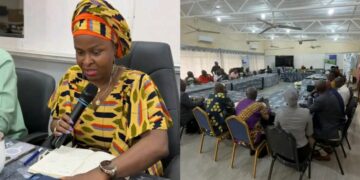
The Sierra Leone Civil Aviation Authority (SLCAA) in a Public Notice dated 21 October 2026 and signed by Director General Ms. Musayeroh Barrie said all passengers departing from or arriving at Freetown International Airport (FNA) must complete the Health Declaration Form before travel.
FAILURE TO COMPLY WILL RESULT TO DENIAL OF BOARDING, the Authority warned.
The move comes as the National Public Health Agency (NPHA) puts the country on high alert.
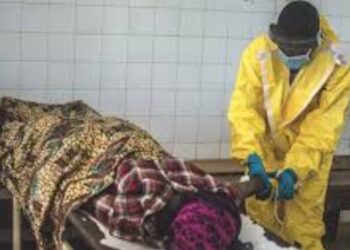
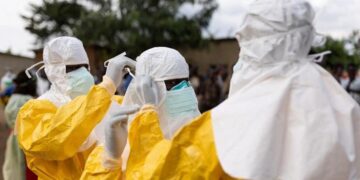
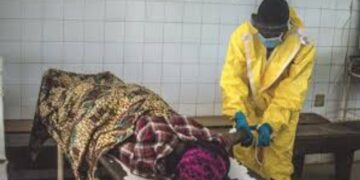
According to the NPHA and Africa CDC, the region is facing a growing Ebola outbreak caused by the Bundibugyo strain – different from the Zaire strain that hit Sierra Leone in 2014. The DRC has recorded over 9,500 cases and 4,600 deaths since May. Nigeria confirmed a case in Abuja on October 19th – a Ugandan woman who flew in via Addis Ababa – while Kenya has confirmed 7 cases including an imported death.
No case has been confirmed in Sierra Leone so far, but authorities say with direct flights from Addis Ababa, Nairobi and Lagos to Freetown, the risk cannot be ignored.
To prevent importation, all travellers must now:
– Log on to https://poep.npha.gov.sl within 72 hours before travel
– Complete the Health Travel Form with accurate personal details, travel history, seat number and health status
– Keep the QR Code/confirmation slip for verification by Port Health officials at Lungi
The portal – launched on 5th June 2026 by NPHA with support from WHO and Jhpiego – is now in use at Lungi, Gbalamuya, Jendema and Queen Elizabeth II Quay. It gives Port Health real-time alerts on high-risk travellers.
The SLCAA has urged airlines and travel agencies to enforce the rule and inform passengers to avoid disruption.
NPHA, meanwhile, is advising anyone who develops fever, severe weakness, headache, vomiting or diarrhoea after travel from affected countries to call 117 immediately, avoid close contact and public transport, and monitor their health for 21 days.
Sierra Leone lost nearly 4,000 people during the 2014-2016 Ebola outbreak. Authorities say the country is better prepared now, but public cooperation is critical.