

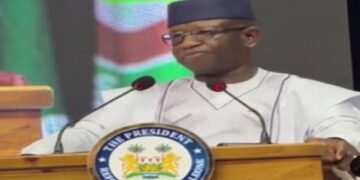






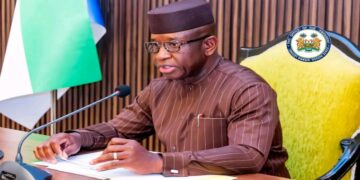
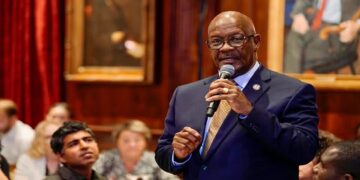
















Sierra Leone’s Vice President, Dr. Mohamed Juldeh Jalloh, has called on West African nations to prioritize domestic resource mobilization as a pathway to sustainable development.
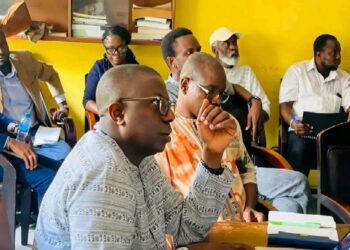
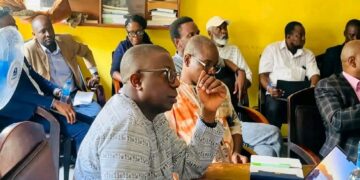
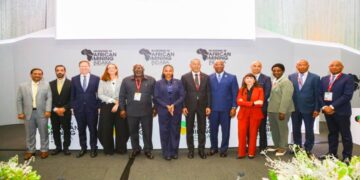
Speaking at the opening of the 7th High-Level Policy Dialogue of the West African Tax Administration Forum (WATAF) at the Foreign Service Academy in Freetown on Tuesday 16 September 2025, Dr. Jalloh said Sierra Leone was “deeply honoured” to host the gathering of tax administrators, policymakers, and international partners.
Highlighting the global crises that have battered low-income economies, the Vice President explained that the pandemic, the war in Ukraine, and declining development aid had placed unbearable strain on national budgets.
“We have faced multiple crises in recent years—COVID-19, high energy and transport costs from the Russia-Ukraine war, declining aid flows, and growing insecurity in the Sahel,” he said. “All of these are putting a lot of stress on West African economies.”
Dr. Jalloh noted that meeting the Sustainable Development Goals by 2030 would require about $4 trillion annually, an amount far beyond the reach of external financing.
He stressed that countries like Sierra Leone must shift their focus inward.
“There is no better time than today for low-income countries to prioritize domestic revenue mobilization,” he declared. “Strong revenues equal strong capacity—without them, states cannot deliver development.”
The Vice President underscored the government’s commitment to building a transparent and equitable tax system, noting ongoing reforms to digitize tax administration and broaden the tax base.
“Our government is committed to pursue an efficient, transparent, and equitable tax system to boost national revenue,” he stated. “If you don’t have a strong revenue capacity, there is no doubt state capacity to deliver development will also be very low.”
Dr. Jalloh concluded by reaffirming Sierra Leone’s solidarity with WATAF and the broader push for regional collaboration on tax matters.
“This forum provides an opportunity to exchange ideas—what works in Liberia, Gambia, or Senegal can be shared and adapted here,” he said. “Sierra Leone stands ready to support this institution and promote its work at every regional and international platform.”