




















FREETOWN, 29th October 2026 – For millions of Sierra Leoneans, life has become a double punishment: scorching heat by day, total blackout by night.
As temperatures soar across Freetown and the provinces, families are spending nights fanning themselves in the dark, unable to sleep, unable to preserve food, unable to charge phones, as persistent power cuts cripple the country.
In eastern Freetown – Calaba Town, Wellington, Portee, Allen Town, Rokupar – residents say they go for three to four days without light, only to get 30 minutes of low-voltage supply before it trips off again. The same complaints are coming from central Freetown, Hill Station, Lumley and across the Western Area.
Residents Cry Out
“How can we sleep in this heat without even a fan?” asks Isatu Kabia of Calaba Town. “We spend 8 to 10 Leones every day just to charge our phones. All our fish has gone bad. Our children are crying because of the heat.”
One food vendor in Wellington added: “Before, we used to cook five different types of food and keep them in the freezer. Now we can’t do it anymore, because if we cook, it will get spoiled.”
“For six days, I have not had electricity,” said Joseph Kargbo, a resident in the east end of Freetown. “We are suffering in the heat, we are suffering in the darkness. This is pure suffering.”
“We are in heat, we are in darkness. We are only suffering,” another resident lamented.
Why The Light Is Not Steady
The blackout is not new, but it has worsened in October.
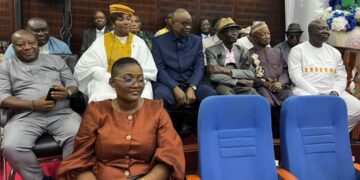
At an emergency meeting on 15th October at the Ministry of Energy, Minister of Energy Hon. Cyril Grant slammed EDSA for poor communication and slow response to faults, saying burnt cables and fallen poles should be fixed in hours, not days.
EDSA’s Head of Distribution, Ing. Chernoh Jalloh, admitted the network is overloaded. Demand has outstripped supply as new communities join the grid without upgrade.
The bigger problem is generation:
1. Karpowership: The Turkish ship that powers Freetown was contracted to supply 45MW in dry season and 25MW in rainy season. Since January 2026, it has been generating only 5.6MW to 6MW, EDSA confirmed. Government owes the company over $48 million in arrears.
2. Bumbuna Hydro: Sierra Leone’s main hydro dam is generating only about 10MW due to low water levels in the dry season and ongoing annual maintenance. Less than 2MW reaches Freetown.
3. Bo, Kenema, Makeni: Those cities depend on Dodo Hydro and CLSG from Ivory Coast. CLSG has cut supply from 32MW to 10MW over unpaid bills. Bo and Kenema now get only 7 hours of light three times a week.
The country pays a huge price. Chairman of the Energy Governance Coordination Group, Dr Kandeh Yumkella, disclosed that Sierra Leone paid $90 million to Karpowership between January and June 2026 alone.
Heat Makes It Worse
Sierra Leone is experiencing unusually high temperatures this October. In poorly ventilated zinc houses in Freetown’s slums, indoor temperatures can reach over 40°C.
Medical experts warn of rising cases of heat rash, dehydration, malaria complications and respiratory distress, especially among babies, the elderly and pregnant women. In May this year, surgeons had to operate under flashlights during a blackout.
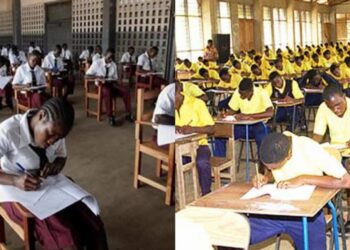
The lack of power means fans, fridges, and air-conditioners are useless. Students preparing for NPSE, BECE and WASSCE are forced to read with candles and Chinese rechargeable lamps that many families cannot afford to charge.
EDSA says help is coming – the JICA-funded Peninsula-Waterloo transmission line, the World Bank Energy Sector Utility Reform Project, and two new solar plants: 30MW at Newton and 20MW at Benguema, expected to be commissioned soon by President Julius Maada Bio.
But for now, the average Freetonian’s daily routine is: sweat in the heat, wait for light that never comes, and spend what little money they have to buy fuel or pay for phone charging.