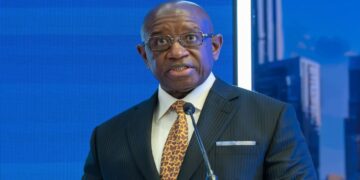









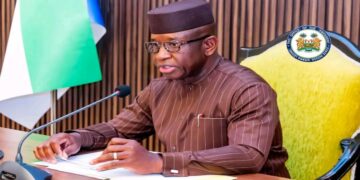





















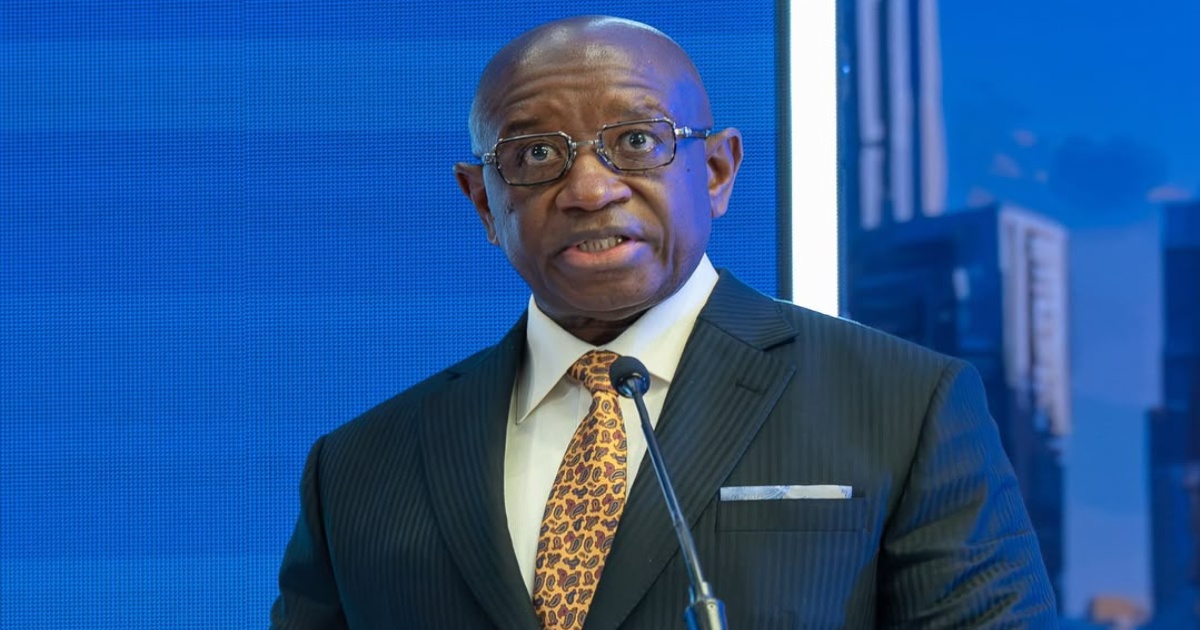
Accra, Ghana, Wednesday, 28 October 2026 – Sierra Leone’s President Dr Julius Maada Bio has called for a fundamental shift in Africa’s development approach, urging African nations to strengthen their capacity to produce, innovate, compete and negotiate with the rest of the world from a position of economic strength, rather than remain dependent on exporting raw materials and importing finished goods.
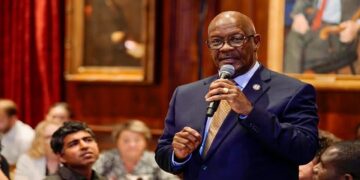
Delivering the keynote address at the Elevate Africa Convening 2026 in Accra, Ghana, under the theme “Africa: Defining Her Future,” President Bio argued that the continent’s political independence must be matched by the economic capacity to determine its own development priorities, create opportunities for its people and secure greater value from its natural and human resources.
“Political independence gave us the authority to make our own decisions. True sovereignty requires the capacity to carry those decisions through,” President Bio declared, setting out a vision of African leadership defined by the courage to make difficult choices, the discipline to deliver on commitments and the responsibility to build institutions capable of sustaining progress across generations.
The President observed that Africa was confronting a defining moment in global affairs, characterised by changing economic relationships, increasingly difficult development financing, rapid technological transformation and growing international interest in the continent’s resources. He said African countries must respond with confidence, stronger negotiating capacity and a clearer understanding of their national and collective interests.
While emphasising the importance of international partnerships, President Bio stressed that Africa must strengthen its ability to produce, process, innovate and compete if it is to translate its abundant resources into broad-based prosperity.
He called for greater investment in industries that process minerals, transform agricultural products and create employment, arguing that the continent cannot achieve lasting prosperity by continuing to supply raw materials to the world while importing finished products.
“Our resources must create industries, jobs and wealth for our people. That is how economic sovereignty becomes a reality,” he said.
President Bio grounded his argument in the distinction between possessing the authority to make national decisions and having the economic capacity to implement them.
He maintained that sovereignty must be reflected in a country’s ability to educate its children, feed its population, develop industries and negotiate international partnerships on terms that advance its interests.
Drawing on Sierra Leone’s development priorities, he highlighted the Free Quality School Education Programme, introduced in 2018, as a reflection of his administration’s decision to make education a national priority. He reaffirmed the principle that poverty should not determine the limits of a child’s future.
He also cited the Feed Salone initiative as part of efforts to strengthen food security, support farmers and expand opportunities for young people.
According to the President, food security extends beyond agricultural production to national dignity, economic resilience and the capacity to withstand external shocks.
He linked these priorities to a broader principle of governance: national choices must be reflected in public budgets, policies and the work of institutions if they are to produce meaningful improvements in people’s lives.
The President also called for African economic integration to move beyond agreements and declarations towards practical benefits for traders, entrepreneurs and businesses operating across national borders.
Using the African Continental Free Trade Area as an example, he said regional integration should make it easier for African enterprises to access neighbouring markets, move goods across borders and expand their commercial opportunities.
“I want to see a business in Freetown able to trade with customers in Accra without unnecessary obstacles,” he said.
President Bio stressed that the success of continental integration should be measured by the opportunities it creates for ordinary Africans, rather than by the number of agreements concluded or meetings held.
He called for stronger African enterprises, improved market access and the development of productive industries capable of generating employment and retaining more economic value within the continent.
Turning his attention to leadership and accountability, President Bio challenged participants at the convening to convert their discussions into specific commitments backed by financing, implementation plans and mechanisms for accountability.
“Before we leave Accra, let each of us identify one commitment we are prepared to finance, implement and account for,” he urged.
He encouraged participants to identify practical initiatives, whether through investment in African enterprises, the removal of barriers to regional trade or the expansion of education and economic opportunities.
“Let Accra be remembered for what we began here, not simply for what we said here,” he added.
The President argued that Africa had no shortage of development plans, declarations or regional agreements. The pressing challenge, he said, was ensuring that these commitments translated into tangible outcomes for citizens. His message placed responsibility on leaders, investors and other influential stakeholders to ensure that the continent’s development ambitions are supported by the resources, institutions and sustained action necessary to achieve them.
Reflecting on Sierra Leone’s experience of conflict and recovery, President Bio underscored the importance of protecting peace through dialogue, justice, accountable governance and respect for constitutional order.
He maintained that political differences must be resolved through trusted institutions and without violence, warning that development cannot be sustained where the foundations of peace and stability are undermined.
“Peace gives development a chance to succeed. Strong institutions give that progress a chance to last,” he said.
The President further argued that Africa’s progress must not depend on individual leaders but on institutions capable of protecting public resources, serving citizens and sustaining national priorities beyond changes in political leadership.
“A leader’s greatest legacy is a country that continues to make progress after that leader has left office,” he stated.
He also called for greater opportunities for young Africans to participate in shaping the continent’s future, emphasising access to education, employment, innovation, entrepreneurship and decision-making.
“We cannot continue calling them the leaders of tomorrow while denying them opportunities to lead today,” President Bio said, urging African leaders to consider the long-term consequences of their decisions on education, public debt, natural resources and national development.
In a personal reflection, President Bio recalled the influence of his late mother, Yei Amie, whose commitment to education, hard work and integrity helped create opportunities for her children despite limited resources.
He used her example to illustrate how decisions made today can shape the opportunities available to future generations, even when those making the sacrifices may not live to see the full results.
The President concluded by challenging African leaders to consider how future generations would judge their response to the changes taking place in the world, including whether they made difficult choices, honoured their commitments and built institutions capable of serving generations to come.
“They will not remember every speech we delivered or every declaration we signed. They will remember what changed because we had the opportunity to lead,” he said.
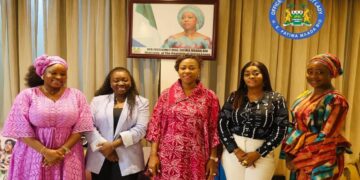
During the opening ceremony, First Lady Fatima Bio also made a strong case for empowering women across the continent, emphasizing that Africa’s elevation depends on uplifting African women.
President Bio’s keynote at the Elevate Africa Convening placed economic sovereignty, productive capacity, regional integration and accountable leadership at the centre of the debate about Africa’s future, calling for a continent that uses its resources to build industries, create jobs and expand opportunities for its people.
Credit: State House Media and Communications Unit