


















































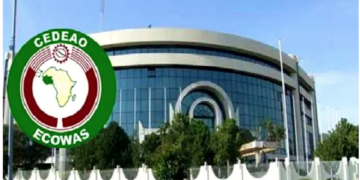



January 29, 2025 – In a significant shift in West African geopolitics, Burkina Faso, Mali, and Niger have officially withdrawn from the Economic Community of West African States (ECOWAS) as of January 29, 2025.
This move follows a series of military coups in the three nations and their subsequent formation of the Alliance of Sahel States (AES).
Despite their departure, ECOWAS has emphasized its commitment to regional solidarity and the well-being of the affected populations.
In a statement issued today, ECOWAS urged all relevant authorities to continue recognizing national passports and identity cards bearing the ECOWAS logo held by citizens of the three countries until further notice. Additionally, the bloc called for the continued treatment of goods and services from these nations in accordance with the ECOWAS Trade Liberalization Scheme (ETLS) and investment policy.
ECOWAS also highlighted the importance of maintaining visa-free movement, residence, and establishment rights for citizens of Burkina Faso, Mali, and Niger, in line with existing protocols.
The organization further requested full support and cooperation for ECOWAS officials from these countries during their assignments for the community.
These interim measures aim to prevent confusion and disruption in the lives and businesses of the region’s people during this transition period. ECOWAS has established a structure to facilitate discussions on future engagement modalities with each of the three countries. These arrangements will remain in place until the ECOWAS Authority of Heads of State and Government fully determines the modalities of future engagement with the three countries.
The withdrawal of these nations from ECOWAS marks a significant challenge for the bloc, potentially affecting visa-free movement and regional stability. Efforts to mediate the situation have not reversed the decision, and the countries are planning to issue their own travel documents and form an alliance. The departure raises concerns about further regional fragmentation and the maintenance of democratic governance principles in the region.
In response to the withdrawal, Burkina Faso has already begun issuing new biometric passports without the ECOWAS logo, signaling a move towards greater autonomy. Mali and Niger are expected to follow suit as part of their efforts to harmonize travel documents and facilitate mobility within their new alliance.
The situation continues to evolve, with ECOWAS expressing concerns that the departure of these countries could undermine the freedom of movement and economic integration for 400 million people within the bloc. The international community is closely monitoring developments as the region navigates this unprecedented transition.