

























































Freetown, August 9, 2026 – The All People’s Congress (APC) has thrown its weight behind parts of the proposed Constitution of Sierra Leone (Amendment) Bill, 2025, while firmly rejecting moves that would scrap the First-Past-the-Post system and lower the presidential election threshold.
In a statement rreleased on Sunday, the main opposition party said it supports constitutional reform in principle.
“We are not rejecting the amendment bill wholesale,” the APC stated. “Every proposed change must be judged on whether it strengthens our democracy, promotes inclusion, and serves the national interest.”
The party welcomed the provision that guarantees a minimum 30 percent representation for women in political nominations. APC described women’s full participation in governance as “essential to Sierra Leone’s political, social and economic progress.”
It also backed proposals that would allow Sierra Leoneans with dual citizenship to contest parliamentary seats and hold ministerial or other public offices, provided they meet constitutional requirements.
The party argued that citizens in the diaspora should not be shut out from contributing their skills simply because they hold another nationality.
On the presidency and vice-presidency, however, APC insisted that existing citizenship rules should remain. The party said the current arrangement strikes the right balance between wider participation and the special safeguards needed for the country’s highest offices.
Where the APC dug in its heels is on the electoral system. The party strongly opposed any shift away from the First-Past-the-Post (FPTP) constituency-based system. It argued that FPTP keeps a direct and accountable link between MPs and the people they represent in their constituencies.
According to the statement, this position is not just an APC preference. The party claimed it reflects views expressed during nationwide constitutional consultations by traditional leaders, civil society groups, religious bodies and ordinary citizens.
APC equally rejected any reduction of the 55 percent threshold required to win the presidency.
The party maintained that the higher bar forces candidates to build broad support across regions, ethnic groups and political divides, encouraging coalition-building and national consensus. In a diverse country like Sierra Leone, the APC said, the constitution must promote wide national appeal rather than narrow mobilisation.
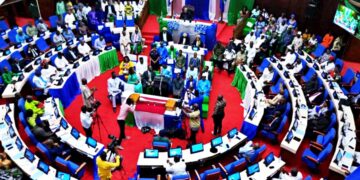
The opposition called on Members of Parliament to treat the coming vote as a matter of national importance, not party politics.
“Governments and majorities come and go,” the statement noted, “but the Constitution remains the supreme law that governs every Sierra Leonean.”
As debate continues in Parliament, the APC’s stance has added another clear voice to the ongoing constitutional conversation that will shape Sierra Leone’s democratic future for years to come.