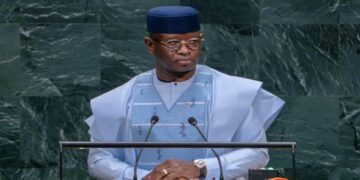











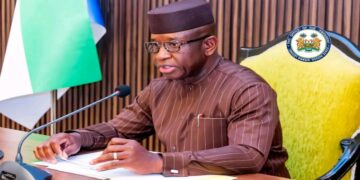





















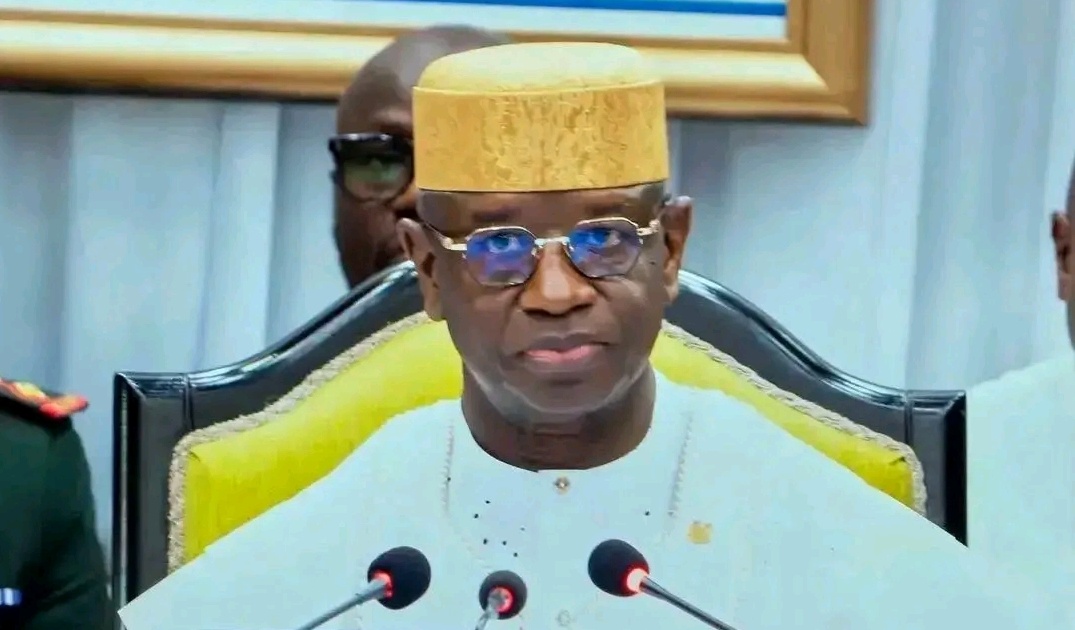
President Dr Julius Maada Bio has outlined significant progress under the Feed Salone Initiative, declaring that Sierra Leone is steadily advancing towards food self-sufficiency and agricultural transformation.
Addressing the nation during the State Opening of the Fourth Session of the Sixth Parliament, the President revealed that rice production rose to 1,441,015 metric tonnes in 2025, a 4.2 per cent increase over the previous year. Cultivated land expanded to 661,016 hectares, while average yields improved to 2.37 metric tonnes per hectare.
Rice self-sufficiency climbed from 68 per cent in 2023 to 73 per cent in 2025. The rice import bill dropped from US$177 million to US$159 million, saving the country more than US$18 million in scarce foreign exchange. These figures align with the latest Crop Production Survey released by the Ministry of Agriculture and Food Security, which confirmed steady growth driven by expanded inland valley swamp farming and better productivity.
Among other key achievements, the Sierra Leone Agricultural Research Institute (SLARI) released improved varieties of rice, cassava and maize. Cocoa, coffee and cashew exports generated US$107.8 million last year. A 35 per cent duty on imported eggs has boosted local poultry production, while onion cultivation in the Lungi area expanded from 70 to 170 hectares, creating jobs for more than 500 women and cutting prices from NLe50 to NLe34.
President Bio disclosed that over US$45 million has been mobilised to support agribusiness development. A US$105 million Livestock and Livelihood Development Project, backed by partners including IFAD, the Islamic Development Bank and the OPEC Fund, will benefit more than 62,000 households across 11 districts. More than 1,200 farmers are already enrolled in Sierra Leone’s first Weather-Index Crop Insurance Scheme.
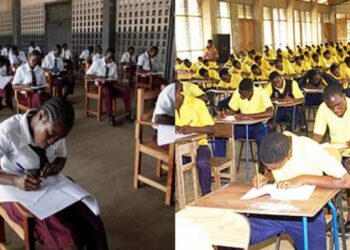
Locally produced rice now supplies 40 per cent of the National School Feeding Programme, helping feed 270,000 schoolchildren daily. World Food Programme data shows severe household food insecurity fell sharply from 28 per cent in 2023 to 13 per cent in 2025.
The President reaffirmed Government’s commitment to expanding irrigation, mechanisation, processing capacity and rural connectivity to sustain the gains.
“Feed Salone will be judged by what farmers earn, what families pay for food and Sierra Leone’s ability to feed itself,” President Bio said.
The Feed Salone programme, launched as a flagship of the Big Five Game Changers, continues to prioritise reducing import dependence, raising farmer incomes and building a resilient food system for the nation.