


















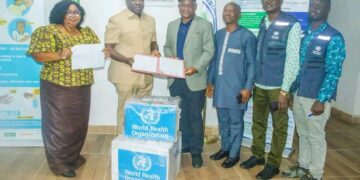


















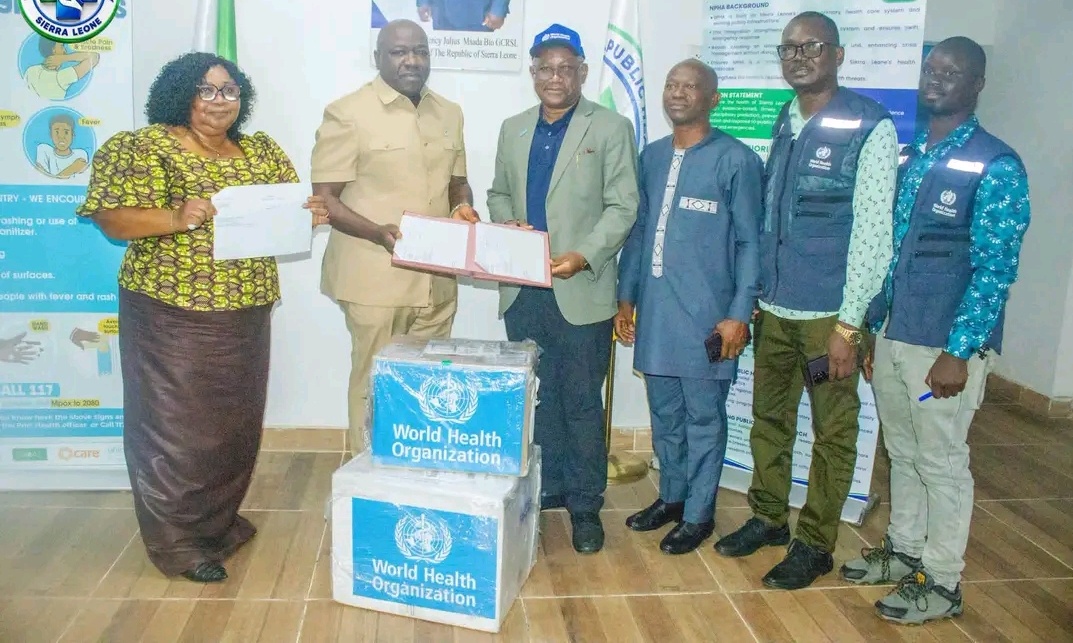
FREETOWN, 27th October 2026 – The World Health Organization (WHO) has donated 480 PCR test kits and about 500 extraction materials to the National Public Health Agency (NPHA) to strengthen Sierra Leone’s preparedness against Ebola and Marburg virus diseases.
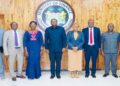
The materials were presented in Freetown by WHO Country Representative Dr. George Ameh to NPHA Executive Director, Prof. Brig-Gen. Dr. Foday Sahr.
Receiving the items on behalf of the NPHA and Ministry of Health, Prof. Sahr thanked WHO for the timely support, saying the supplies will complement existing national stocks and boost rapid detection capacity.
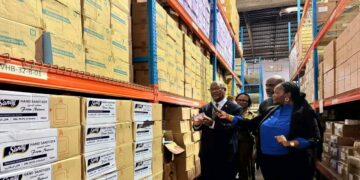
He disclosed that the country has already prepositioned over 300 test kits at hospitals across the country, with about 495 kits at Kenema Government Hospital – the national centre for viral haemorrhagic fevers – and about 560 reagents currently in stock. The new donation will further strengthen laboratory capacity for early detection.
Why This Donation Matters Now
The donation comes at a time when Sierra Leone is on high alert.
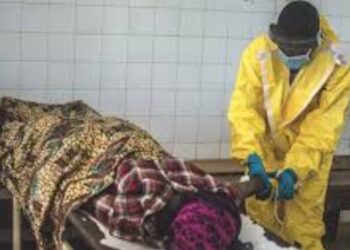
According to the NPHA and Africa CDC, the region is currently battling an Ebola outbreak caused by the Bundibugyo strain – different from the Zaire strain that devastated Sierra Leone in 2014-2016 when over 14,000 people were infected and nearly 4,000 died.
The current outbreak, which started in the Democratic Republic of Congo (DRC) in May, has now recorded over 9,400 cases and more than 4,500 deaths across at least eight provinces. It has spread to Uganda (20 cases), Kenya (8 cases, including one death) and Nigeria confirmed an imported case in Abuja on 19th October – a Ugandan woman who flew in via Addis Ababa. WHO has declared it a Public Health Emergency of International Concern.
Crucially, unlike Zaire Ebola, there is no approved vaccine yet for Bundibugyo – vaccine candidates are still in trials in Uganda. That makes early detection, isolation and testing the only effective defence.
Sierra Leone has no confirmed case as of 27th October, but with direct flights from Addis Ababa, Nairobi and Lagos to Freetown International Airport, the risk of importation is real.
Preparedness Now at 83% – Above WHO Benchmark
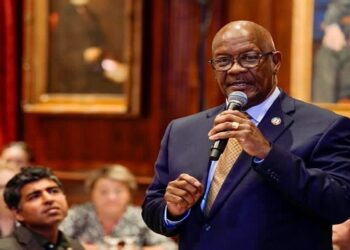
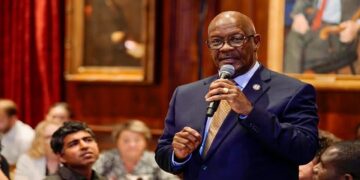
At a media dialogue last week at the Emergency Operations Centre on Wilkinson Road, Prof. Sahr said Sierra Leone’s overall Ebola preparedness has jumped from 51% in May to 83% in October, exceeding WHO’s 80% benchmark.
Infection Prevention and Control capacity improved from 18% to 82%, safe and dignified burial from 20% to 73%, while contact tracing and risk communication are now at 84%. The national laboratory at Jui can now confirm Ebola within three hours without sending samples abroad.
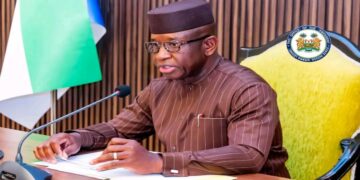
But Minister of Health Dr. Austin Demby has warned that “83% preparedness is not enough, particularly when dealing with a disease as deadly as Ebola,” and ordered NPHA to close the remaining gaps within a month.
Tighter Screening at Lungi and Borders
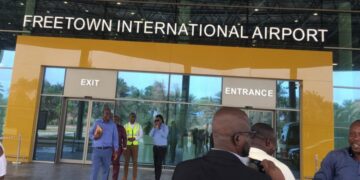
As part of precautionary measures, the Sierra Leone Civil Aviation Authority has made health declaration forms mandatory for all passengers arriving and departing at Freetown International Airport. Passengers must log onto https://poep.npha.gov.sl within 72 hours before travel, complete their health and travel history, and present the QR code at Lungi. The portal is also in use at Gbalamuya, Jendema and Queen Elizabeth II Quay.
NPHA has also activated District Rapid Response Teams, reinforced fever screening at all Points of Entry, and restocked PPE and isolation units.
The public is advised to avoid contact with body fluids of sick persons, wash hands regularly, and call 117 immediately if you develop sudden fever, weakness, headache, muscle pain, vomiting or diarrhoea within 21 days of travel from affected countries.
“Preparedness should not be mistaken for panic,” Prof. Sahr assured.