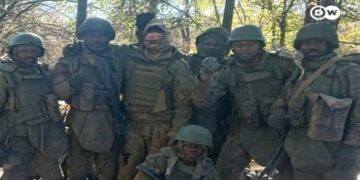














































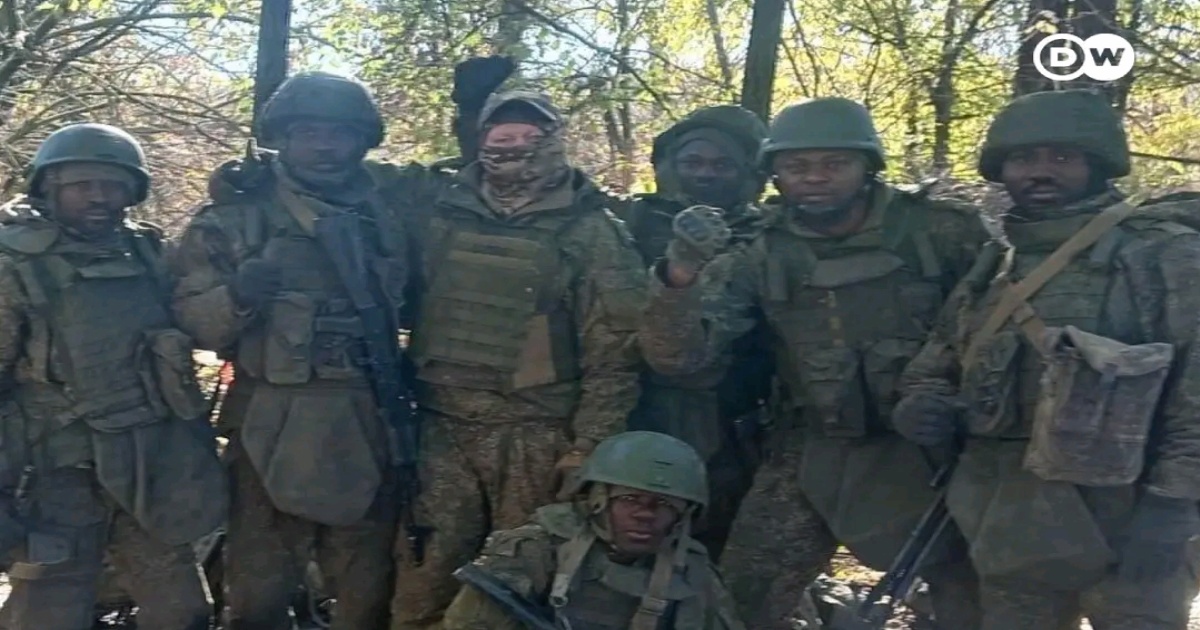
Amnesty International has accused Russia of luring foreigners, including Sierra Leoneans, into its army to fight in Ukraine under false job promises, in what it says often amounts to human trafficking.
In a briefing published on 10 September 2026, the rights group said Russian recruiters target economically vulnerable people from low-income countries in the Global South. They use deception, coercion and exploitation: false offers of civilian work in security, logistics, construction, IT or similar fields, high salaries, and fast-track Russian citizenship. Once recruits arrive or are already in Russia, passports and phones are often confiscated, they are made to sign contracts in a language they do not understand, given little training (sometimes just two weeks), and sent towards the front lines. Those who try to leave face threats.
Amnesty based its findings on interviews with prisoners of war from Brazil, Colombia, Cuba, Egypt, Sierra Leone, Somalia, South Africa and Sri Lanka held in two Ukrainian camps between 2024 and 2026, plus accounts from people still serving with Russian forces, their families, lawyers and activists. Sierra Leoneans were among those recruited from outside Russia who described being promised ordinary jobs only to be pushed into military service on arrival.
Earlier independent reporting has documented individual Sierra Leonean cases matching this pattern. One former Sierra Leonean soldier who had served more than a decade at home travelled to Russia seeking better-paid civilian work to support his family; he was instead taken to a military base, given brief training and sent into combat before being captured. Similar stories involve other Africans offered security or driving roles.
Ukraine estimated that by April 2026 it had identified more than 28,000 foreigners from 136 countries who had fought in the Russian army (excluding regular North Korean units). Amnesty said it could not independently verify the total. Russia has not issued an immediate public response to the Amnesty allegations.
Amnesty’s Secretary General Agnès Callamard described the practice as using foreign nationals as “cannon fodder” and called it human trafficking under the UN Palermo Protocol in many of the documented cases.
The group urged Russia to stop the abusive recruitment methods and called on affected countries to issue clear public warnings, protect their citizens and pursue accountability for recruiters and intermediaries.
Sierra Leone maintains diplomatic relations with Russia, and Moscow has previously expressed appreciation for Freetown’s balanced stance on the conflict. No official Sierra Leone government response to the latest Amnesty findings was immediately available. Citizens offered overseas jobs, especially via social media or agents promising work in Russia or related countries, are being urged to exercise extreme caution and verify opportunities through official channels.