






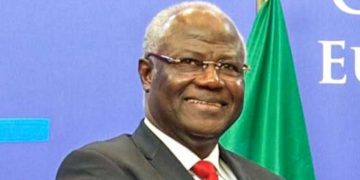





FREETOWN – Former President Ernest Bai Koroma has signalled his readiness to work with Sierra Leone’s Independent Commission for Peace and National Cohesion on preventive peacebuilding, early warning systems, dialogue and national unity.
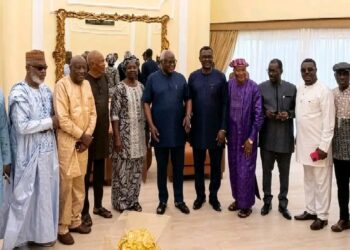
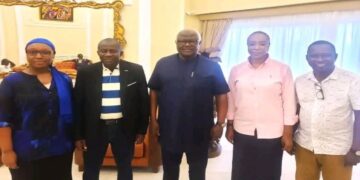
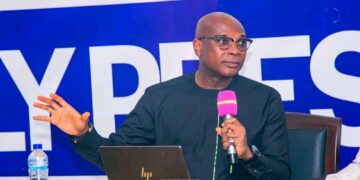
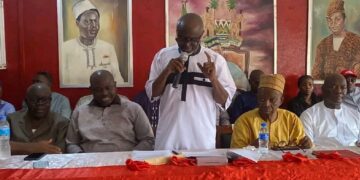
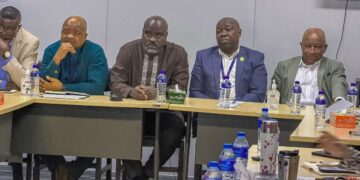
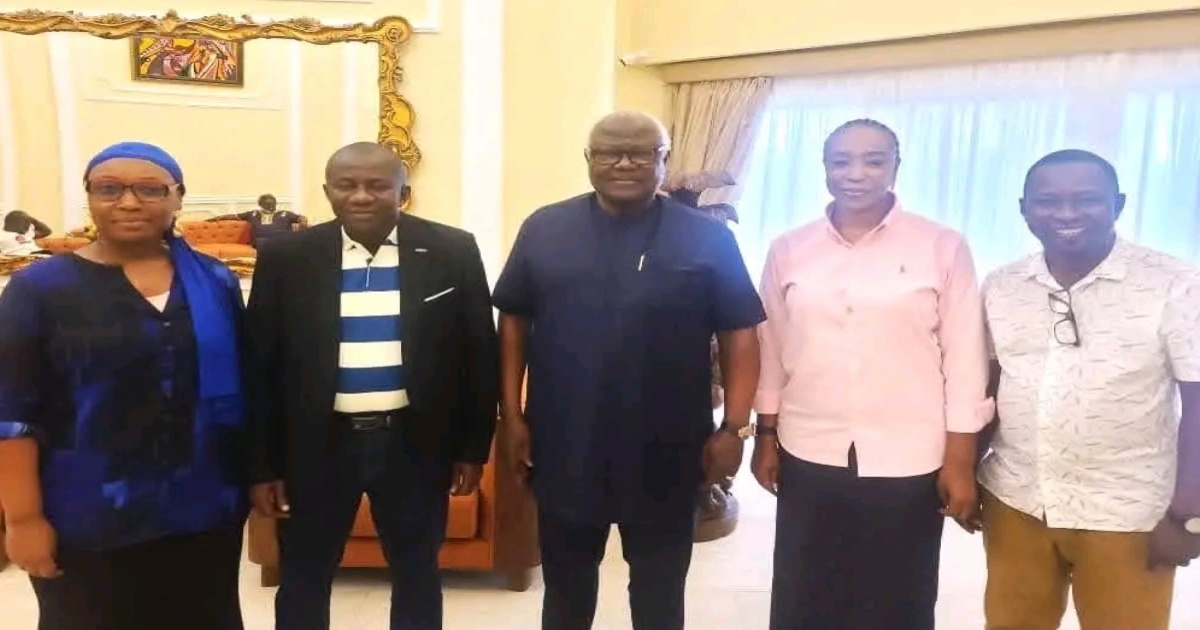
The commitment was made Thursday, 12 September 2026, when a high-level delegation from the Commission visited the former head of state shortly after his return to the country. The team was led by Board Chairman Reverend Shodankeh Johnson and included Executive Secretary Hawa Sally Samai, Director of Conflict Prevention Adikalie Sheku Kamara and Deputy Director of Communications and Outreach Hawa Barrie.
Reverend Johnson welcomed Koroma home and thanked him for remaining engaged with government and other national actors.
He pointed to Sierra Leone’s relative stability in recent years and said the Commission values partnerships with experienced figures who can help deepen national cohesion.
Koroma expressed pleasure at being back and made clear that his return carries no official role.
“I have come back as a retired president,” he said, adding that he intends to focus on peace, national cohesion and development. He urged greater investment in preventive work rather than waiting for crises to erupt.
Periods of calm, he argued, offer the best chance to spot early warning signs, address grievances and strengthen relationships before disputes escalate.
He cautioned against a “fire brigade” approach to conflict and encouraged the Commission to keep building robust early-warning and prevention mechanisms.
Koroma also revealed plans to establish a foundation dedicated to peace, good governance and democracy, noting that he has already informed President Julius Maada Bio of the initiative.
He suggested the foundation could open avenues for practical collaboration with the Commission. Drawing on the experience of the West African Elders Forum, he said former leaders across the region have shown how their knowledge can support dialogue and mediation when institutions need complementary support.
Executive Secretary Hawa Sally Samai briefed Koroma on the Commission’s shift toward prevention during its five years of operation. Early interventions had been largely reactive, she explained, but experience showed that responding only after conflicts intensify is neither sufficient nor sustainable.
The Commission has therefore prioritised community-based structures, including Peace Monitors, Peace Mediators, Paramount Chiefs, civil society groups and district peace coalitions.
Citizens can report emerging tensions through the Commission’s 898 toll-free hotline. Samai also described ongoing research into the root causes of chiefdom-level disputes and a pilot project supported by the United Nations Development Programme. Engagement with schools and universities aims to foster a culture of peace among young people.
At the national level, the Commission is reviewing progress on key post-war agreements and recommendations, including those of the Truth and Reconciliation Commission. An update on TRC implementation is expected before the end of 2026. Work continues on the Tripartite Committee recommendations, the Agreement for National Unity and the Lomé Peace Agreement.
As the Commission approaches its fifth anniversary, Samai said it will continue to draw on the insights of respected national figures, including Koroma. A Peace and National Cohesion Symposium is planned for October 2026 as part of the anniversary activities.
Both sides closed the meeting by affirming their willingness to explore concrete areas of cooperation. Koroma reiterated that lasting peace in Sierra Leone depends on sustained investment in prevention, dialogue and cooperation—even when the country appears calm.