















































Freetown, September 4, 2026— In a major diplomatic victory for Sierra Leone, the United Nations General Assembly has adopted a resolution establishing an International Day for the Elimination of Child, Early and Forced Marriage.
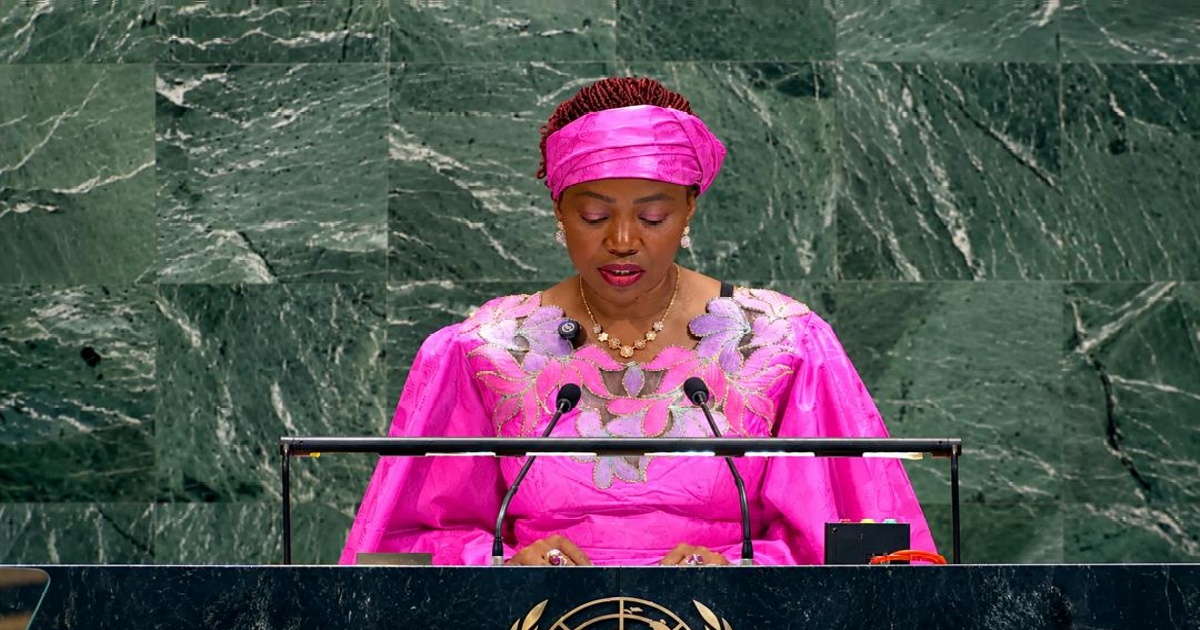
The landmark proposal was tabled and championed by First Lady Dr. Fatima Maada Bio.
The resolution designates November 27 each year as the day for global action, awareness, and coordinated efforts to end the practice. It aims to focus international attention, strengthen laws and policies, mobilise resources, and share successful strategies to protect girls.
First Lady Bio, who also serves as President of the Organisation of African First Ladies for Development (OAFLAD), presented the draft at the UN Headquarters in New York today. She has long described child, early and forced marriage as a form of “legalised rape” that steals girls’ education, health, dignity, and future contributions to their communities and nations.
This success builds directly on her earlier international advocacy. In 2022, she played a leading role in securing UN recognition of November 18 as the World Day for the Prevention of and Healing from Child Sexual Exploitation, Abuse and Violence. Domestically, her “Hands Off Our Girls” campaign helped drive the historic Prohibition of Child Marriage Act, signed into law by President Julius Maada Bio in 2024. The law makes marrying anyone under 18 a serious offence, punishable by lengthy imprisonment or heavy fines.
Sierra Leone previously recorded some of the highest rates of child marriage in the world, with roughly one in three girls married before age 18. The practice has been linked to school drop-outs, early pregnancy, higher maternal mortality, and cycles of poverty. The 2024 ban and continued community work mark significant progress, though enforcement and changing social norms remain ongoing priorities.
Globally, an estimated 12 million girls are still married before the age of 18 every year. The new International Day is intended to keep pressure on governments to meet the Sustainable Development Goal target of ending the practice by 2030.
For many Sierra Leoneans, today’s UN decision represents more than a diplomatic achievement. It is a personal victory for the First Lady, who herself narrowly escaped a forced marriage as a teenager during the civil war years and later sought asylum in the United Kingdom. Her lived experience has shaped a sustained national and continental campaign that has now helped place Sierra Leone at the centre of a global effort to protect girls.
The Office of the First Lady has described the adoption as further evidence of Sierra Leone’s growing leadership on the international stage in defending the rights and futures of girls and young women.