




























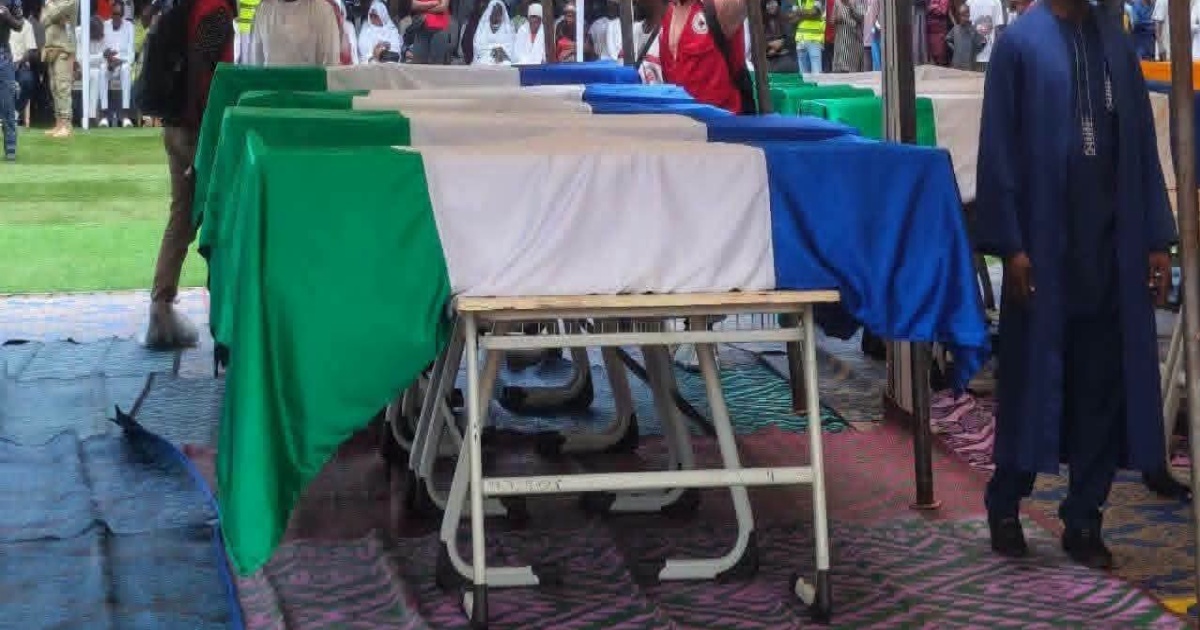
Seventeen Sierra Leonean nationals were among the 36 people laid to rest on Friday, September 4, 2026, in a mass burial ceremony in Conakry, Guinea, following the deadly collapse of the Dar-es-Salam landfill.
The funeral took place at the Turkish Mosque in Bambeto, where the bodies were laid out in the courtyard. Government officials, mayors, administrative authorities, diplomatic representatives and thousands of mourners attended. The victims were later buried at the Martyrs’ Cemetery in Bambeto.
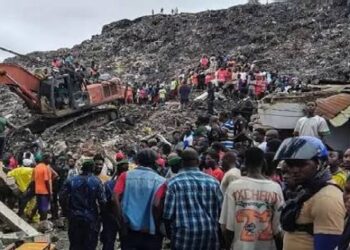
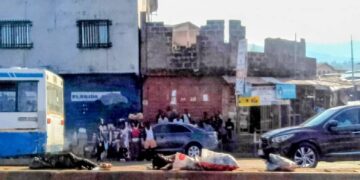
The tragedy struck in the early hours of August 23, 2026, when a massive mound of rubbish at the Dar-es-Salam landfill collapsed after heavy rains. The landslide buried several homes near the site, killing residents and devastating surrounding communities. The final death toll stood at 36, including 17 Sierra Leoneans. Many of those who died were young, and children were among the victims. At least 33 people were injured, six of them seriously, while more than 1,600 families were displaced.
Residents had repeatedly raised concerns about the dangers of the landfill. Community activist Abou Hamza said young people organised meetings and invited officials to address the risks, but their warnings were not taken seriously.
“We young people did everything to prevent this. We organised meetings and invited officials, but they didn’t take the matter seriously,” he said.
The Guinean government had announced plans to close the landfill on the same day the disaster occurred. Eviction notices had been issued to residents in the days before, yet many families remained in the area when the mound collapsed.
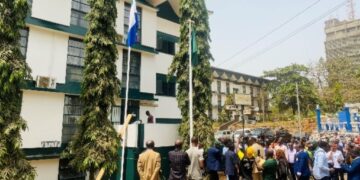
Guinea declared a National Day of Mourning, with flags flown at half-mast. Prime Minister Amadou Oury Bah led the government delegation at the funeral.
Sierra Leone was represented by a high-level delegation headed by Minister of Foreign Affairs and International Cooperation Mohamed Rahman Swarray. The team paid respects to the victims, conveyed condolences to the affected families, and thanked Guinean authorities for their assistance in identifying and supporting Sierra Leonean nationals.
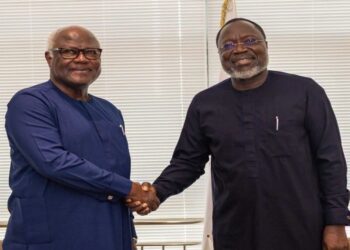
Minister Swarray also reaffirmed the strong ties and continued cooperation between Sierra Leone and Guinea.
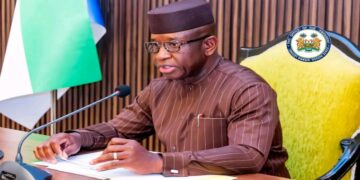
In Freetown, President Julius Maada Bio expressed deep condolences to Guinea’s transitional president, Mamadi Doumbouya, and to the bereaved families. He described the incident as a “profound tragedy.”
The Sierra Leonean government has pledged support for the affected families and is working with Guinean authorities on the safe repatriation of the Sierra Leonean victims.
The disaster has intensified calls for accountability and better protection of communities living near hazardous waste sites. Guinean opposition figure Cellou Dalein Diallo called it “a tragedy that plunges us into dismay” and demanded a full and transparent investigation.
As families bury their loved ones, pressure is growing on authorities to strengthen waste-management systems, enforce safety rules and address the housing needs of people living close to dangerous sites. For the relatives of the 36 victims, including the 17 Sierra Leoneans, Friday’s mass burial marked the painful close of the search and identification process and the start of a long period of mourning.