

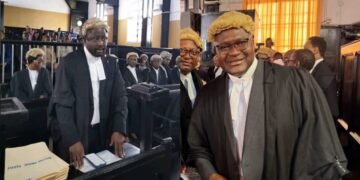






























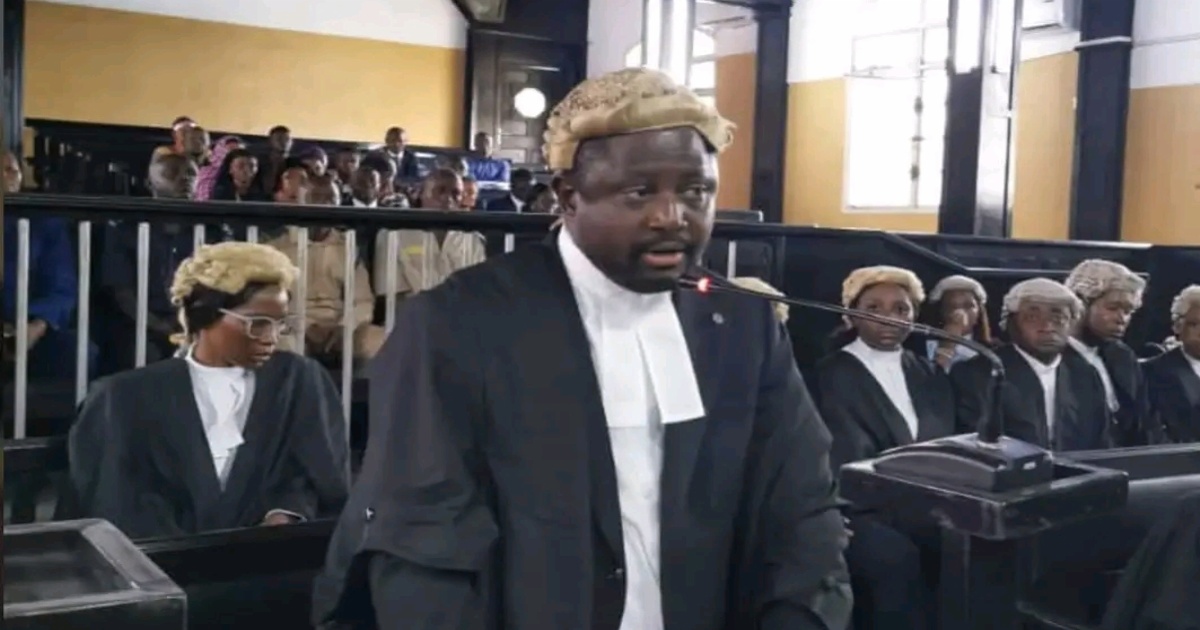
FREETOWN, 20 October 2026 – The Supreme Court of Sierra Leone has struck out a motion filed by the Attorney-General and Minister of Justice, Alpha Sesay seeking to dismiss the constitutional reference on the procedure for amending the 1991 Constitution.
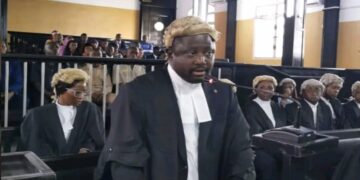
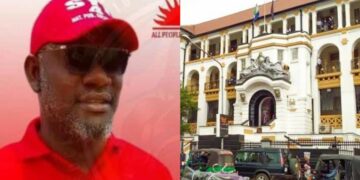
Delivering the ruling, Chief Justice Komba Kamanda said the Court lacks jurisdiction to entertain the application and described it as an attempt to forestall proceedings after directions had already been issued and the matter set down for substantive hearing.
The ruling is the latest in a tense and closely-watched case that will determine the fate of the Constitution of Sierra Leone (Amendment) Bill, 2025.
What is before the Court?
The Court is hearing three consolidated cases:
1. A Presidential Reference filed by President Julius Maada Bio under Section 122(1) after he received the Bill for assent;
2. A Reference from Speaker of Parliament Segepoh Solomon Thomas under Section 124; and
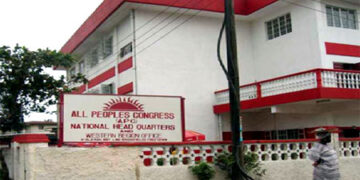
3. Actions filed by APC MPs Hon. Osman Timbo, Hon. Abdul Kargbo, Hon. Daniel Koroma and the All Peoples Congress (APC), and by the Institute for Governance Reform (IGR).
All centre on whether Parliament lawfully passed the Amendment Bill on 10th August 2026.
On that day, Speaker Thomas ruled that non-entrenched provisions of the Constitution could be amended under Section 91(1) – by a simple majority of MPs present and voting. The Clerk of Parliament certified the Bill passed with 97 votes.
The APC and other plaintiffs argue that Section 108(2)(b)* of the 1991 Constitution is the specific provision for constitutional amendments and requires “the votes of not less than two-thirds of Members of Parliament” – which is 100 of the 149 MPs. They say 97 votes was short, and the APC walkout cannot cure the defect. They also argue the Bill was not properly published as required by Section 108(2)(a).
The Attorney-General had argued for dismissal of the reference and for consolidation of the matters. The Court overruled an earlier objection by APC counsel Joseph Fitzgerald Kamara (JFK) that the AG had not filed a Statement of Case, and allowed the AG to be heard, but on Monday struck out the AG’s subsequent motion to throw out the reference itself.
The Bill itself seeks to change several provisions, including reducing the presidential winning threshold from 55% to 50% plus one vote, among other electoral reforms. President Bio did not assent but referred the question to the Supreme Court following a petition by IGR, saying he needed the Court’s interpretation before acting.
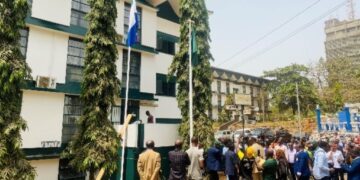
The case, being heard by a five-member panel led by Chief Justice Kamanda, is being broadcast live for the first time in Sierra Leone’s history and has attracted huge public interest.
Chief Justice Kamanda assured last week that “the Supreme Court will deliver judgments on all matters” and that the Court is not a political forum.
The matter has been adjourned for continuation of substantive arguments on Sections 91 and 108 – whether a general voting rule can override a specific constitutional amendment procedure, and whether Parliament can determine the constitutionality of its own proceedings to the exclusion of the Supreme Court under Sections 124 and 127.
The eventual judgment will set a lasting precedent on how Sierra Leone can amend its Constitution, particularly non-entrenched clauses.