

















Freetown, July 28, 2026 — The Parliament of Sierra Leone is set to resume debate and vote today on the Constitution of Sierra Leone (Amendment) Act 2025, a major package of electoral reforms with far-reaching implications for the country’s democratic framework ahead of the 2028 general elections.
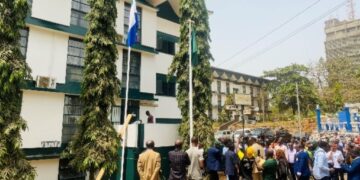
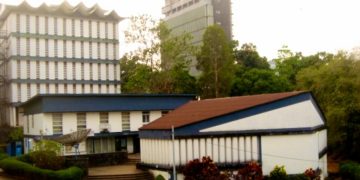
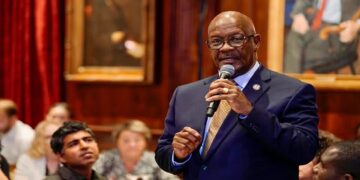
Parliamentarians, ministers, local and foreign dignitaries, and members of the media are assembled in the Chamber, awaiting the arrival of the Speaker to begin proceedings scheduled for 10:00 a.m. The Office of the Clerk of Parliament confirmed the sitting follows earlier deliberations and a directive from the Speaker on the ongoing legislative process.
The bill, which seeks to amend the 1991 Constitution (Act No. 6 of 1991), stems from recommendations of the Tripartite Committee established after the contested 2023 elections and the National Peace and Unity Agreement. It focuses primarily on non-entrenched electoral provisions, while more fundamental changes would require a national referendum. Passage at both second and third readings demands a two-thirds majority of all Members of Parliament.
Key proposals include:
– Establishing a Search and Nomination Committee to recommend candidates for the National Electoral Commission (formerly the Electoral Commission). The committee would draw members from the Inter-Religious Council, the legal profession, civil society, the private sector or labour groups, the media, youth organisations, and women’s groups, aiming to enhance independence and transparency in appointments.
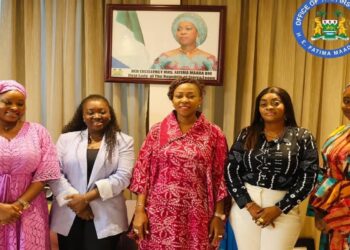
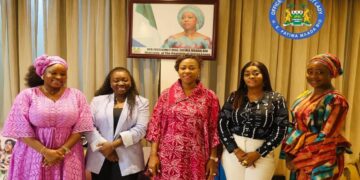
– Introducing a mandatory 30% quota for women among political party nominees for national and local government elections, aligning with the Gender Equality and Women’s Empowerment (GEWE) Act 2022 and international commitments. First Lady Fatima Maada Bio has publicly urged MPs to support provisions strengthening women’s inclusion, particularly under proportional representation.
– Creating a legal pathway for independent presidential candidates who are not members of any political party and can demonstrate “sufficient financial capacity and community support” as prescribed by law.
– Empowering the Political Parties Regulation Commission to deregister parties that fail to win any national or local elected office in two consecutive general elections.
Additional reforms address the electoral system by consolidating proportional representation (PR) elements, building on the temporary district-block PR used in 2023, while setting fixed election dates (the second Saturday in November every fifth year) and adjusting presidential victory thresholds toward a simple majority with geographic spread requirements.
Civil society and oversight bodies have engaged actively. The Human Rights Commission of Sierra Leone (HRCSL) submitted a position paper welcoming the Search and Nomination Committee and women’s quota but recommended that committee members be appointed by their institutions rather than the President, and that independent candidates face the same nomination fees as party candidates rather than a vague “financial capacity” test. Other groups, including ILRAJ, have raised concerns that key details of the PR system are deferred to future legislation and that the process risks insufficient public scrutiny if stages are compressed into a single sitting.
Supporters view the package as a critical step toward more inclusive, credible elections and reduced post-election tension. Critics caution that rushed passage, residual ambiguities, and shifts away from first-past-the-post representation could affect accountability and public confidence. The outcome will shape Sierra Leone’s electoral architecture and democratic trajectory for years to come.