

















































Sierra Leone and Liberia are set to commence construction of a major $364 million cross-border road corridor aimed at improving regional connectivity, enhancing trade, and deepening economic integration within the Mano River Union.
The 255-kilometre corridor, scheduled for groundbreaking on Saturday, April 18, will connect Montserrado County, which hosts the capital, Monrovia, to key border points, creating new pathways for commerce and transportation. The project features a 38-kilometre toll road stretching from St. Paul Bridge to Klay, alongside 217 kilometres of non-toll roads.
The contract has been awarded under a 25-year Design, Build, Operate and Transfer (DBOT) concession to Pavifort Al Ltd, marking a significant step for indigenous private sector participation in large-scale regional infrastructure. Under the agreement, the company will finance 60 percent of the project, while the Liberian government will fund the remaining 40 percent through its National Road Fund, backed by a $100 million guarantee.
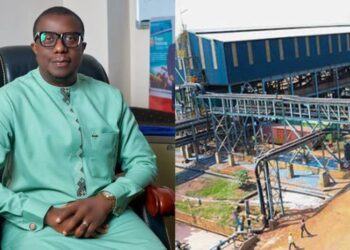
Chairman and CEO of Pavifort, Alimou Sanu Barrie, described the development as a milestone for Sierra Leonean engineering, pledging that the project will meet international standards.
The initiative aligns with Liberia’s national development strategy, which prioritizes road infrastructure as a key driver of economic growth. With more than 88 percent of Liberia’s road network currently unpaved, improving transport systems is seen as critical to reducing costs and expanding access to markets and services. Previous assessments have also highlighted that limited road access continues to affect a significant portion of the population.
Planned upgrades include the expansion of the St. Paul Bridge, Klay highway into a four-lane carriageway, along with improvements to major routes such as Klay–Bo Waterside, Klay–Tubmanburg, and Madina Junction–Robertsport.
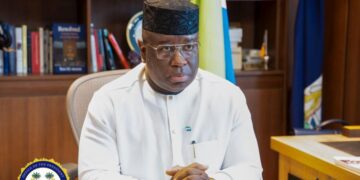
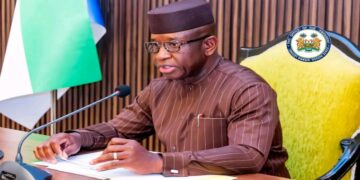
The groundbreaking ceremony will take place at the Bo-Waterside Border Post and will be jointly officiated by Julius Maada Bio and Joseph Nyuma Boakai Sr., highlighting the project’s importance to both nations.
Beyond infrastructure development, the corridor is expected to create employment opportunities, ease cross-border movement, and stimulate trade across the sub-region, while also showcasing Sierra Leone’s growing capacity to execute large-scale international projects.