















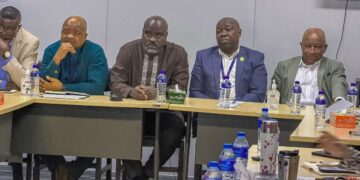

















Freetown, August 10, 2026 — Sierra Leone’s Parliament is expected to vote today on the Constitution of Sierra Leone (Amendment) Bill, 2025, the most significant proposed overhaul of the 1991 Constitution in more than a decade.
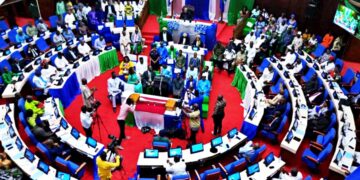
The vote comes after weeks of intense debate that began in late July. Lawmakers completed the Second Reading in the early hours of 29 July following a marathon session and have since examined the bill clause by clause in the Committee Stage. Proceedings were adjourned several times, most recently until Monday, 10 August.
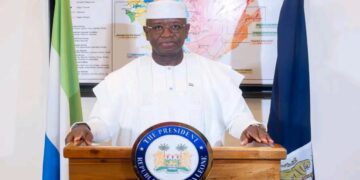
On Sunday, President Julius Maada Bio delivered a televised address urging Members of Parliament to support the bill. He described it as the outcome of years of national consultation, drawing on recommendations from the late Justice Edmond Cowan Constitutional Review Committee and the Tripartite Committee established after the contested 2023 elections.
Bio called on lawmakers to “vote ‘Yes’—not for a party, not for an individual, but for the people and the future of democracy in Sierra Leone.”
Main proposals
The bill would reshape electoral rules, representation and institutional arrangements ahead of the 2028 general elections. Key provisions include:
– Reducing the first-round presidential victory threshold from 55 per cent of valid votes to a simple majority (50 per cent plus one), while requiring candidates to win at least 20 per cent of the vote in two-thirds of the country’s districts to avoid a runoff.
– Introducing district-block proportional representation for parliamentary seats, intended to increase opportunities for women, young people, professionals and minority groups.
– Establishing a minimum 30 per cent quota for women in political nominations.
– Setting a fixed date for parliamentary elections — the second Saturday in November every five years.
– Strengthening the independence of electoral bodies by renaming the Electoral Commission the National Electoral Commission and creating a Search and Nomination Committee for commissioner appointments.
– Allowing independent presidential candidates and introducing additional measures on political parties and institutional accountability.
Attorney-General and Minister of Justice Alpha Sesay has led the bill through Parliament, arguing that the changes address longstanding weaknesses in the electoral system, reduce the cost and tension of runoffs, and promote greater inclusion.
Political divisions
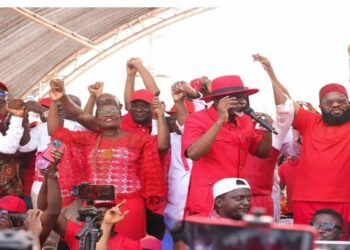
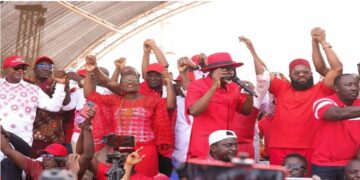
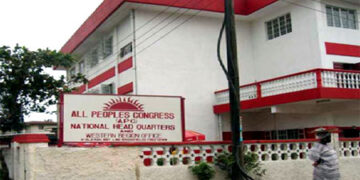
The proposals have split lawmakers. The ruling Sierra Leone People’s Party (SLPP) says the reforms will modernise democracy, improve representation and strengthen institutions. The main opposition All People’s Congress (APC) has opposed several core elements, particularly the lower presidential threshold and the shift to proportional representation. APC members argue that the existing 55 per cent requirement encourages candidates to seek broader national support and confers greater legitimacy on the winner. They have called for further consultation and wider consensus.
Civil society organisations, traditional leaders and some independent voices have also raised concerns. Critics of proportional representation note that its use in the 2023 elections coincided with a reduction in the number of parties and independent MPs represented in Parliament. Others warn that a geographic vote-spread requirement could increase tensions in certain districts. Supporters counter that the package builds on recommendations developed over more than a decade and includes safeguards for institutional integrity.
Under Sierra Leone’s Constitution, amendments require a two-thirds majority in Parliament. Changes to entrenched provisions would also need approval in a national referendum.
As Parliament reconvenes today, the result remains uncertain. Approval would represent a substantial revision of the country’s democratic framework; rejection or further delay would extend the long-running constitutional review process. The vote is expected to attract close national and international attention because of its implications for the 2028 elections and political stability.