









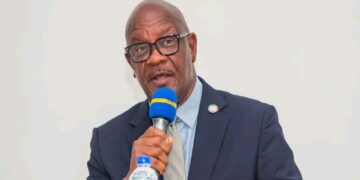





















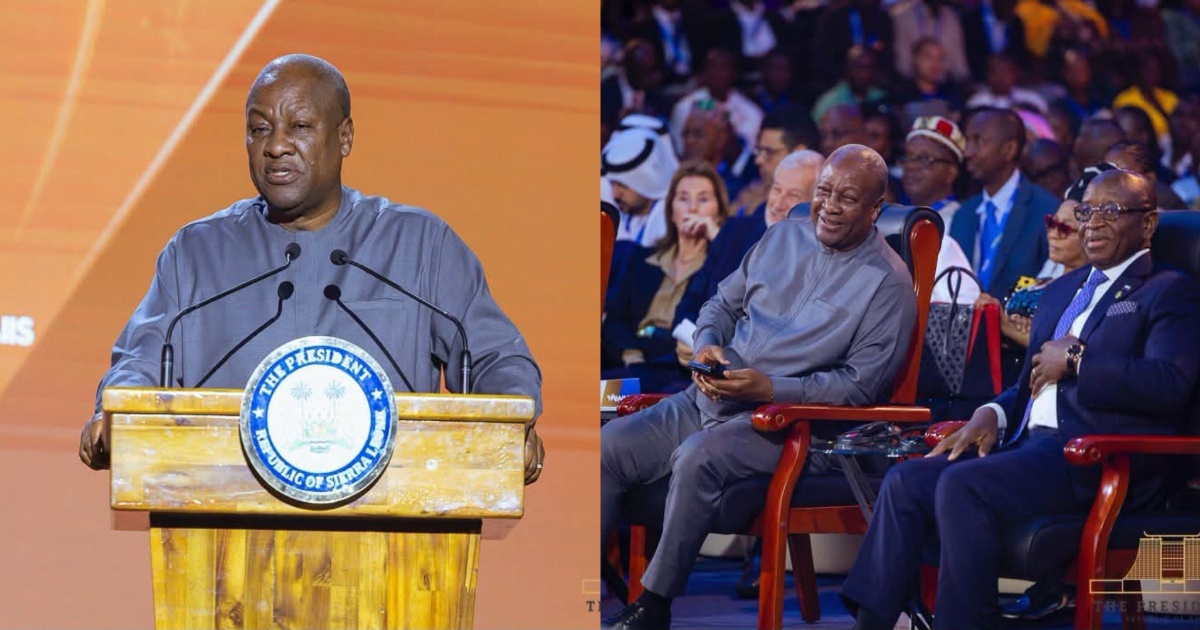
LUNGI, November 17, 2026 — Ghanaian President John Dramani Mahama has told leaders gathered in Sierra Leone that the country’s vast mineral wealth must benefit Sierra Leoneans first — not foreign companies.
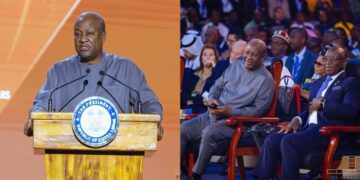
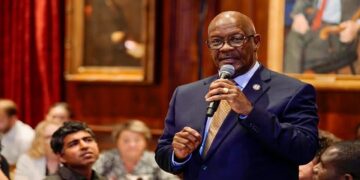
Speaking at the inaugural West Africa Integration and Investment Summit (WAIIS) at the Julius Maada Bio International Conference Centre in Lungi, Mahama said Africa had for too long signed away its resources in deals that enriched others while leaving mining communities in poverty.
“Sierra Leone is rich in minerals. You have critical minerals, you have iron ore, you have diamonds. Those minerals should serve the people of Sierra Leone, not foreign interests.”
“And when I talk of minerals, I’m not talking only of Sierra Leone. I’m talking of my own country.”
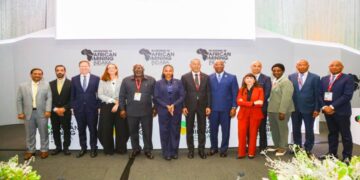
Mahama was a keynote speaker at the summit, convened under the leadership of President Julius Maada Bio, which brings together Heads of State, ministers, investors, development finance institutions and business leaders from across West Africa and beyond. The summit runs November 17-18 and is built around four pillars: energy, strategic minerals, agribusiness, and digital transformation.
The Colonial Concession Trap
Mahama traced the problem to what he called a “colonial inheritance” — a system where African governments are asked to grant concessions, often for 30 years, and the value flows out of the country.
“From our colonial inheritance, we were taught that people come and ask for concessions and we sign a concession, 30-year concession, and where does the value go? It goes to other [countries] to build wealth in other jurisdictions.”
He then painted a picture familiar to many in Kono, Tonkolili and Moyamba — districts that have hosted mining for nearly a century but remain among Sierra Leone’s poorest:
“And so you have a mine, and it is a profitable mine. The senior officers have their recreation ground, they have their lawn tennis courts, they have their swimming pools, they have their gyms. And just go look at the communities around the mine and see the level of poverty.”
“And so we are saying that African minerals must be a source of wealth and prosperity for African people.”
What Ghana Did — And Why Mahama Thinks It Matters For Sierra Leone
Mahama used Ghana’s own experience as an example of what can change when a government rewrites the rules.
He pointed to the creation of the Ghana Gold Board (GoldBod), a state-backed body set up to formalise artisanal and small-scale gold mining and control exports.
According to Mahama, artisanal gold production rose from 64 tonnes worth US$4.6 billion in 2024 to 104 tonnes worth US$10.8 billion after the GoldBod law came into force, because more gold was now going through official channels instead of being smuggled out.
He also said Ghana had moved away from a fixed 3% royalty for large-scale mining companies under old stability agreements to a sliding scale of 5% to 12%, depending on gold prices — generating GH¢7.8 billion in royalties since the law was passed.
His message to Sierra Leone and other African leaders was direct: review existing mining agreements, demand a greater share when prices rise, and make sure mining delivers tangible benefits to local communities.
Why This Lands In Sierra Leone
Sierra Leone is one of the most mineral-rich countries in West Africa — and one of the clearest examples of Mahama’s argument.
Minerals account for about two-thirds to 79% of the country’s export earnings, led by iron ore, diamonds, rutile, bauxite and gold. Yet more than half the population still lives in poverty, according to the African Development Bank, and many mining communities still lack clean water, good roads, schools and health centres.
Mining in Kono began in 1930. After nearly a century of extraction, residents say they have little to show for it except environmental damage and poverty — a history that includes diamonds fuelling the country’s 1991-2002 civil war.
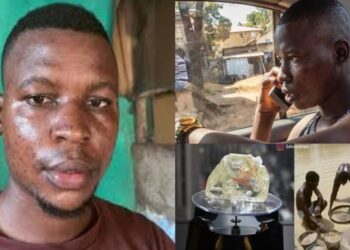
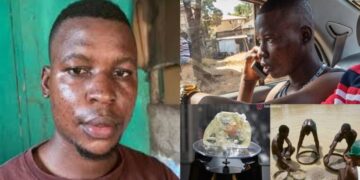
It is also a history Sierra Leoneans know personally. In 2017, 16-year-old Komba Johnbull found the 709-carat Peace Diamond in Kono, which sold for $6.5 million in New York. The promise was that the money would transform his village of Koyardu. Years later, residents say much of that promise remains unfulfilled.
Sierra Leone has tried to change the rules. The Mines and Minerals Development Act, 2022* strengthened requirements for community development agreements, local content, and transparency. The country is also a member of the Extractive Industries Transparency Initiative (EITI).
But enforcement remains a challenge — and that is exactly what Mahama was warning about.
Beyond Minerals: Integration Must Deliver For Ordinary People
Mahama also used the summit to challenge West African leaders to move ECOWAS from declarations to delivery.
ECOWAS was founded in 1975, but trade among West African countries remains just 12-15% of total trade — a figure that has barely moved for years, Mahama said. He called for stronger collaboration among governments, the private sector and financial institutions to mobilise capital for agriculture, mineral development, power and regional logistics.
President Bio, who hosted the summit, has framed WAIIS as a platform to turn a regional market of more than 400 million people — and access to 1.4 billion through the African Continental Free Trade Area — into real investment. Organisers say the summit arrived with a pipeline of *over US$180 billion* in projects, with 40 bankable projects selected from 220 identified.
For Sierra Leoneans watching in Lungi and at home, Mahama’s speech raised the question that will define the summit: will this time be different — will the next mine, the next concession, and the next investment deal finally leave more wealth in the communities where the minerals come from?