












































FREETOWN, 19 November 2026 – Nearly 1.1 million people in Sierra Leone—roughly one in every eight citizens—are living with hepatitis B, according to 2022 figures cited by health officials.
The high burden has pushed the Ministry of Health and its partners to introduce a free vaccine dose for every newborn, aimed at protecting 360,000 children and stopping the virus from passing from mother to child.
The birth-dose vaccine will be given within 24 hours of delivery at public health facilities nationwide. It was announced on Wednesday, 18 November, at the Expanded Programme on Immunisation (EPI) conference hall at Medical Stores in Freetown and is scheduled for official launch on 20 November.
Amanda Clemens, Social Mobilisation Coordinator at the EPI, told the meeting that national prevalence stands at 13.8 per cent. The highest rate—16.6 per cent—was recorded among people aged 30 to 44. Five of the country’s 16 districts carry a significant share of the cases.
Dr Desmond Maada Kangbai, EPI Programme Manager, said the new dose will become part of routine immunisation. Administering it so soon after birth is designed to interrupt mother-to-child transmission, the most common route of infection in young children.
He described the vaccine as safe and confirmed that any side effects would be managed under the free healthcare system. Caregivers were advised to call the toll-free 117 line in an emergency.
Deputy Minister of Health I, Dr Charles Senesie, said the scale of infection demands a stronger national response. He noted that the cold-chain system, including solar-powered equipment, is already in place to support the rollout. Sierra Leone, he added, is a vaccine-friendly country.
UNICEF Representative Liv Elin Indreiten pointed out that more than 90 per cent of babies are born in health facilities, creating a clear opportunity to reach newborns quickly. GAVI Senior Country Manager Maria Padkina called the vaccine lifesaving, stressing that a dose within 24 hours can prevent both immediate infection and liver cancer later in life. She outlined GAVI’s support, including previous vaccine assistance of US$80 million and new commitments of US$10 million in cash plus more than US$50 million in vaccines for 2026–2030.
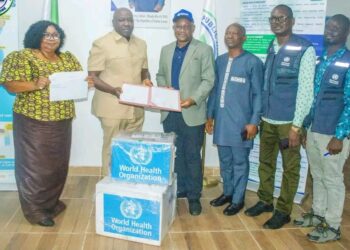
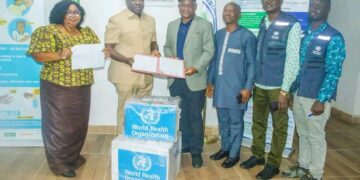
Dr Thompson Igbu of the World Health Organization urged the government to ensure every eligible child is reached, with proper training and supervision of health workers. Musa of the civil society group FOCUS 1000 welcomed the initiative and reaffirmed the organisation’s commitment to the health of women and children.
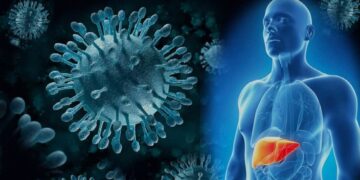
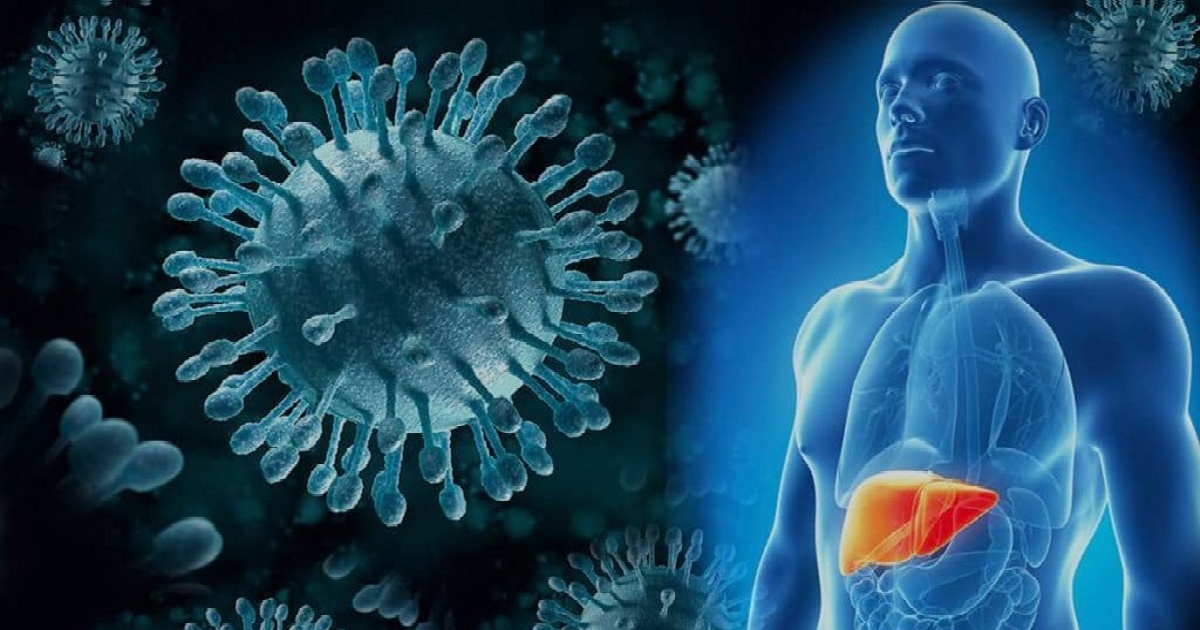
Hepatitis B is a viral infection that attacks the liver. It can become chronic and lead to serious damage, cirrhosis or liver cancer. It spreads through infected blood and body fluids, including from mother to baby at birth. Health officials say a timely vaccine can prevent it.
The new birth dose offers a practical chance to protect the next generation. Whether it reaches all 360,000 targeted newborns will depend on health workers delivering it on time and families trusting and using the free service.