
























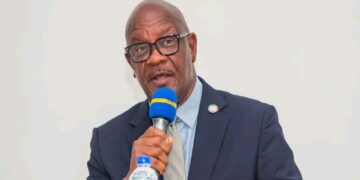



























Freetown, 12 November 2026 – An estimated 1.25 million Sierra Leoneans were living with a mental disorder in 2023, Health Minister Dr Austin Demby has revealed, underscoring the urgent need for Parliament to pass the Mental Health Act 2026.
Citing the Global Burden of Disease study, Dr Demby told lawmakers during the debate on the bill that about 15 out of every 100 people in the country struggle with a mental health condition. The same study recorded 794 deaths from suicide and self-harm that year.
The Minister said the high numbers reflect the lasting impact of the 11-year civil war, the Ebola outbreak, COVID-19 and Mpox. A 2024 nationwide study also found that about 17.2 per cent of young people use Kush, while roughly 62 per cent of Sierra Leoneans have used at least one psychoactive substance.
Despite the scale of the problem, treatment remains critically limited. Dr Demby disclosed that an estimated 98 per cent of people with severe mental illness currently receive no care. Sierra Leone’s specialist workforce consists of only four psychiatrists, seven psychiatric residents and 35 mental health nurses for a population of more than nine million.
“For 124 years, Sierra Leone has relied on the Lunacy Ordinance of 1902, which permits detention so long as he continues to be insane. Our understanding of care has moved forward; our law has not,” the Minister said. He noted that other African countries have already replaced their colonial-era mental health laws, including Ghana (2012), Liberia (2017), Kenya (2022) and Nigeria (2023).
The proposed Mental Health Act seeks to repeal the outdated ordinance and introduce stronger safeguards against abuse, unlawful restraint and arbitrary detention. It provides for patient consent, confidentiality of medical information, district mental health coordinators, facility standards and closer collaboration among health, education, justice and social welfare institutions. The law also aims to reduce the stigma that remains widespread in communities.
Funding for mental healthcare remains extremely low. The Mental Health Department receives less than 0.0001 per cent of the national health budget. Studies show that every dollar invested in mental healthcare returns about four dollars in economic benefit.
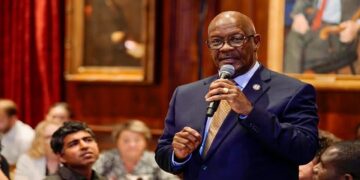
Opposition Minority Whip Hon. Abdul Karim Kamara supported the call for greater attention and resources. “This is no longer a secret. We see our young people languish on the streets. Mr Speaker, our allocation to this sector needs to be improved,” he told Parliament.
Dr Demby said the Ministry is training more specialised nurses and plans to employ additional psychiatric specialists, with more than 150 people currently undergoing training. A free 5116 helpline is also available for those seeking help.
The bill has been committed to the legislative stage, where Members of Parliament will examine it clause by clause before final passage.