











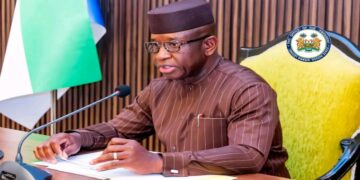


















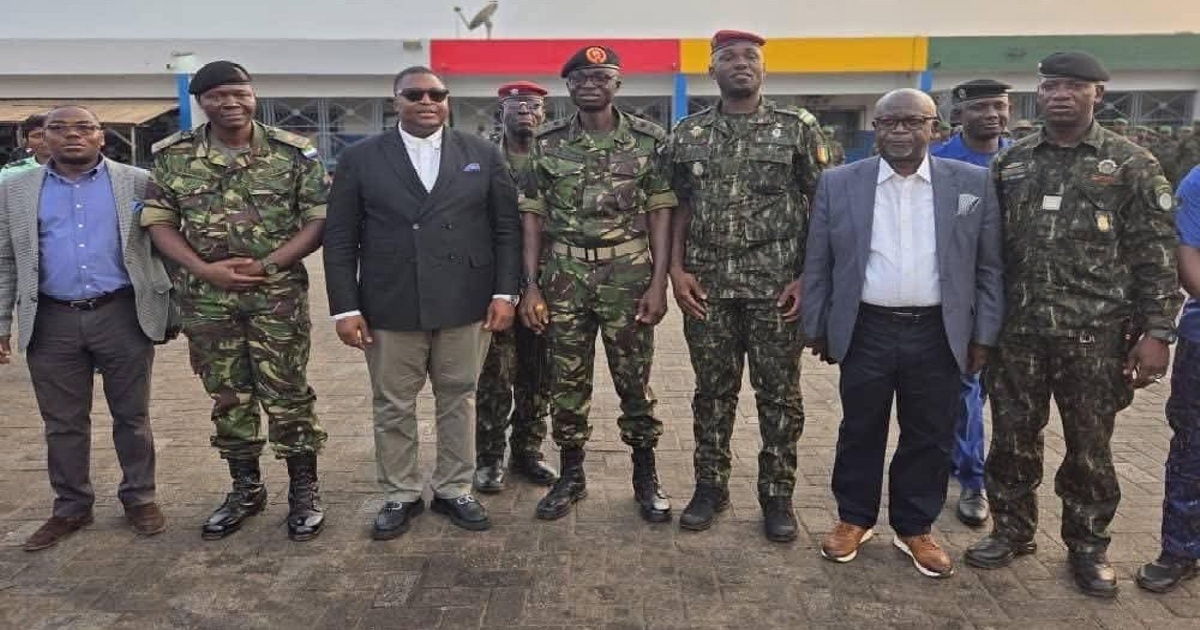
Conakry/Freetown – February 27, 2026 — Sierra Leone’s Minister of Foreign Affairs and International Cooperation, Timothy Musa Kabba, has arrived in Guinea’s capital for intensive diplomatic engagements aimed at securing the unconditional release of 16 detained Sierra Leonean security personnel and de-escalating a fresh flare-up along the volatile shared border.
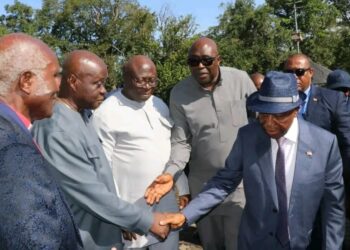
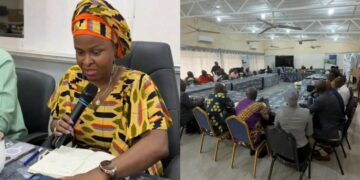
Kabba is leading a high-level delegation in direct talks with his Guinean counterpart, a move widely seen as a critical step toward peaceful resolution between the two Mano River Union neighbours. His presence in Conakry, where he has already been warmly received by Guinean officials, underscores Freetown’s commitment to dialogue over confrontation amid a decades-old territorial dispute.
The crisis erupted in the early hours of Monday, February 23, 2026 (with some accounts citing Sunday, February 22), in the remote border village of Kaliyereh, Sulima Chiefdom, Falaba District, Northern Sierra Leone.
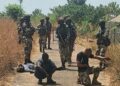
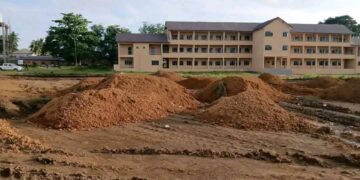
According to Sierra Leone’s account, a joint team of Republic of Sierra Leone Armed Forces (RSLAF) soldiers and police officers, including a captain and members of the Operational Support Division, were lawfully constructing a border post and accommodation facilities inside recognised Sierra Leonean territory when Guinean forces crossed the border, apprehended them, seized their arms and ammunition, and transported them to Conakry.
Guinea’s military offers a sharply contrasting version. In an official communiqué, the Guinean General Staff stated that approximately 16 Sierra Leonean personnel had advanced unauthorised approximately 1.4 kilometres into Koudaya District, Sandénia Sub-Prefecture, Faranah Prefecture. They allegedly erected tents and raised the Sierra Leonean flag before being detained, with equipment confiscated and the individuals handed over to judicial police for investigation.
The Republic of Sierra Leone Armed Forces (RSLAF) Defence Spokesman, Air Commander Hassan Sei Coomber, publicly confirmed the arrests in a February 24 interview on Radio Democracy, noting that the personnel had been maintaining a checkpoint when Guinean troops demanded proof of ownership and subsequently took them into custody. Circulating video footage reportedly shows injured officers describing the encounter, including claims of physical assaults.
This incident is the latest chapter in a long-running border disagreement dating back to Sierra Leone’s 1991–2002 civil war, during which Guinea deployed troops to assist Freetown. The disputed Yenga area along the Makona River in Kailahun District has been a persistent flashpoint; Guinea occupied it during the conflict, and despite a 2005 memorandum recognising it as Sierra Leonean territory and a 2012 demilitarisation agreement, full demarcation remains incomplete. In March 2025, both governments agreed to accelerate boundary mapping using historical treaties from as far back as 1885.
In response to the latest standoff, Sierra Leone has dispatched a fact-finding team to the area, briefed regional and sub-regional bodies, and emphasised diplomatic channels to ensure the detainees’ safe return. An Extraordinary Session of the ECOWAS Parliament in Abuja on February 24 also heard concerns from Sierra Leonean lawmakers about the incursion.
As Kabba engages his Guinean counterpart, both nations have reportedly reinforced troop presence along the 794-kilometre frontier, raising fears of further escalation in a region already strained by security and resource issues.
The detained personnel remain in Guinean custody as talks continue, with Freetown expressing confidence that high-level diplomacy will prevail.