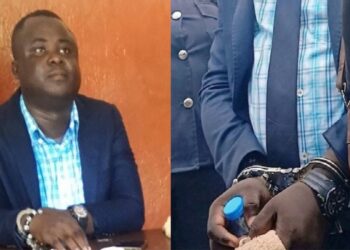






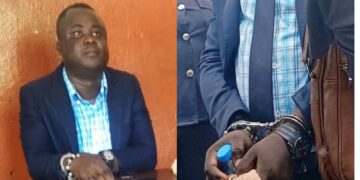




















































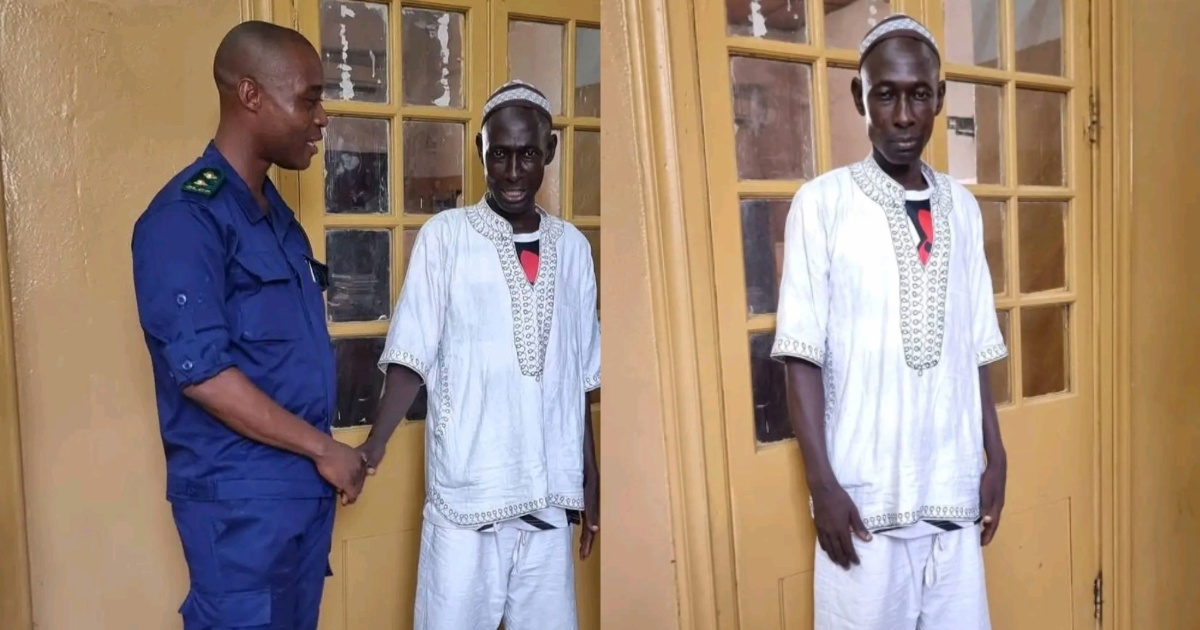
Freetown, Sierra Leone – Abu Kamara, a man who endured more than a decade behind bars without ever facing a judge or being formally charged, walked free from Pademba Road Correctional Centre this week after 12 years of unlawful detention.
Kamara’s ordeal began in 2014 in Makeni, Bombali District, where he was working in the timber business. According to his account, he entrusted his life savings, 25,000 New Leones, along with several personal belongings, to a police officer identified as Mohamed, whom he believed he could trust. Instead of safeguarding the money, the officer allegedly betrayed that trust, an act that ultimately led to Kamara’s arrest and detention.
He was never taken to court. No trial was held. No opportunity was given for him to defend himself. For 12 long years, Kamara remained forgotten in one of Sierra Leone’s most notorious prisons, missing irreplaceable moments with his family and watching his dreams slip away.
His release has sparked widespread outrage on social media and renewed calls for accountability within Sierra Leone’s justice system, which has long been criticised for prolonged pre-trial detentions, prison overcrowding, and cases of people “disappearing” in the system for years.
Pademba Road Prison, originally built for around 300 inmates, has frequently held over 2,000 prisoners, many of whom are remand inmates awaiting trial.
Human rights organisations have repeatedly highlighted cases similar to Kamara’s, where individuals are held for extended periods without judicial oversight, sometimes due to lost files, corruption, or systemic negligence.
While Kamara is now free, the years stolen from him cannot be returned. Supporters are urging authorities to investigate the police officer involved and provide compensation or support for his rehabilitation. His story has become a painful symbol of justice delayed and, for many, justice denied.
Kamara’s case adds to growing pressure on the Sierra Leone government and judiciary to implement meaningful reforms in the criminal justice system to prevent such human rights violations from recurring.