
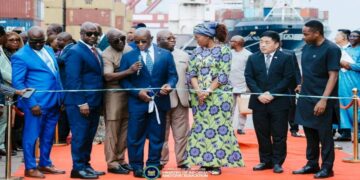






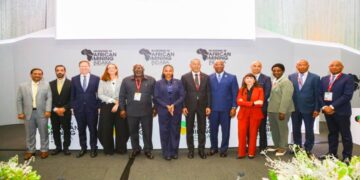



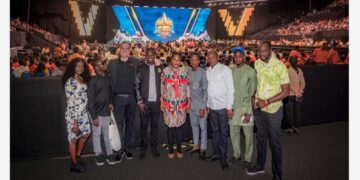





















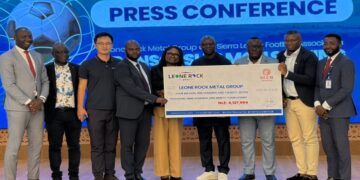



In a significant step toward strengthening bilateral cooperation and advancing renewable energy solutions, the Government of Sierra Leone and leading South Korean companies signed a Memorandum of Understanding (MOU) to promote solar energy projects in Sierra Leone. The signing ceremony took place at the Hyatt Hotel in Seoul.
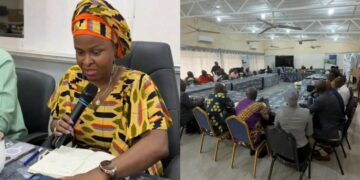
The event was attended by key stakeholders, including representatives from the Sierra Leone Embassy in Korea, the Minister of Youth of Sierra Leone, the Sierra Leone Economic Commission, Hyunmyung Group Chairman Baek Hyun-joo, Vice Chairman of the World Cultural Economy Forum Lee Seong-woo, and Wangsan Electric Solar CEO Park Byeong-hee.
Tackling Sierra Leone’s Energy Challenges
Despite its abundance of natural resources, Sierra Leone, located in West Africa, continues to struggle with unstable power supplies. Many regions across the country urgently seek reliable energy solutions. In this context, solar energy is emerging as a promising, environmentally friendly alternative capable of addressing both energy access and climate change challenges.
The Sierra Leone government has already prioritized clean energy at the national policy level, outlining strategic plans to develop the renewable energy sector, including solar. This MOU marks a critical turning point in achieving those ambitions.
Scope and Impact of the MOU
The agreement primarily focuses on:
Technical and financial support for constructing a solar power plant in Sierra Leone
Technology transfer and local capacity building
Establishing a localized and sustainable solar energy system.
Hyunmyung Group Chairman Baek Hyun-joo stated,
> “We expect this collaboration to introduce a reliable solar energy system to Sierra Leone. We will play a key role in solving the country’s energy challenges by offering comprehensive technical support and sustained collaboration.
Lee Seong-woo, Vice Chairman of the World Cultural Economy Forum, emphasized the diplomatic significance, saying,
> “Sierra Leone and Korea have maintained strong diplomatic relations. This cooperation on solar energy will further strengthen those ties while contributing to Sierra Leone’s economic growth and social development.
Park Byeong-hee, CEO of Wangsan Electric, added,
“We aim to transfer advanced solar power technology to Sierra Leone and launch programs to train local experts. Through technical support and localized systems, we will help the country achieve energy independence.”
A Path to Sustainable Development
A representative of the Sierra Leone Economic Commission welcomed the agreement, noting,
> “This MOU presents a major opportunity for Sierra Leone to expand its role in the global energy market and accelerate economic growth. Energy security is a cornerstone of national development, and this partnership with Korea is essential to realizing that goal.
As part of this project, the Sierra Leone government plans to:
Expand clean energy usage
Foster solar industry development
Establish a sustainable national energy supply network
These efforts are expected to improve energy access for local communities, reduce electricity costs, and create economic opportunities.
Beyond Energy: Strengthening Bilateral Relations
The cooperation between Sierra Leone and Korea is not limited to the energy sector. Both countries see strong potential for expanding collaboration in economy, culture, and education. Sierra Leone will benefit from Korea’s advanced technologies, while Korea gains a stronger foothold in the African market.
This solar power initiative is more than a business agreement it represents a milestone in a partnership built on trust and mutual development. It reflects both countries’ commitment to moving forward together toward a sustainable and inclusive future.
Looking Ahead
As solar energy continues to be one of the most viable renewable energy sources globally, this agreement places Sierra Leone on the path to becoming a model for clean energy development in Africa. Through innovation and international cooperation, Sierra Leone is poised to transform its energy sector and drive long-term economic .