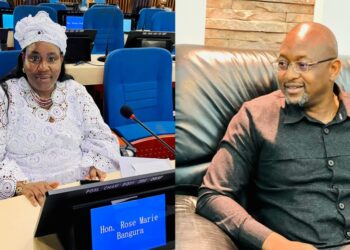



















































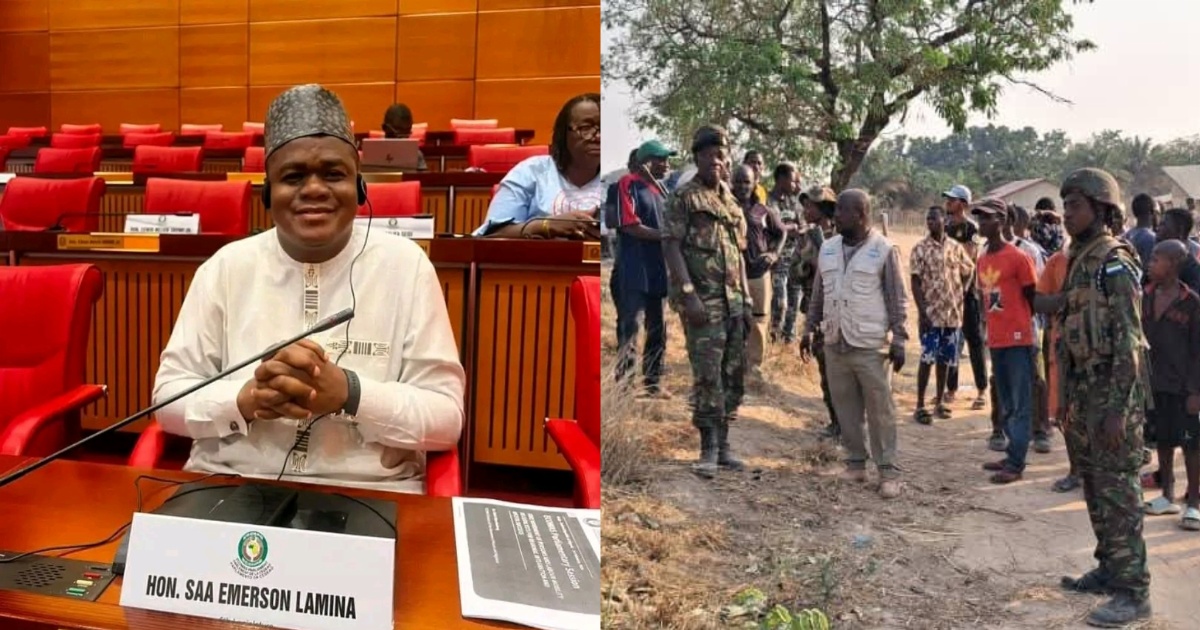
Abuja, Nigeria – February 25, 2026 – Sierra Leonean parliamentarian Hon. Saa Emerson Lamina has urged the ECOWAS Community Court of Justice to intervene in the escalating border dispute with Guinea, following an alleged incursion into Kaliyereh Village.
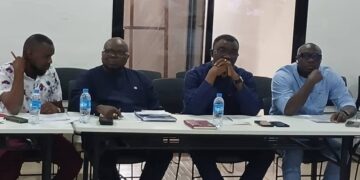
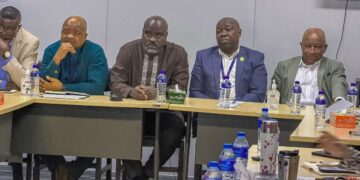
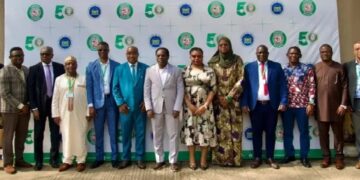
Speaking at an extraordinary session of the ECOWAS Parliament, Lamina highlighted the need for legal oversight to protect regional sovereignty amid ongoing tensions.
Lamina, invoking Article 4(d) of the ECOWAS Parliament’s mandate on peace and stability, reported that 13 Sierra Leonean armed forces personnel were detained by Guinean troops and taken to Conakry.
He emphasized that while ECOWAS’s free movement protocols foster integration, they must not compromise national borders. Citing historical disputes in Yenga and Gbane-Kandor, where colonial boundaries and geographical evidence favor Sierra Leone, Lamina advocated for military diplomacy over escalation but suggested the ECOWAS Court as a venue for binding resolution, echoing broader calls in the region for judicial involvement in such conflicts.
The incident unfolded on February 22, 2026, when Sierra Leonean forces were building a border post in Kaliyereh, Falaba District. Guinean military arrived, claiming territorial violation, and detained up to 16 soldiers along with police and equipment, according to varying reports.
Guinea’s defense ministry confirmed the apprehensions, stating the personnel entered their territory unauthorized and were handed to judicial police for investigation.
ECOWAS Parliament Speaker Memounatou Ibrahima responded by proposing a fact-finding committee to probe the claims, aligning with prior mediations like the 2025 Yenga mission. However, with disputes rooted in the 1991-2002 Sierra Leone civil war, when Guinean troops occupied border areas, experts suggest court involvement could provide clarity on colonial-era boundaries.
Sierra Leone’s government is pursuing diplomatic channels for the detainees’ release, while public voices, including online discussions, urge suing Guinea in international or ECOWAS courts.
This latest flare-up underscores challenges in West Africa’s border management, with ECOWAS balancing integration and security.
The court’s recent rulings on Guinea in human rights cases demonstrate its role in regional accountability, potentially extending to territorial matters.
As investigations proceed, both nations are encouraged to engage in dialogue to prevent further incidents.