














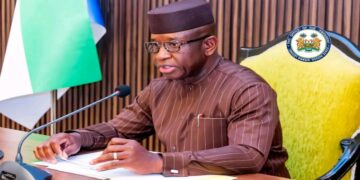

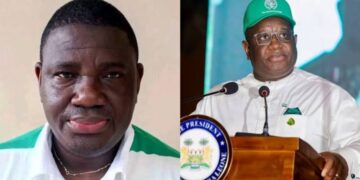



















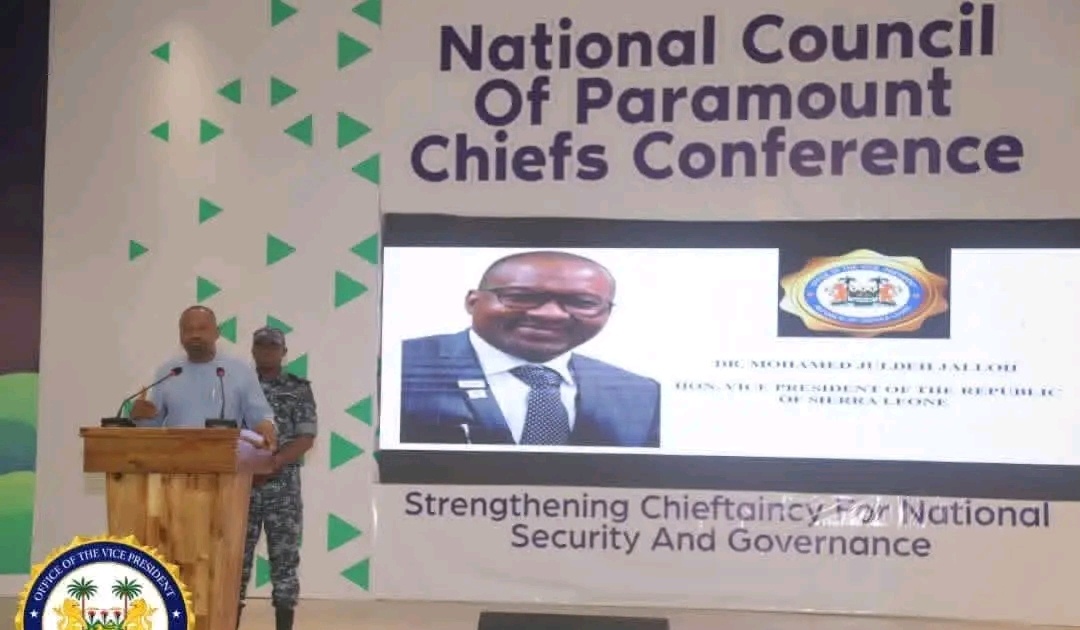
Freetown– Vice President Dr. Mohamed Juldeh Jalloh has described the Proportional Representation (PR) electoral system as one of the most widely accepted models worldwide, arguing that it promotes inclusive representation and ensures all segments of society have a voice in governance.
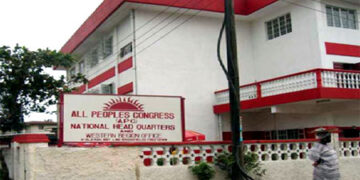
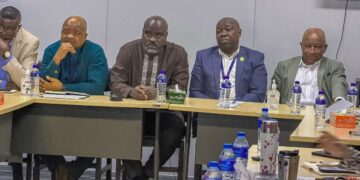
Speaking on the merits of PR during recent government engagements with the opposition All People’s Congress (APC) and international moral guarantors of the National Unity Agreement, the Vice President noted that countries adopt electoral systems best suited to their democratic needs.
He explained that globally, proportional representation remains a preferred choice because it broadens political participation and better reflects the diversity of the electorate.
Drawing on his experience working with United Nations electoral processes in 14 countries and providing technical support to Sierra Leone’s Chief Electoral Commissioner in 2002, Dr. Juldeh Jalloh emphasised that electoral systems should reflect a country’s social and political dynamics rather than the preferences of individual political parties.
He pointed out that PR is the most commonly used system in the West African sub-region and is often recommended by the United Nations and the European Union.
The Vice President further stated that the PR system is particularly effective in advancing women’s political participation, providing greater opportunities for women to secure elective positions.
He said it aligns with efforts to increase female representation in governance and fulfils commitments to inclusive leadership.
“The proportional representation system is the best-suited electoral system for guaranteeing women’s representation and ensuring inclusive representation,” he said.
Sierra Leone used a district-block PR system for the 2023 parliamentary and local council elections after a presidential decree shifted away from the first-past-the-post (FPTP) model previously in place since 2008. The change followed earlier uses of PR in the post-conflict elections of 1996 and 2002. The system allocates seats in multi-member districts based on parties’ share of the vote, using the largest remainder method with the Hare quota. Proponents argue it reduces wasted votes, lowers the risk of electoral violence associated with by-elections, cuts costs, and improves representation of women and smaller parties. Critics, including the APC, have preferred a return to FPTP, citing stronger constituent-MP links and concerns over party control of candidate lists.
The debate continues amid ongoing constitutional review processes and national dialogues on electoral reform stemming from the Tripartite Committee recommendations after the contested 2023 polls. Government officials have highlighted PR’s potential to foster national cohesion and democratic stability, while some civil society groups have called for broader consultation and clearer safeguards before any permanent adoption.
Dr. Juldeh Jalloh commended the Electoral Commission for Sierra Leone and all stakeholders involved in strengthening the country’s democratic processes.
He reaffirmed the Government’s commitment, under the leadership of President Dr. Julius Maada Bio, to promoting democratic governance, inclusion, and equal participation for all citizens.