



















































Dutch drug trafficker Jos Leijdekkers, better known as “Bolle Jos,” has been sentenced in absentia to 14 years in prison by a Belgian court for his leading role in the major Costa cocaine case — the heaviest sentence handed down on Thursday. Prosecutors had sought 15 years.
The ruling adds to a string of convictions that now total more than 100 years across Dutch and Belgian courts.
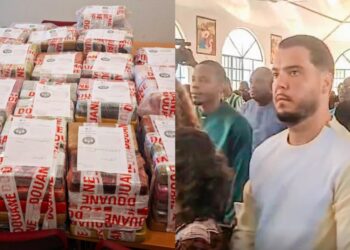
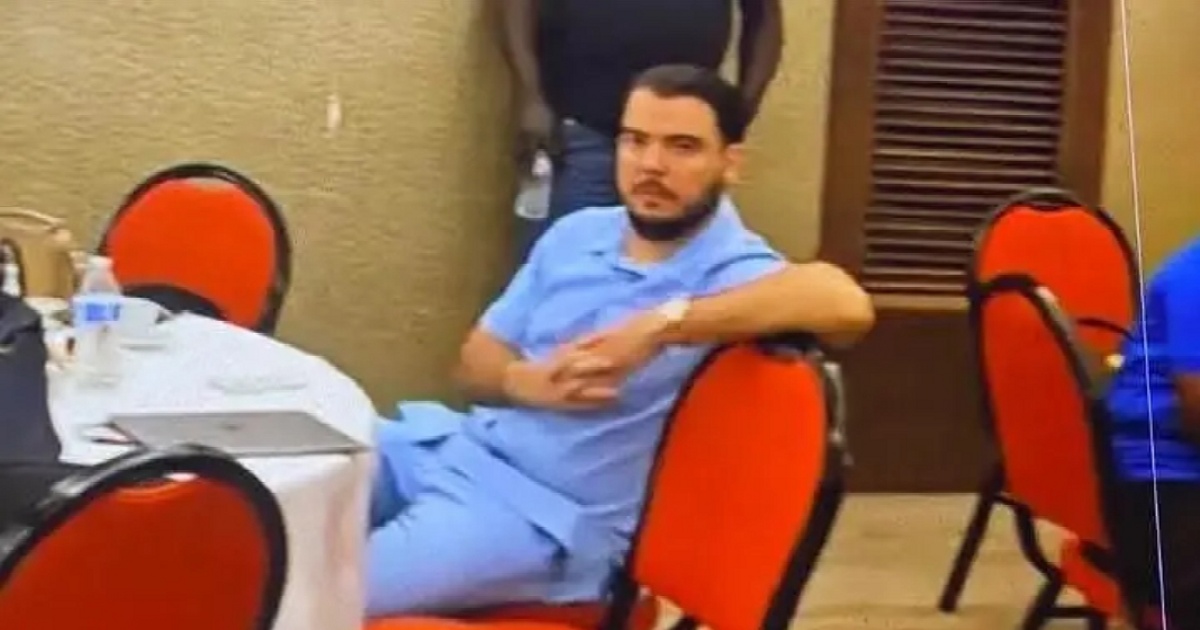
Leijdekkers, 35, born in Breda in the Netherlands, was not in court. Dutch and Belgian authorities say he has been living in Sierra Leone since at least mid-2024. He was spotted in January 2025 video footage from a New Year’s church service in Tihun, the hometown of President Julius Maada Bio, sitting near the president, First Lady Fatima Bio, and the president’s daughter Agnes Bio.
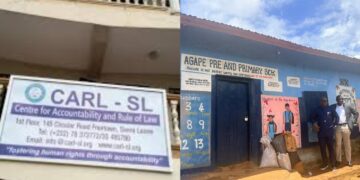
Multiple reports link him romantically to Agnes Bio, with some claiming the pair have a child together. He is said to use the alias “Omar Sheriff” and to enjoy high-level protection. After footage emerged of him presenting a gift to Sierra Leone’s then-head of immigration (in the presence of the head of drug enforcement), the immigration chief was dismissed. Journalists reporting on the case have described pressure, alleged bribe offers, and threats.
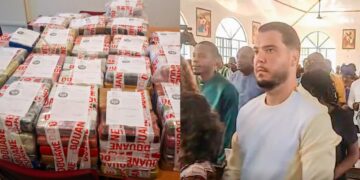
The Costa trial in Tongeren focused on large-scale cocaine smuggling through the port of Antwerp, much of it originating in Costa Rica, and the laundering of the proceeds. Prosecutors held the defendants responsible for at least 25 tonnes of cocaine with an estimated street value of €3.5 billion.
More than 50 people faced charges; prosecutors had sought a combined 451 years in prison. The court imposed more than 247 years in total and ordered the confiscation of over €68 million. Five defendants, including two lawyers, were acquitted.
Nathan Steveniers, described as a key figure in Leijdekkers’ organisation, received eight years. Other major figures got substantial terms: former gendarme Willy Van Mechelen nine years, his associate Tom Bastiaanse 12 years, and former motorcycle-gang member Geert Frisson 13 years. Those convicted have 30 days to appeal.
In the Netherlands, Leijdekkers was sentenced in 2024 to 24 years for organising cocaine shipments totalling around seven tonnes and for arranging a murder. Belgian courts have convicted him multiple times in his absence; those sentences, including the latest 14-year term, push his cumulative total well over 100 years. Dutch authorities are also seeking repayment of roughly €96 million in criminal proceeds.
The Netherlands formally requested his extradition from Sierra Leone in early 2025. There is no extradition treaty between the two countries, and Sierra Leonean officials have said any handover would require a court decision. Dutch efforts have included direct talks with Sierra Leone’s justice minister, approaches through neighbouring Ghana and Liberia, and discussion of cutting European Union development aid (Sierra Leone is allocated hundreds of millions of euros in the current cycle). A €200,000 reward remains on offer for information leading to his arrest, and he stays on Europol’s list of most-wanted criminals.
Despite the international pressure, Leijdekkers is reported to continue directing drug trafficking activities from Sierra Leone, including operations linked to seizures involving West African routes.