


















































Freetown, Sierra Leone – March 3, 2026 – The Sierra Leone Correctional Service (SLCS) has issued a firm rebuttal to a recent report by the Institute for Governance Reform (IGR), dismissing claims of mismanagement and irregularities in the procurement of rice for inmates as “untrue and inaccurate.”
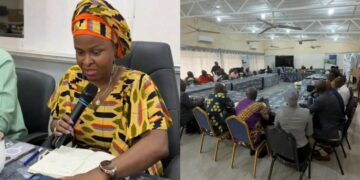
In a statement released on March 2 by Superintendent Nannah Sesay, the SLCS emphasized that all procurement processes adhere strictly to the Public Procurement Act and government financial regulations.
“The procurement and distribution of food supplies are subject to internal controls, monitoring mechanisms, and periodic audits to ensure accountability and efficiency,” the statement read.
The agency reiterated its statutory responsibility for inmate welfare, noting that feeding programs are designed to provide adequate and balanced nutrition in line with approved standards.
The IGR report, published in February 2026, analyzed 552 procurement contracts awarded between 2016 and 2023. It highlighted significant discrepancies, estimating that at least 80% of the NLe 211 million (approximately USD 17.8 million) spent on prison rice during that period may have been wasted or misallocated due to over-allocation and potential political influence.
According to the report, official records indicated that inmates were allocated between 4 and 15 cups of rice per day—far exceeding typical nutritional needs—which led to questions about the justification of such expenditures. The IGR suggested that reforming rice procurement could reduce waste, enhance nutritional standards, and bolster accountability within the system.
SLCS officials have reaffirmed their commitment to transparency, welcoming constructive dialogue with oversight bodies while urging stakeholders to interpret institutional data accurately to prevent public misinformation.
This response comes at a time of heightened scrutiny over prison management in Sierra Leone, where facilities like the notorious Pademba Road Prison in Freetown have long faced criticism for overcrowding and substandard conditions. Recent reports indicate that the country’s prison population has swelled to over 4,000 inmates, many in pre-trial detention, exacerbating resource strains.
Adding to the tensions, suppliers of rice and condiments to the SLCS have reportedly halted deliveries due to unpaid government debts, potentially impacting inmate feeding programs further. The SLCS has not directly addressed these supply issues in its statement but maintains that operations remain compliant with national laws and focused on safeguarding inmates’ rights and wellbeing.