





































Freetown, Sierra Leone / The Hague, Netherlands – The Dutch government has ramped up diplomatic efforts to secure the extradition of one of Europe’s most notorious drug traffickers, Jos Leijdekkers, also known as “Bolle Jos” or “Chubby Jos,” who is believed to be residing in Sierra Leone.
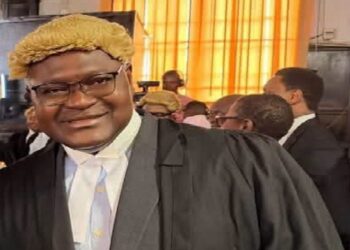
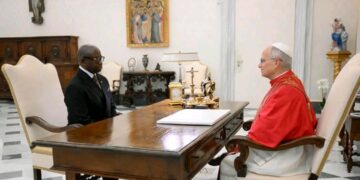
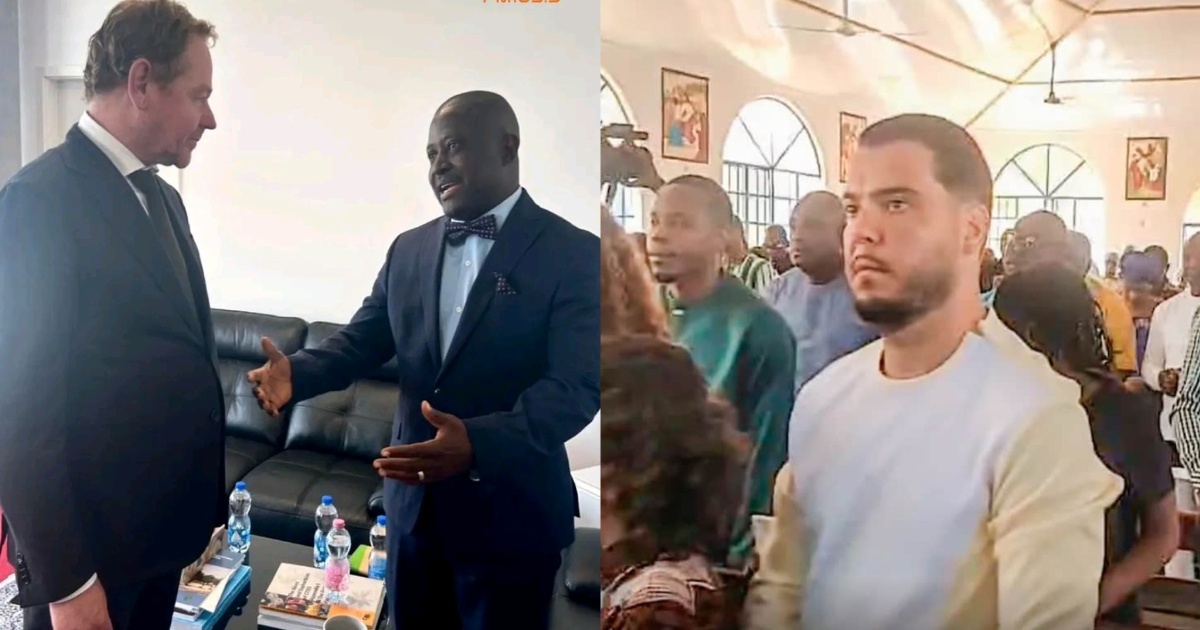
In a recent statement shared on X (formerly Twitter), Dutch Minister of Justice and Security David van Weel confirmed he had spoken directly with Sierra Leone’s Minister of Justice, Alpha Sesay, about the case. Van Weel emphasized that Dutch authorities have been pursuing Leijdekkers’ extradition for over a year, describing the need for greater urgency. “Time for more urgency. We never give up,” the minister declared.
Leijdekkers, a 33- or 34-year-old Dutch national originally from Breda, was sentenced in absentia to 24 years in prison by a Rotterdam court in June 2024 for organizing large-scale cocaine smuggling operations involving more than seven tonnes of the drug, along with charges including ordering a murder and an armed robbery.
He has also received additional sentences in Belgium, including a recent eight-year term (with prosecutors seeking 15 years in another case) for cocaine imports via Antwerp.
Dutch prosecutors have sought to confiscate a record amount of his assets, reportedly around $250–253 million in proceeds from drug trafficking, gold purchases, and other investments, marking one of the largest such cases in the Netherlands. He remains on Europol’s most-wanted list, with a significant reward offered for information leading to his arrest.
Alleged High-Level Ties in Sierra Leone
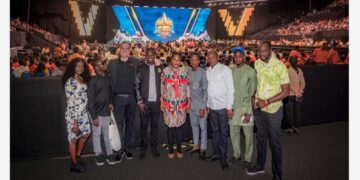
Leijdekkers is widely reported to have built significant connections in Sierra Leone, including rumored personal or business ties to the country’s elite. Reports suggest he may be engaged to or linked with the family of President Julius Maada Bio, and he has been spotted at public events, such as a New Year’s Day church service attended by high-level figures.
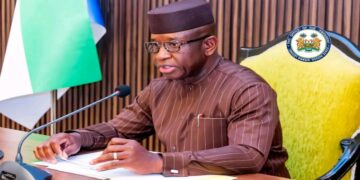
The Netherlands made its formal extradition request in February 2025. Dutch Prime Minister Dick Schoof personally raised the issue with President Bio during an EU-AU summit in Angola in late 2025. However, progress has been limited. Sierra Leone and the Netherlands lack an extradition treaty, and Sierra Leonean authorities have described the matter as under investigation while maintaining they have not located him under aliases like “Umar Sheriff.”
Attorney General Alpha Sesay has not issued a detailed public comment on the most recent discussions with Minister van Weel.
Broader Context and Challenges
The case has highlighted concerns about drug trafficking networks using West Africa as a base and potential protection for fugitives. Investigative journalists in Sierra Leone reporting on Leijdekkers’ presence and alleged ties have faced threats, harassment, and intimidation, raising alarms about press freedom.
Dutch officials view Leijdekkers as a central figure in international cocaine smuggling, with links to major shipments, including potential connections to multi-tonne interceptions. His continued freedom is seen as a threat to efforts against organized crime across Europe.
Without a treaty, extradition depends on Sierra Leone’s willingness to cooperate. Previous Dutch outreach, including planned ministerial visits to the region, has yielded limited results so far. The Dutch government continues to stress that Leijdekkers must face justice and that his network must be dismantled.
This ongoing diplomatic push underscores the complexities of international law enforcement cooperation against high-profile fugitives in regions without formal extradition frameworks.