


























































Freetown, Sierra Leone – January 9, 2026 – The National Public Health Agency (NPHIA) and the Ministry of Health (MOIH) have officially confirmed an ongoing outbreak of cutaneous ulcers caused by the bacterium Haemophilus ducreyi in Bombali District, Northern Province.
The announcement came in a press release issued today, highlighting that the outbreak primarily affects children and has spread across multiple communities.
The outbreak was first detected on November 17, 2025, in the Kayassie Community within Safrko Limba Chiefdom. Since then, it has extended to 27 communities in the chiefdom. Laboratory testing has confirmed Haemophilus ducreyi as the causative agent. As of December 24, 2025, health authorities have recorded hundreds of cases, with active follow-up ongoing for 211 identified contacts.
Key details from the outbreak include:
– A total of 267 suspected cases have been investigated.
– Approximately 150 individuals have already recovered.
– No deaths have been reported.
– No severe cases have required hospitalization.
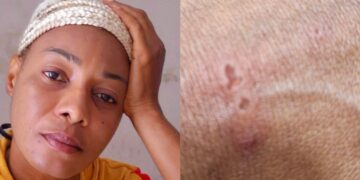
The majority of affected individuals are children aged 5-15 years, with males accounting for about 56% of cases. Symptoms typically involve painful, slow-healing skin ulcers primarily on the extremities (such as legs and arms), often accompanied by regional lymph node swelling and mild constitutional symptoms.
Haemophilus ducreyi is traditionally known as the cause of chancroid, a sexually transmitted infection leading to genital ulcers. However, in recent years, research across yaws-endemic regions in Africa and the Pacific has identified it as a significant cause of non-sexually transmitted cutaneous ulcers in children, often resembling yaws or other tropical skin infections. These ulcers are typically acquired through skin-to-skin contact or environmental exposure in resource-limited settings with poor hygiene.
Public Health Response and Recommendations
The NPHIA has activated comprehensive response measures, including:
– Enhanced surveillance and laboratory testing.
– Community-based case management and clinical care at local health facilities.
– Infection prevention and control (IPC) activities, such as training healthcare workers and communities in hand hygiene, proper wound care, safe medical waste handling, environmental decontamination, and patient isolation when needed.
The agencies are urging the public to:
– Immediately report any suspicious skin lesions to the nearest health facility.
– Avoid sharing personal items like towels or clothing.
– Practice rigorous handwashing and keep wounds clean.
– Follow all guidance from healthcare workers and community health volunteers.
Authorities have reassured the public that the outbreak is under control, with no severe complications reported so far. Continued vigilance, timely reporting, and community cooperation are essential to prevent further spread.
Regular updates will be provided as the situation evolves. For more information, contact the NPHIA or the Ministry of Health using the details in the official release.
This outbreak underscores the importance of addressing skin infections in tropical settings, where multiple pathogens can cause similar lesions, and highlights ongoing efforts to strengthen public health systems in Sierra Leone.