



































The Sierra Leone Correctional Service is placing education and job-ready skills at the heart of its rehabilitation programme, aiming to give people in custody a real chance to rebuild their lives after release.
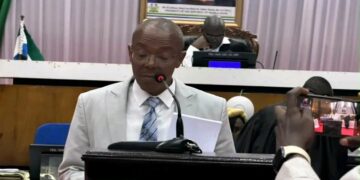
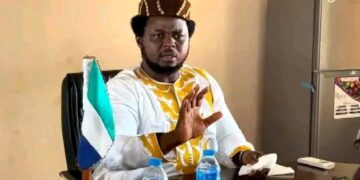
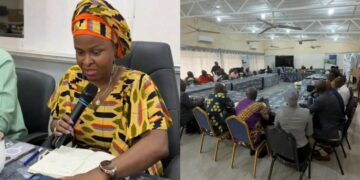
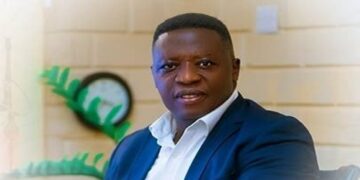
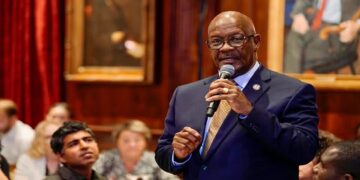
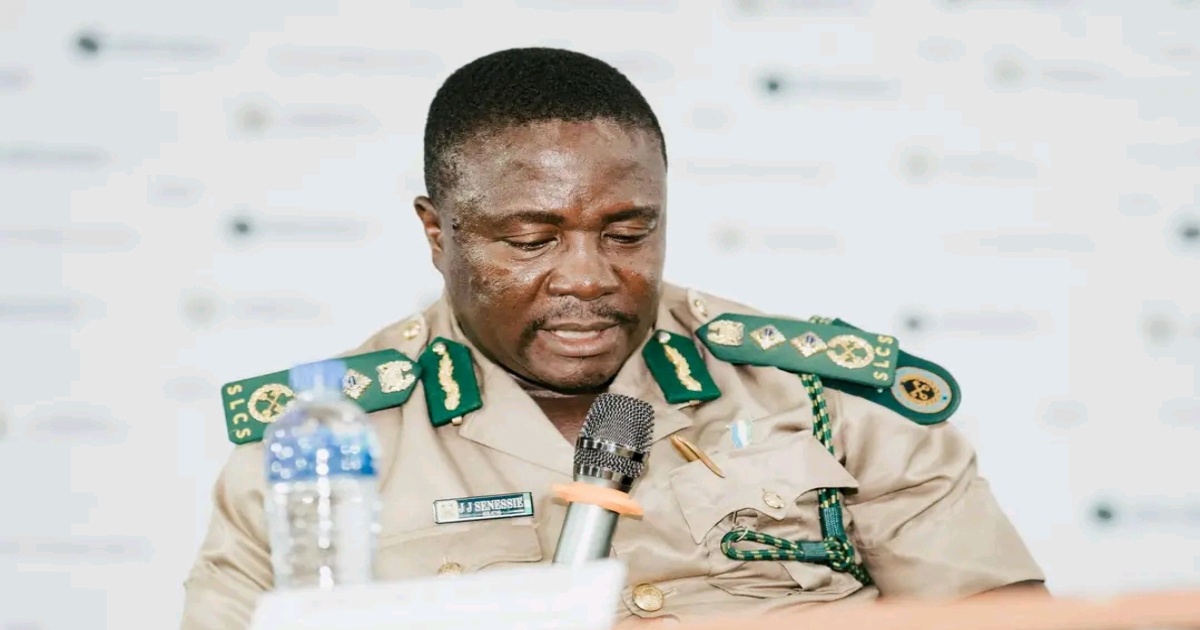
Director General Joseph J. Senessie made the announcement on Tuesday, 1 September 2026, during the Government’s Weekly Press Conference at the Miatta Civic Centre in Freetown. The session, hosted by Information and Civic Education Minister Chernor Bah, examined how the Fire Force, Correctional Service and Police are working to improve the experiences of ordinary citizens.
Senessie explained that the Service’s transformation from the old prison system in 2014 shifted the focus from pure punishment to a balanced approach of secure custody, rehabilitation and successful reintegration. A major part of that effort, he said, is ensuring that people serving time do not leave empty-handed.
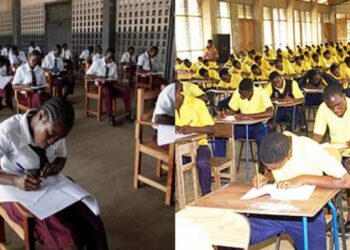
Talks are already under way with universities, including the University of Sierra Leone and the University of Makeni (Unimak), to create structured learning opportunities inside correctional facilities. The goal is to allow eligible individuals, especially those serving long sentences to pursue formal education and earn recognised qualifications while still in custody.
Alongside academic programmes, the Service is expanding vocational and practical training. Senessie stressed that inmates should leave with concrete skills that can help them find work, start small businesses, support their families and contribute positively to their communities. “
We want people to return to society with the knowledge, skills and confidence needed to rebuild their lives,” he said.
The Director General also reaffirmed the Service’s commitment to humane treatment, human rights and proper welfare standards. Engagement with human rights organisations and monitoring groups continues to strengthen transparency and accountability inside facilities.
On the operational front, efforts are being made to improve record management through electronic systems and modern technology, including the possible use of artificial intelligence. These upgrades are expected to support better access to justice and help address overcrowding.
Senessie pointed to lessons from countries such as Kenya as the Service builds a modern correctional system that protects the public while offering genuine second chances. By prioritising education and employable skills, he said, the Correctional Service aims to ensure that every person who passes through its gates leaves better prepared to become a productive and peaceful citizen.