






























Ghana’s Narcotics Control Commission (NACOC) has arrested three suspects accused of representing and facilitating the activities of Dutch fugitive Jos Leijdekkers, known as “Bolle Jos,” in Ghana.
The move follows a major cocaine seizure by French customs and forms part of wider efforts to disrupt a network that authorities and investigators have repeatedly linked to operations involving Sierra Leone.
In a statement dated 14 September 2026 and signed by Acting Director of Public Affairs and International Relations PNCO Francis Opoku Amoah, NACOC said the three suspects are in its custody and are assisting investigators examining their alleged roles in the trafficking.
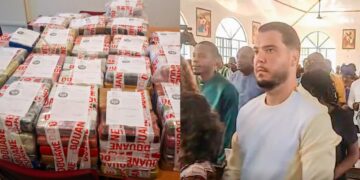
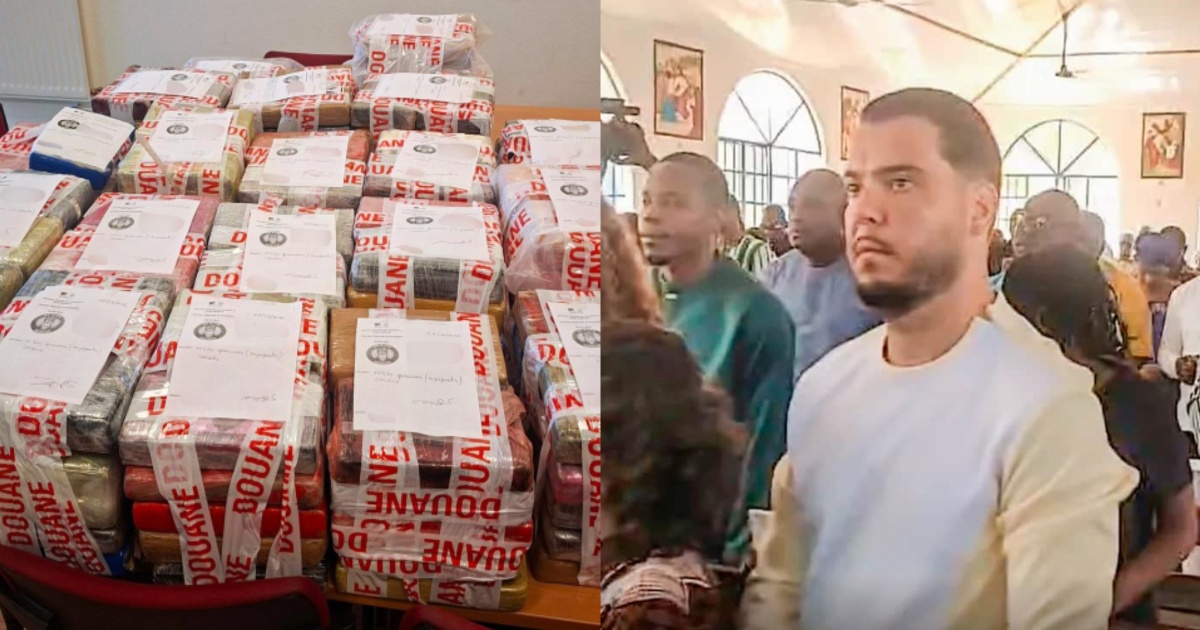
The arrests came after French customs seized a cocaine shipment allegedly tied to a broader network. Reports indicate the interception involved roughly 3.9 tonnes (nearly 4,000 kg) of cocaine hidden in a container of plastic waste originating from Ghana. The drugs were discovered at the port of Dunkirk and were reportedly destined for further transport toward the Netherlands (with a business address in Dordrecht mentioned in some accounts). The consignment has been valued at around €225 million (approximately $260 million) on the street.
NACOC stated that the action reaffirms Ghana’s resolve that the country “will not be a safe haven, transit point or operational base for international drug-trafficking organisations.”
The Commission said it would continue cooperating with domestic and international partners to disrupt the people, finances and infrastructure behind the illicit trade while protecting the rights of those under investigation.
Background on Bolle Jos and regional links
Jos Leijdekkers (born 1991), commonly known as Bolle Jos, is a high-profile Dutch fugitive wanted for large-scale cocaine trafficking, violent crimes and related offences. He has been convicted in absentia in the Netherlands and Belgium, facing lengthy cumulative sentences (reports cite terms including 24 years in the Netherlands and additional multi-year terms in Belgium, with overall figures sometimes placed around 80 years when combined). He appears on Dutch and EU most-wanted lists.
Investigators and reporting have placed Leijdekkers in Sierra Leone since around 2022. Dutch authorities and media have reported that he has lived there under protection, with alleged close ties to the family of President Julius Maada Bio—including claims of a relationship with the president’s daughter Agnes Bio and, in some accounts, a child. Video footage from a New Year church service in 2025 reportedly showed him near members of the presidential family, intensifying international scrutiny. Sierra Leonean authorities have faced repeated Dutch extradition pressure; the Netherlands has formally requested his return, and Dutch Justice Minister David van Weel has publicly pressed the issue, prompting accusations of neo-colonialism from Sierra Leonean officials in response.
Leijdekkers’ network has been linked by investigators (including a Global Initiative Against Transnational Organized Crime report) to major West African cocaine shipments. One high-profile case involved a record seizure of more than 30 tonnes of cocaine from the cargo ship Arconian off the Canary Islands/Western Sahara area in May 2026; evidence pointed to the drugs having been loaded in Sierra Leone before the vessel waited for smaller boats to offload portions at sea. Earlier cases have also connected shipments involving Sierra Leonean ports or origins to the same network.
Dutch media have named one of the three arrested in Ghana as Desmond C. (34), described as an Amsterdam-born individual of Ghanaian background who has appeared alongside Leijdekkers in prior investigations over roughly a decade and is characterised as a business partner. This has not been independently confirmed in official Ghanaian statements.
Wider context for West Africa and Sierra Leone
The Ghana arrests and the French seizure add to a series of large cocaine interceptions involving West African routes. Trafficking networks have increasingly used the region as a transit and logistics hub for South American cocaine heading to Europe, exploiting ports, coastal waters and sometimes weak institutional controls. Sierra Leone has come under particular international focus because of Leijdekkers’ reported presence and the alleged use of its territory or nearby waters in major shipments.
Dutch authorities have sought cooperation from neighbouring countries, including Ghana and Liberia, while continuing to press Freetown. Meanwhile, Ghana’s own political opposition has called for parliamentary inquiries into the country’s role as a transit point amid a string of high-value seizures.
NACOC’s action underscores regional law-enforcement efforts to close down facilitation networks even as the central figure remains at large. Investigations into the precise roles of the three Ghanaian suspects, the full scope of the Dunkirk shipment, and any further connections to Sierra Leone-based logistics are ongoing. Authorities on all sides stress that legal protections for those under investigation will be observed.
The developments highlight the transnational nature of the cocaine trade and the persistent challenges West African states face in preventing their territories from being used by international organised crime groups.