
























































Sierra Leoneans can now visit Jamaica without a visa, following a significant policy shift by the Caribbean nation that extends visa-free access to citizens of Sierra Leone and 15 other African countries.
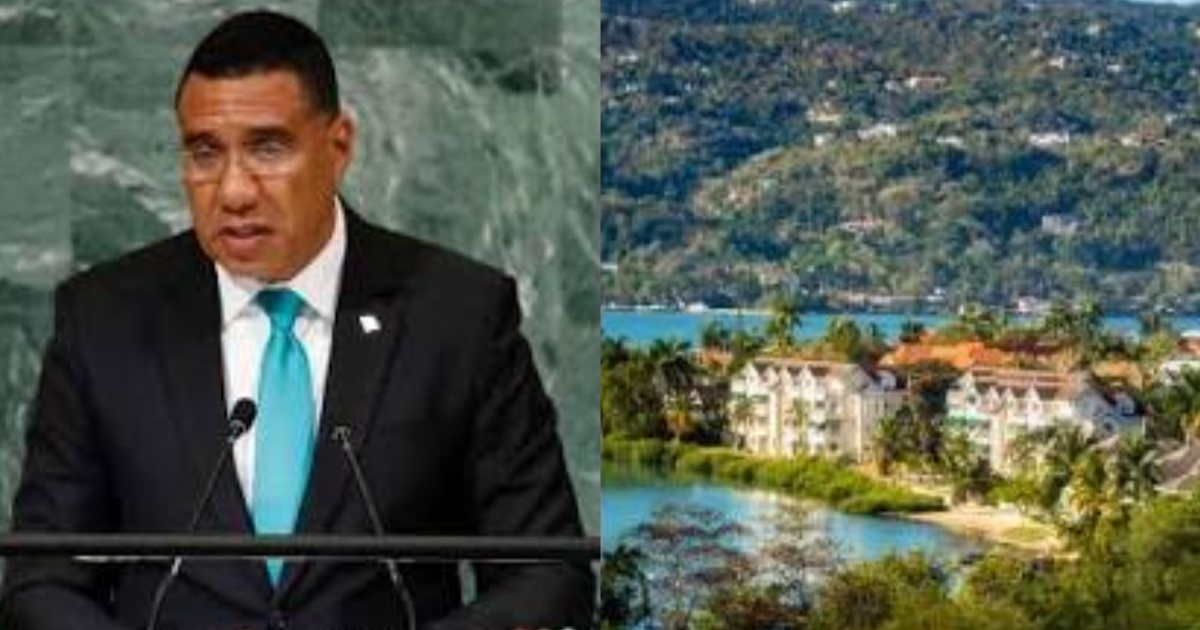
The decision, confirmed by Jamaica’s Passport, Immigration and Citizenship Agency, has been championed under Prime Minister Andrew Holness and is being welcomed as a major step toward stronger people-to-people ties between Africa and the Caribbean.
Sierra Leone’s Minister of Tourism and Cultural Affairs, Nabeela Farida Tunis, described the development as a game-changer for the country’s tourism industry.
“This goes far beyond simplifying travel,” Minister Tunis said. “It opens new avenues for cultural exchange and firmly establishes Sierra Leone as an attractive destination on the global stage.”
Officials anticipate the policy will make it easier for tourists, artists, and cultural envoys to travel between the two nations, giving Sierra Leone’s tourism sector a competitive edge. Major events such as the One Nation Reggae Festival are expected to draw greater interest and participation as a result.
The arrangement is reciprocal: Jamaican passport holders have long enjoyed visa-free entry to Sierra Leone, provided they carry a valid passport, proof of sufficient funds, and a return ticket. This mutual openness highlights the growing bilateral relationship.
The move also carries deep historical and emotional resonance. Bunce Island, a former slave trading post in Sierra Leone, serves as a poignant link for many Jamaicans seeking to trace their African ancestry. Authorities believe the visa-free policy will boost heritage tourism and further reconnect diaspora communities.
In the realm of arts and music, the agreement is seen as fertile ground for collaboration. With reggae’s African origins resonating strongly in contemporary Sierra Leonean sounds, joint projects between musicians from both countries are likely to increase, celebrating shared stories of resilience and identity.
The relationship between Sierra Leone and Jamaica has long been rooted in common history and cultural solidarity. Recent high-level talks have emphasized sustainable tourism, structured cultural programs, and using travel as a driver for economic opportunity and mutual understanding.
For Sierra Leone, the policy represents a meaningful stride in building international partnerships that honor heritage, foster creativity, and support inclusive growth.