
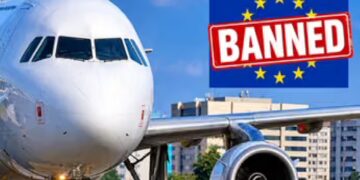

























































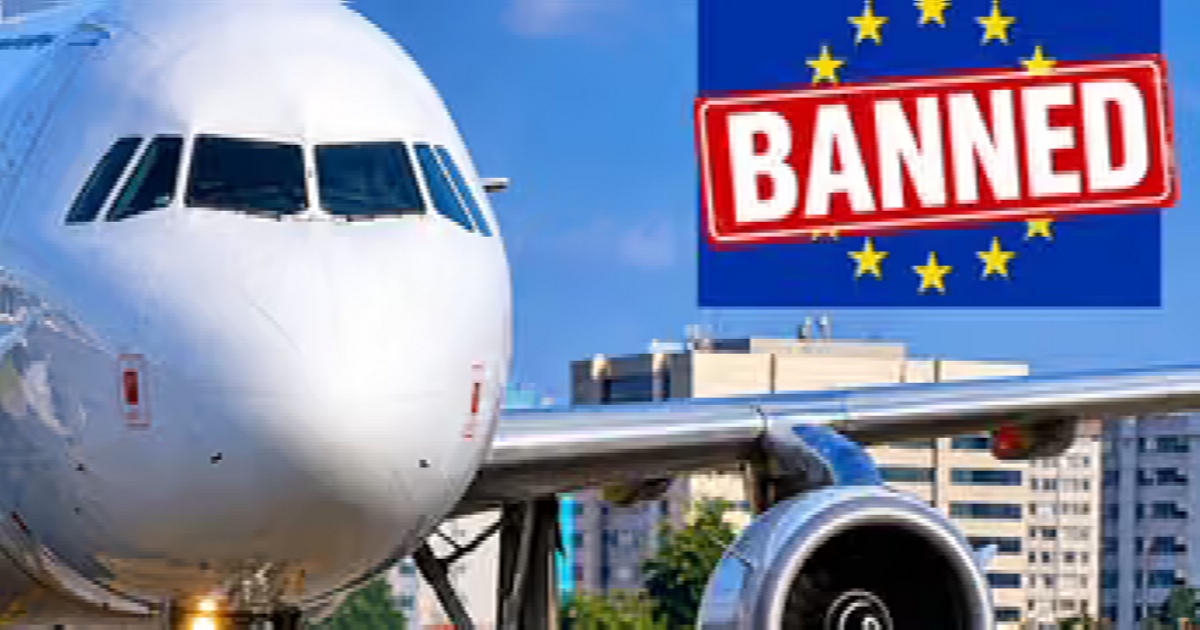
Freetown – Sierra Leone continues to face a blanket ban preventing any airline certified by its civil aviation authorities from operating in European Union airspace, according to the European Commission’s latest update to the EU Air Safety List.
The restrictions apply to 12 African countries whose aviation regulators have been assessed as unable to provide adequate safety oversight. These are Angola, Congo (Brazzaville), the Democratic Republic of the Congo, Djibouti, Equatorial Guinea, Eritrea, Liberia, Libya, São Tomé and Príncipe, Sierra Leone, Sudan and Tanzania.
Across 10 of these countries, 87 airlines are named individually on the list. Tanzania accounts for the largest number with 34 carriers, followed by the Democratic Republic of the Congo (13), Sudan (12) and Libya (10). Liberia and Sierra Leone are subject to full country-wide restrictions even though no individual Sierra Leonean or Liberian airlines are named in the document.
Airlines certified in the affected countries are barred from flying to, from or within the EU. Angola is the exception within the group, with TAAG Angola Airlines and Heli Malongo permitted to operate in European airspace.
The ban does not mean every airline in these countries has failed individual safety checks. The EU imposes blanket restrictions when a country’s aviation authority cannot demonstrate that it adequately oversees carriers under its responsibility. This is why Sierra Leone and Liberia appear on the list without named operators.
Globally, the June 2026 update of the list covered 154 airlines from 16 countries, of which 126 were affected by inadequate national aviation oversight.
Implications for Sierra Leone
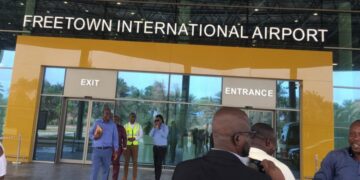
Sierra Leone has been on the EU Air Safety List since 2008. The restriction raises insurance costs for flights into the country and limits the ability of locally certified airlines to serve European destinations directly. It does not prevent foreign airlines that hold approved certificates from operating to Freetown International Airport.
The national carrier, Air Sierra Leone, has sought to navigate the restriction by using Air Operator Certificates issued by other authorities for some of its routes. Local reports indicate the airline has faced delays in fully resuming commercial operations after suspending flights earlier in 2026.
The Sierra Leone Civil Aviation Authority (SLCAA) has for several years pursued a formal roadmap with the European Commission aimed at removal from the list. This has included capacity-building support, technical assistance missions, and efforts to strengthen regulatory oversight, aircraft registration processes and the issuance of Air Operator Certificates. Progress has been reported in meetings with EU officials and through collaboration with partners such as the African Civil Aviation Commission, though the country remains listed as of the most recent update.
Airlines or national authorities can apply for removal by demonstrating compliance with International Civil Aviation Organization (ICAO) safety standards. The EU also permits certain limited operations through wet-leasing arrangements involving carriers that already meet its requirements.
For Sierra Leonean travellers and the country’s aviation sector, the continued presence on the list underscores the importance of sustained regulatory reforms. Successful removal would ease insurance burdens, open opportunities for direct European services by locally certified operators, and support tourism and trade links. Until then, passengers flying between Sierra Leone and Europe will continue to rely on airlines certified outside the restricted jurisdictions.